2025-10-16 17:25
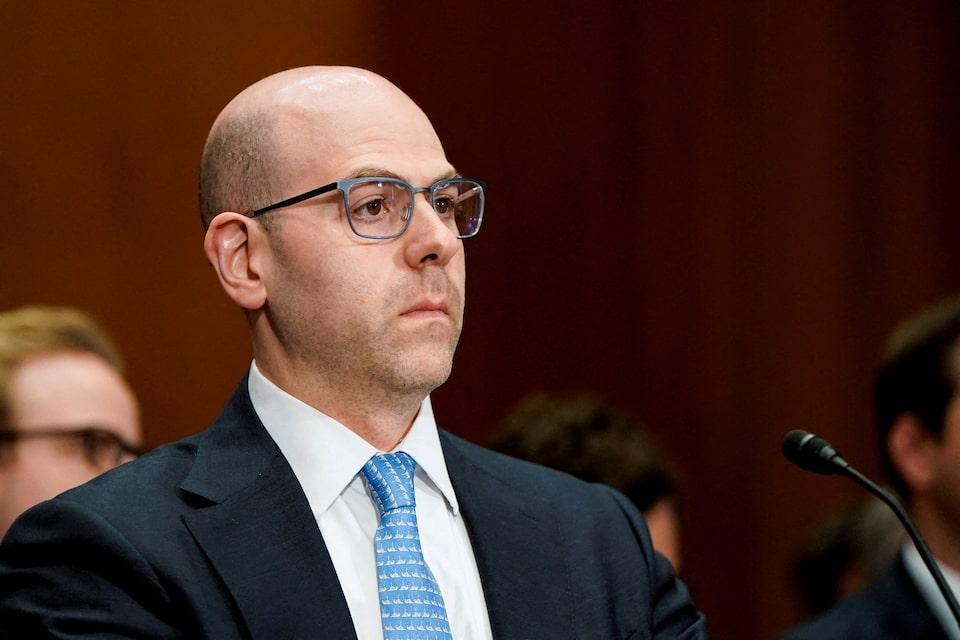
WASHINGTON, Oct 16 (Reuters) - The Group of 20 (G20) Finance Ministers and Central Bank Governors concluded their fourth meeting under the South African Presidency in Washington, issuing a Chair Summary instead of a formal communique. The summary has become a feature of multilateral meetings in which participants do not reach a formal consensus. Sign up here. It underscored the resilience of the global economy while identifying key risks, including geopolitical tensions, supply chain disruptions, elevated debt levels, and severe weather events. South Africa had hoped to make the G20 a platform for putting pressure on rich countries and this summary emphasised the need to address excessive imbalances. "Given the challenges of high public debt and fiscal pressures, members acknowledged the importance of pursuing growth-oriented macroeconomic policies to enhance long-term growth potential," the statement said. The group highlighted the need for strengthening multilateral coordination to address risks to the global economy and recognized the necessity for reforms at multilateral development banks to boost lending capacity while giving developing countries a greater voice in decision-making processes. Debt transparency was also a recurring theme, with members calling for enhanced disclosures from all stakeholders, including private creditors. https://www.reuters.com/world/china/g20-issues-chair-summary-highlighting-global-economic-risks-policy-commitments-2025-10-16/

2025-10-16 16:45
PARIS/LONDON, Oct 16 (Reuters) - There are "significant gaps" in countries' attempts to regulate fast-growing crypto markets, which could potentially harm financial stability, the G20's risk watchdog warned on Thursday. The Financial Stability Board (FSB), a body founded in the aftermath of the global financial crisis, made a series of recommendations on rules for crypto in 2023, to try to bring it in line with the mainstream financial sector. Sign up here. In Thursday's review, it said while some progress had been made, international implementation and coordination of rules remained too "fragmented, inconsistent, and insufficient to address the global nature of crypto-asset markets". Financial stability risks remain "limited at present" it assessed, but they are now rising with the surge in bitcoin and other cryptocurrencies having doubled the value of the global crypto market to $4 trillion over the last year. "This is consequential," FSB secretary general John Schindler told Reuters, describing the concerns raised in the review. "These crypto assets can move across borders very easily, much more easily than other financial assets." STABLECOIN RULES LACKING This year's surge in the value of the crypto market has come against a backdrop of U.S. President Donald Trump's pro-crypto stance. Schindler said there was a need for close monitoring as crypto becomes increasingly connected with the traditional financial system and stablecoins - cryptocurrencies pegged to the dollar for the most part - become more widely used. One of the key concerns flagged by the FSB's report was that hardly any countries have complete regulatory frameworks for stablecoins yet. While still small in comparison to the bitcoin-dominated cryptocurrency markets, the market for stablecoins has grown by almost three-quarters over the last year to just under $290 billion, a trajectory expected to continue with U.S. rules on them now in place The FSB's report reviewed 29 jurisdictions' implementation of crypto and stablecoin recommendations, including the U.S., EU, Hong Kong and the UK, although the U.S. only participated in the stablecoin aspect. El Salvador, where the world's largest stablecoin, Tether, is based did not take part, however. Schindler said the latest review had still been worthwhile even without El Salvador's input given the FSB was already aware of the risks, but stressed the need for better global cooperation and coordination from all jurisdictions going forward. "We can all put in place frameworks, but if there are people who are not cooperating and helping each other, it's just going to be really challenging because these things just they don't observe borders," he said. RISKS 'LIMITED AT PRESENT' BUT GROWING Global rulemakers were jolted in action by the collapse of crypto exchange FTX and demise of TerraUSD/Luna coins in 2022. There has been major jitters over the last week too, with the largest crypto crash in history on Friday triggering almost $20 billion of liquidations in the market. The FSB's report laid out a list of eight recommendations for jurisdictions to speed up the implementation of comprehensive and globally consistent rules and for better cross-border cooperation and coordination. They follow similar concerns raised by the European Union's securities watchdog in April that even small markets can be the source of bigger problems in the financial system. Even if countries have their own regulatory regimes, they can still be impacted by the activities of crypto companies who are headquartered offshore, Schindler said. https://www.reuters.com/sustainability/boards-policy-regulation/g20-risk-watchdog-warns-significant-gaps-global-crypto-rules-2025-10-16/

2025-10-16 15:13
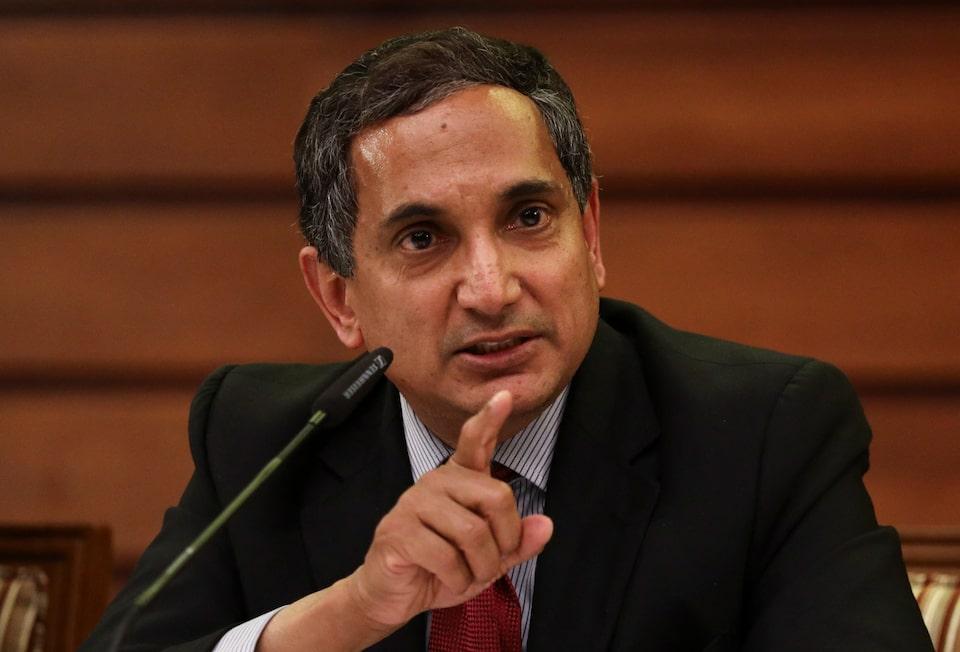
WASHINGTON, Oct 16 (Reuters) - China has scope to ramp up fiscal stimulus, but should shift the focus of spending away from industrial policy and toward steps to boost consumption, a senior International Monetary Fund official said on Thursday. The Chinese economy remained resilient despite higher U.S. tariffs due to strong exports, though growth is likely to moderate to 4.2% next year from 4.8% in 2025, said Krishna Srinivasan, director of the IMF's Asia and Pacific Department. Sign up here. "Uncertainty remains high. Deflation pressures persist in China," Srinivasan said in a press conference during the IMF and World Bank annual meetings in Washington. "Near-term, China has fiscal space to provide more support to the economy," though the key would be to rebalance its economy from a model reliant on external demand toward one that focuses more on achieving consumption-led growth, he said. "That's the policy package we are advocating," Srinivasan said. While China's exports are performing well, pivoting toward a more consumption-led growth model is "important both for itself and the rest of the world," he added. The priority would be to fix China's lingering real estate problem, which has dampened consumer confidence and household spending, Srinivasan said. "It's important to make sure that the housing crisis is fixed in a durable way through comprehensive policies that will help boost consumption," he said. China should also take comprehensive measures to improve its social safety net and revitalize its services sector, Srinivasan said. "An area where China can do a lot more is services. I think that has not been exploited enough, so services-sector emphasis would generate lots of dividends for China," he said. https://www.reuters.com/world/asia-pacific/imf-official-urges-china-shift-fiscal-focus-away-industrial-policy-2025-10-16/
2025-10-16 14:07
French government latest to delay pension reform Governments yielding to older voters Market pressure often needed for reforms FRANKFURT, Oct 16 (Reuters) - France's political standoff shows how European governments, caught between the demands of their ageing electorates and the need to keep spending in check, keep struggling to fix the pension-shaped holes in their budgets. The right to a pension has been a central plank of the European social contract for decades. But longer life spans and fewer births mean most governments can't afford to have people retiring on a full pension in their early 60s, as was once the norm. Sign up here. Selling this fact to voters and getting the buy-in from parliaments has been supremely difficult, however, as numerous mass protests and coalition rows have shown over the years. France provided the latest and perhaps most extreme example this week, when the government was forced to delay plans to raise one of the lowest retirement ages in the European Union, currently set at just 62 years old. But the list is long, with initiatives to increase the pension age or cap benefits failing or even being reversed in neighbouring Germany, Spain and Italy, among other countries. The reason is simple: With the median European voter now in their mid-40s, governments have too much to lose if they penalise the older generation in favour of the young -- even if that means simply postponing the day of reckoning. Javier Díaz-Giménez, an economics professor at IESE Business School who specialises in savings and pensions, described this as "a demographic capture of democracies" in an interview. "Old people will always...completely block any reform that does not guarantee that they're going to receive whatever pension was promised to them," he said. It can be done, however, as the Dutch have shown with carefully crafted and hard-won legislation. REFORM USUALLY ONLY PASSED UNDER DURESS Where pension reforms were implemented, such as in Greece, Portugal, Italy and Spain in the last decade or in Sweden in the 1990s, it was often under extreme duress from financial markets or international lenders. In an illustration of the emotional charge behind such reforms, Italian labour minister Elsa Fornero was reduced to tears in 2011 as she raised the minimum retirement age and scrapped annual inflation adjustments for many pensions. Today, Fornero says she had no choice given a spiralling selloff on Italian government bonds, part of a broader debt crisis that almost brought down the euro. "It's like asking a firefighter if they are sorry for damaging something with the water they used to put out a fire," she told Reuters. "We didn't carry out the reform to punish anyone but because the financial world on which Italy depended wanted to see serious and immediate reform." Indeed, an academic study , opens new tab of major pension reforms in the EU between 2006 and 2015 found that governments tend to find the courage to overhaul their pension systems only when they come under market pressure. This may still be lacking in France, where the government is paying a modest 80 basis-point premium over safe-haven Germany to borrow on the bond market. Italy was paying some 500 basis points at the height of the euro crisis. "If the market pressure is small in France, we can expect a less incisive reform," Mattia Guidi, a professor at the University of Siena who co-authored the study, said in an interview. WATERING DOWN - THE NEXT THREAT Crisis-era pension reforms in Greece, Italy, Portugal and Spain have been credited with putting their countries' public finances on a more sustainable path. Even that is no guarantee that the reforms will survive, however, or at least not in full. Italy and Spain have suspended or watered down parts of their respective reforms in successive steps after the crisis was over. Even Portugal and Greece, which slashed pension entitlements in return for bailouts last decade, have since increased benefits and are considering further hikes. For Joao Silva, co-editor of a report on pensions for non-profit organisation the European Youth Parliament, this was inevitable as the reforms were pushed through despite the electorate's opposition rather than with its backing. "If you can't build a large consensus on a political and economic formula, it is simply not going to stick," Silva said. Reform momentum has also waned in Germany, Ireland and Britain, which has not dared touch the generosity of its so-called triple lock mechanism for calculating increases in the value of the pensions. Fornero, the former Italian minister, also stressed the need for building popular support, arguing that French President Emmanuel Macron should have done a better job at convincing his own electorate that a change was needed. "Macron has lost touch with his citizens," she said. "An increase of only two years...would have been acceptable if explained well. But the reform has become a scapegoat." Some countries, however, seem to have found a way through. A Dutch reform to switch to a defined contribution scheme, which does not offer a guaranteed payout and instead depends on the size of the pot an employee builds up over their career, was approved with broad support after a decade of negotiations. A major financial crisis jolted Sweden into passing a similar reform in the 1990s. While unpopular at the time, the change is now looked back on as having been vital for the country's economic well-being. https://www.reuters.com/business/finance/why-europe-cant-face-its-pension-black-hole-2025-10-16/

2025-10-16 13:58
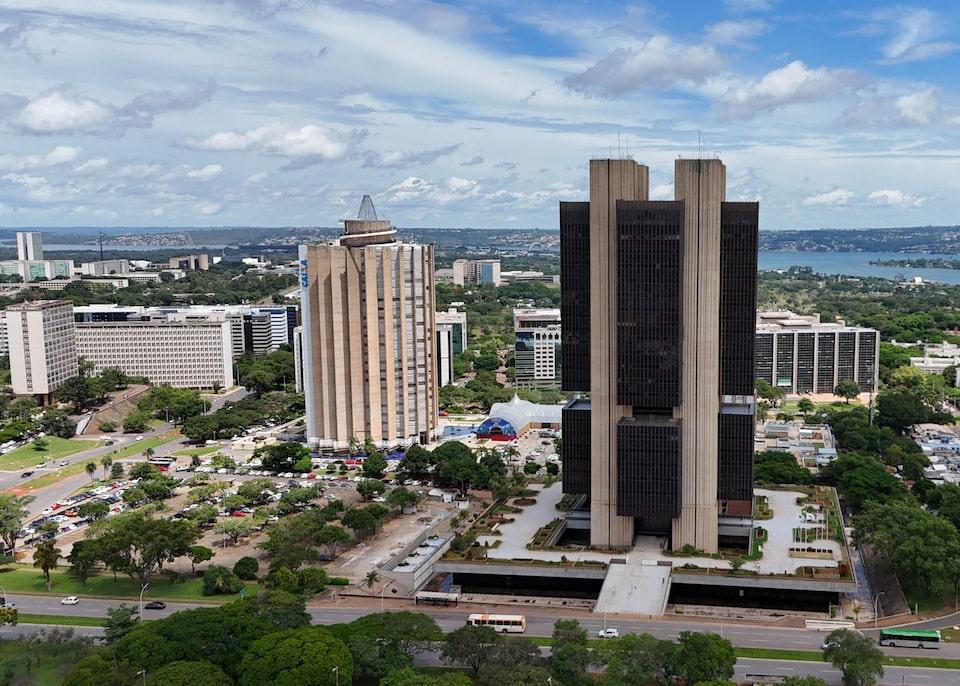
Oct 16 (Reuters) - Brazil's central bank monetary policy director Nilton David said on Thursday that policymakers believe interest rates should remain at 15% for a very prolonged period until they are convinced that economic data are converging to desired levels. After August economic activity data came in weaker than expected, David told an event hosted by UBS BB in Washington that the bank is watching every piece of data but will not react to any single indicator, focusing instead on the aggregate picture. Sign up here. He said current data remain broadly in line with policymakers' expectations as they work to bring inflation down to the 3% target, a task that requires growth in Latin America's largest economy to run within, not above, its potential. "We believe we are tighter than in previous cycles," David said. "And we want to remain such, so we can actually gather the data and see the lagging effects of (monetary tightening) on the economy," he added. David noted that "little things pile up," indicating the economy is still expanding, but policymakers are now seeing signs that "some sectors are starting to tame a little bit." Amid uncertainty linked to next year's general elections and the possibility of President Luiz Inacio Lula da Silva introducing demand-boosting measures in his quest for reelection, David said the central bank neither takes into consideration nor speculates about what is going to happen. He added that such perceptions tend to be reflected in the central bank's weekly survey of economists, which continues to show inflation expectations above target, something he partly attributed to fiscal concerns. https://www.reuters.com/world/americas/brazil-interest-rates-must-stay-hold-until-data-converge-says-cenbank-director-2025-10-16/
2025-10-16 13:54
Oct 16 (Reuters) - To safeguard their critically important monetary policy independence, Federal Reserve policymakers must take an "all-or-nothing" approach to talking about the Trump administration's policies, Fed Governor Stephen Miran said on Thursday, a pointed critique of his fellow policymakers' concern about the impact of tariffs on the economy. "When central bank officials get up repeatedly and speak about 'I think tariffs are causing X basis points of inflation'...that's fine as an economic statement, but unless you do that for every economic policy, you've singled out the economic policies of one portion of the voting public...then that part of the voting public will start to view you as a political actor," Miran said at an Institute of International Finance conference. Sign up here. ""I think that you either have to have a comprehensive approach where you talk about all of them or you talk about none of them -- I don't think that sort of highlighting just one of them is an acceptable answer." https://www.reuters.com/world/us/fed-policymakers-focus-tariffs-makes-central-bank-seem-political-miran-2025-10-16/