2025-12-09 06:15
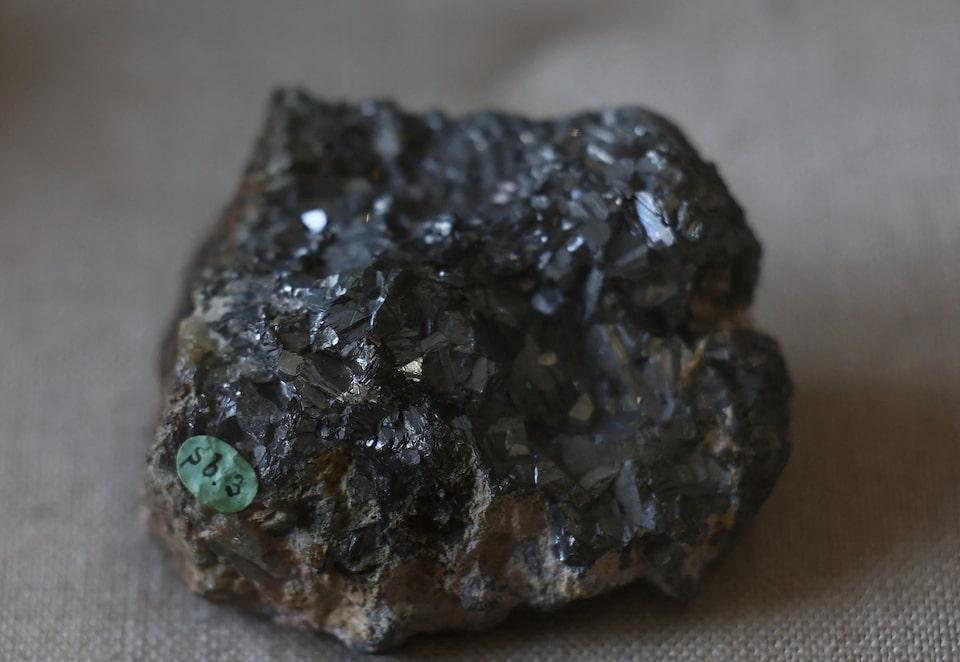
Army program aims to refine antimony and other critical minerals Antimony will be first, with annual output of 7 to 9 metric tons Tungsten, rare earths, boron also eyed for refining Dec 9 (Reuters) - The U.S. military said it plans to develop a fleet of small-scale refineries to produce critical minerals used to make bullets, armor and other types of weaponry, a move aimed at developing domestic sources for niche materials that Chinese miners have long controlled. The plans, which have not been previously reported, are being developed by the U.S. Army alongside the Idaho National Laboratory (INL) and antimony and gold miner Perpetua Resources (PPTA.O) , opens new tab, with antimony being the first mineral the military aims to refine. Sign up here. While the Army said it does not plan to produce large volumes of minerals for private use, the small-scale approach would allow access to a steady stream of these building blocks without relying on commercial refineries, which are often far larger and focused on bulk products, including copper and iron ore. If successful, Washington aims to develop refineries for other minerals as well, including tungsten, rare earths and boron, all of which are considered critical by the U.S. government. "We need to come up with a way to make our own (critical minerals) domestically that we can actually monitor and control within our borders," said Mark Mezger, a munitions procurement adviser for the U.S. Army. For antimony, the Army spent $30 million developing the refinery program over several years, with privately held Westpro Machinery designing a refinery that can be transported in four shipping containers. The refinery can produce 7 to 10 metric tons annually of a type of antimony known as trisulfide, far less than a commercial refinery would produce but enough to supply the Army during peacetime. Should a conflict break out, the Army can expand processing by adding additional mini-refineries to process ore from Perpetua's Idaho mine, Mezger said. The Army is in talks with other U.S. antimony projects for additional sourcing, he added. Antimony trisulfide is used to make primers, the explosive cap at a bullet's base. This version of antimony has not been produced in the United States since the 1960s. "Without antimony trisulfide, you can't make primers. And without primers, you can't make bullets. And an army without bullets is just a parade," said Mezger. The Idaho National Laboratory will test the facility for the next six months and, if it passes muster, will operate it for the Army and Perpetua, which is backed by JPMorgan Chase (JPM.N) , opens new tab and billionaire investor John Paulson. Refineries for other minerals could be located on military bases or other government properties, officials said. Reuters was first to report in March that the Trump administration was considering locating metal refining facilities on U.S. military bases. The portable refinery will crush rock and perform other steps common to larger facilities. Different chemicals can be used in the process depending on the type of mineral being produced. Part of the INL's involvement will be to verify the facility does not just mimic existing refinery standards and is cleaner and more efficient, officials said. The Army discovered in 2021 that China had stopped shipping trisulfide, setting off a drawdown of the military's one-year stockpile and a dash for alternative supplies in India and elsewhere. The refinery plan was born out of a realization that a domestic option was crucial, Mezger said. Jon Cherry, Perpetua's CEO, said the plant's development should help "pave the way for sustained American mineral independence and resilience." https://www.reuters.com/business/energy/us-military-developing-small-refineries-critical-minerals-2025-12-09/
2025-12-09 05:54
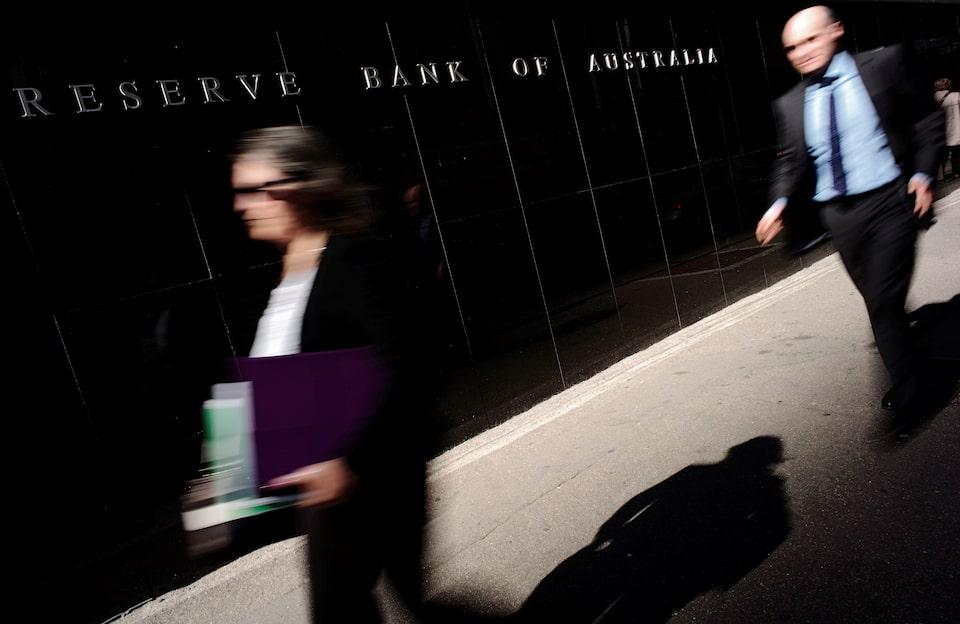
RBA leaves cash rate at 3.60%, says inflation risks tilt upward Domestic demand stronger than expected, adding to capacity pressures Bullock rules out cuts, future decision between long hold or hike SYDNEY, Dec 9 (Reuters) - Australia's central bank on Tuesday ruled out further policy easing after holding interest rates steady at 3.6%, warning the next move could be up if inflation pressures prove to be stubborn. Wrapping up the last policy meeting of the year, Governor Michele Bullock said the board did not explicitly discuss the case of a rate hike, but it did discuss the circumstances under which rates might need to be raised again. Sign up here. "What I would say at this point is what we know at the moment, I don't think there are interest rate cuts in the horizon for the foreseeable future," Bullock said at the post-meeting press briefing. "The question is - is it just an extended hold from here, or is it a possibility of a rate rise? I couldn't put a probability on those." While markets initially read the RBA's statement as more balanced and made only small moves, Bullock's hawkish comments injected fresh impetus to the Australian dollar as it rose 0.3% to $0.6645. Three-year government bond yields surged 11 basis points to 4.152%, the highest since November last year. Investors brought forward bets for rate hikes next year, with a move in February seen as a 28% probability, while March has moved closer to 50%. There is a total tightening of 47 bps expected next year, equivalent to two rate hikes. "The recent data suggest the risks to inflation have tilted to the upside, but it will take a little longer to assess the persistence of inflationary pressures," the board said in a statement. "There are uncertainties about the outlook for domestic economic activity and inflation and the extent to which monetary policy remains restrictive." INFLATION RISKS TO THE UPSIDE The RBA has cut interest rates three times this year but inflation is rearing its head again, having climbed for four straight months to 3.8% in October. The trimmed mean measure of core inflation ran at 3.3%, above the mid-point of the target band of 2%-3%. The board said there is uncertainty about how much of a signal the new monthly CPI numbers provide. "Nevertheless, the data do suggest some signs of a more broadly based pick-up in inflation, part of which may be persistent and will bear close monitoring," the statement added. The economy, which could be running near its speed limit, grew at the fastest pace in two years last quarter, fuelled by spending by businesses, governments and consumers. The labour market also stayed resilient, with the jobless rate edging lower to 4.3% in October, from 4.5%. The mood among consumers, long stuck in the doldrums, has turned positive in a boost to the outlook for household spending. Home prices surged to new record highs, home loan growth jumped and upbeat stock markets suggest that financial conditions might not be as restrictive as previously thought. "Our sense is that it won’t take much for the RBA to respond to evidence of a more persistent inflation trajectory," said Sally Auld, chief economist at the National Australia Bank. "For now, we see the RBA on hold next year, but... February is now a live meeting should forthcoming inflation data on 7 and 28 January validate the RBA’s fears." https://www.reuters.com/world/asia-pacific/australias-central-bank-holds-rates-steady-warns-inflation-risk-2025-12-09/
2025-12-09 05:33
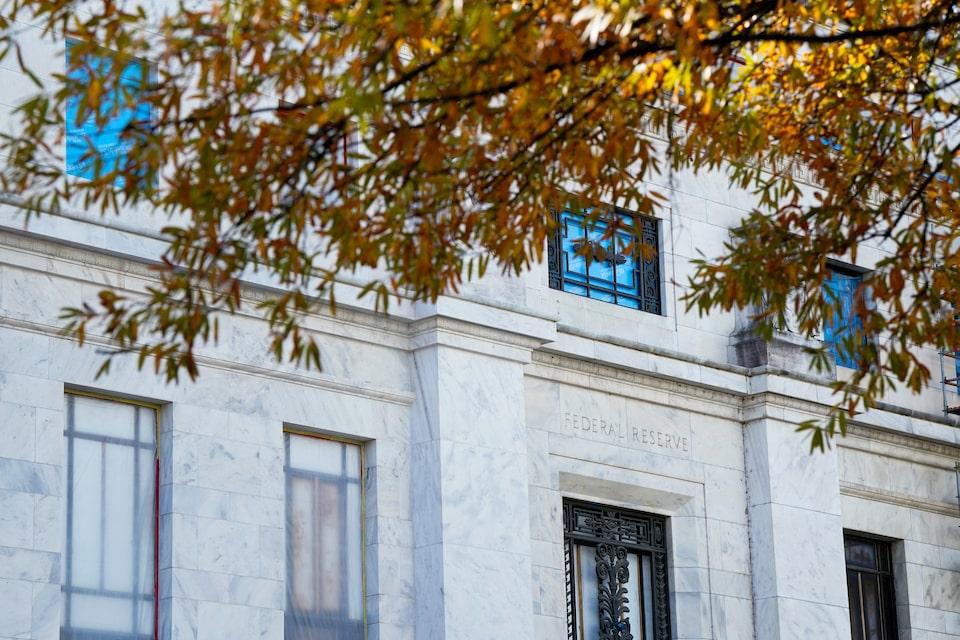
A look at the day ahead in European and global markets from Ankur Banerjee Markets are getting anxious about the U.S. monetary policy outlook ahead of an expected rate cut from the Federal Reserve this week, with a divided central bank and the prospect of a dovish successor to Fed Chair Jerome Powell keeping investors on edge. Sign up here. Welcome to almost-Fed day! Traders are all but certain that a 25 basis point rate cut is on its way on Wednesday. But let's be honest, the focus is on what Powell will say and how many rate cuts the dot plot will lay out for 2026. Markets are predicting 77 basis points of easing through the end of 2026, meaning two more cuts after December remain in the price. The broad expectation is for a semi-hawkish tone from the Fed this week, cautioning the bar for next rate cut will be higher. So anything that even sounds vaguely dovish will be a surprise and could lead to a bout of volatility. Bond investors, though, are positioning for a shallow easing cycle, reducing their exposure to long-duration Treasuries and rotating into intermediate maturities for juicier returns. White House economic adviser Kevin Hassett, a top candidate to succeed Powell, said in an interview that the Fed should continue to lower interest rates, adding yet another layer of complexity to what is likely to be a complex Fed decision day. The broad consensus among analysts is that if Hassett is appointed as the next Fed chair, he will keep his dovish hat on, but markets are not so certain, Reuters Open Interest Markets Columnist Jamie McGeever writes. The skittish mood has meant stocks are mostly trading sideways and European futures indicate a lacklustre opening is on the cards, although chip stocks might be worth keeping an eye on. The United States will allow Nvidia's (NVDA.O) , opens new tab H200 processors, its second-best artificial intelligence chips, to be exported to China and collect a 25% fee on such sales, President Donald Trump said on Monday. Elsewhere, the Australian dollar was choppy after the country's central bank kept rates steady as expected. The yen was steady after a bout of weakness immediately as news filtered in of a powerful earthquake hitting Japan. Thankfully, the impact has been limited as Japanese authorities lifted tsunami warnings. Key developments that could influence markets on Tuesday: Economic events: Germany exports and imports data for October https://www.reuters.com/world/china/global-markets-view-europe-2025-12-09/
2025-12-09 05:25
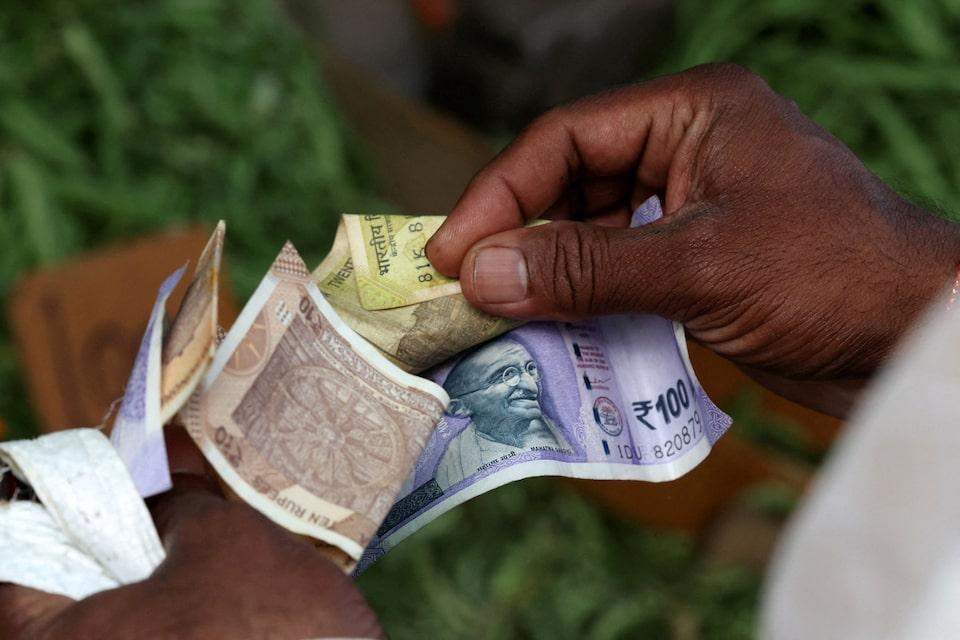
MUMBAI, Dec 9 (Reuters) - The Indian rupee closed modestly stronger on Tuesday, supported by dollar sales from exporters and modest foreign inflows while traders held onto caution ahead of the U.S. Federal Reserve’s policy decision later this week. The rupee rose 0.2% to end the day at 89.8750 per dollar. Sign up here. The currency had risen to 89.8475 earlier in the session but further gains were capped by importers stepping in to lock in hedges at more favourable levels, traders said. "Till it (USD/INR) holds below 90.30, there is likely to be decent two-way merchant interest but a break above that could yet again cool activity from exporters," a trader at a Mumbai-based bank said. The currency has declined about 5% in 2025 so far, bogged down by weakness in trade and foreign portfolio flows alongside the drag from a missing trade deal with the U.S. Deputy U.S. Trade Representative Rick Switzer will visit India on December 10-11, the Indian foreign ministry spokesperson said on Monday. Elsewhere, Asian currencies were trading mixed on the day while the dollar held steady against a basket of peers as investors awaited a closely watched Fed decision due on Wednesday. Bond investors are positioning for a shallow U.S. rate cut cycle and many Wall Street banks predict fewer Fed interest rate cuts in 2026 due to concerns over inflation and expectations of a more resilient U.S. economy. "There are now high expectations of a 'hawkish cut' at Wednesday evening's Federal Open Market Committee (FOMC) decision. We had felt that the short-end of the dollar's upside was vulnerable to this FOMC event risk," analysts at ING said in a note. Investors will also focus on the release of Fed policymakers' quarterly economic projections, including policy rate forecasts, also known as the "dot plot." https://www.reuters.com/world/india/rupee-edge-lower-open-bearish-tilt-persists-weak-flows-2025-12-09/
2025-12-09 05:14
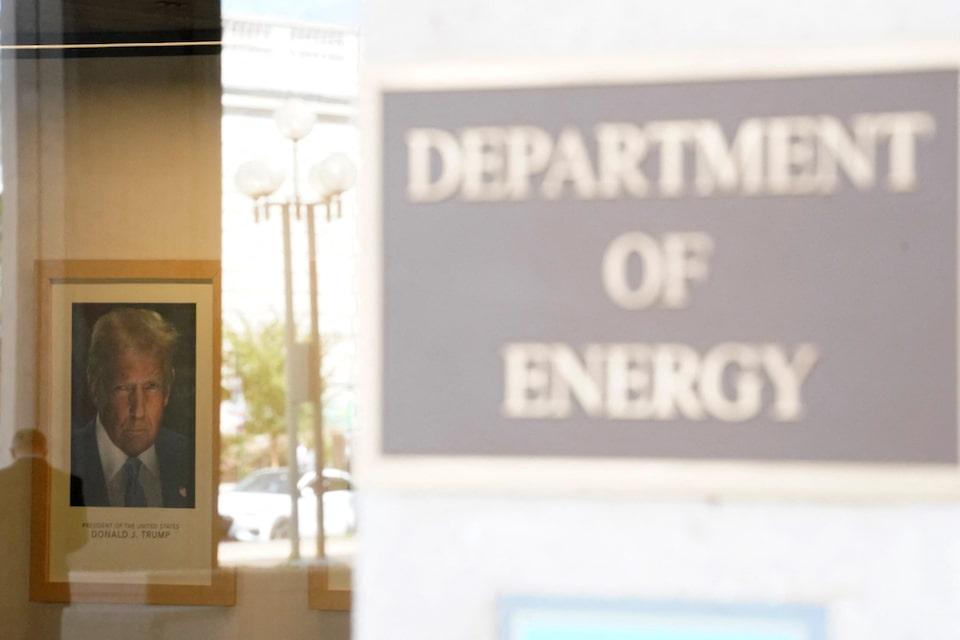
WASHINGTON, Dec 9 (Reuters) - Fusion energy industry leaders met with U.S. Department of Energy officials on Monday to urge them to facilitate billions of dollars for projects seeking to generate electricity by the process that powers the sun. The department in November created an Office of Fusion in a reorganization that focused on fossil fuel and nuclear energy while eliminating renewable energy offices. Sign up here. The Trump administration has rescinded billions of dollars that former President Joe Biden authorized to subsidize hydrogen and renewable energy projects. Andrew Holland, CEO of the Fusion Industry Association, said the leaders urged the officials to steer some of that money to fusion so companies can compete in the race with China. "Now is the time for the U.S. to make a significant investment, and that means over a billion dollars per year in annual appropriations and a one-time infrastructure investment," Holland said. "If they ask for it, we are confident Congress would pass it." Companies and physicists at national laboratories have been trying for decades to use lasers or large magnets to foster fusion reactions, in which light atoms are forced together to release huge amounts of energy. In 2022, the Lawrence Livermore National Laboratory in California briefly achieved net energy gain in a fusion experiment using lasers. But generating more energy from of a fusion reaction than required to spark it has been a tall hurdle. The fusion leaders also spoke to the officials about Trump's plan to launch an integrated artificial intelligence platform called Genesis Mission to harness federal scientific datasets to train next-generation technologies they said could benefit fusion. "The Energy Department and the Genesis Mission can ensure the U.S. remains at the forefront, bridging the gap between research and commercialization," said Marvi Matos Rodriguez, senior vice president of technology at fusion company Zap Energy. https://www.reuters.com/sustainability/climate-energy/fusion-energy-industry-presses-us-government-billions-support-2025-12-09/
2025-12-09 05:10
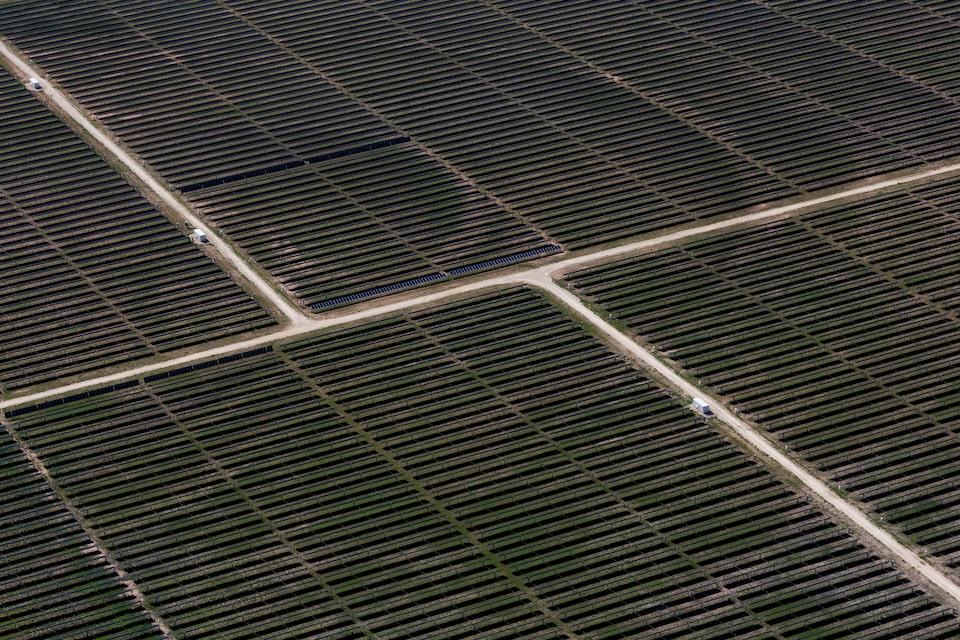
Dec 9 (Reuters) - The U.S. solar industry installed 11.7 gigawatts of new solar capacity in the third quarter, a jump of 49% sequentially, a study by the Solar Energy Industries Association and Wood Mackenzie showed on Tuesday. The report said solar accounted for 58% of all new electricity-generating capacity added to the U.S. grid through the third quarter, with more than 30 GW installed. Sign up here. The rise follows a period of industry-wide disruption caused by the One Big Beautiful Bill Act (OBBBA), with most of the gains driven by utility-scale solar projects that were largely completed in the second quarter, the report added. The OBBBA requires projects to begin construction by July next year or enter service by the end of 2027 to qualify for a 30% tax credit and bonuses that can push the subsidy even higher, creating uncertainty for the solar and storage industries. The pace of solar installations, however, did slow down in the quarter owing to industry constraints and supply chain bottlenecks. The residential segment was the most impacted with a 4% decline in the third quarter, compared to the same period last year. Moreover, permitting delays remain a significant hurdle for new projects and, according to industry estimates, more than 117 gigawatts of solar and storage projects are currently stuck in the permitting process. "Any such project in the country is subject to the red tape that the Interior Department has erected for solar ... If they don't have their final permits yet, the Interior Department red tape could hold them up," said Sean Gallagher, senior vice president of policy at SEIA. Gallagher added, "They're not going to be able to come online unless the administration changes course on its policies that are prohibiting or delaying the construction of new energy facilities." The SEIA lowered its near-term outlook for 2025 and 2026 residential solar by 2% and 8%, respectively, adding that solar module availability is expected to remain tight through next year. https://www.reuters.com/business/energy/us-solar-installations-jump-49-third-quarter-report-says-2025-12-09/