2025-10-15 17:00
WASHINGTON, Oct 15 (Reuters) - U.S. Treasury Secretary Scott Bessent said on Wednesday the yen will find its own level if the Bank of Japan follows "proper monetary policy." Bessent made the remarks to reporters when asked whether the yen's recent level was reasonable or a bit too weak. Sign up here. A senior Japanese finance ministry official declined to comment, when asked about Bessent's remarks. In August, Bessent said the BOJ would likely be raising interest rates, as it was behind the curve in dealing with the risk of inflation. The BOJ exited a decade-long, massive stimulus program last year and raised its key interest rate to 0.5% in January. It has kept rates steady since then, with Governor Kazuo Ueda citing the need to scrutinize the impact of U.S. tariffs and slowing global demand. The slow pace of BOJ rate hikes has weakened the yen, pushing up import costs and keeping consumer inflation above the BOJ's 2% target for well over three years. "It's something the BOJ ought to decide," Japanese Finance Minister Katsuhobu Kato said, when asked how the central bank should respond to rising living costs from a weak yen. While the weak yen and rising crude oil prices likely played a part in driving up prices in the past few years, it was hard to judge how yen falls were affecting prices recently, Kato told reporters after a meeting with Bessent on Wednesday, held on the sidelines of the annual IMF meetings in Washington. https://www.reuters.com/world/asia-pacific/bessent-says-yen-will-find-its-own-level-if-bank-japan-follows-proper-policy-2025-10-15/
2025-10-15 16:08
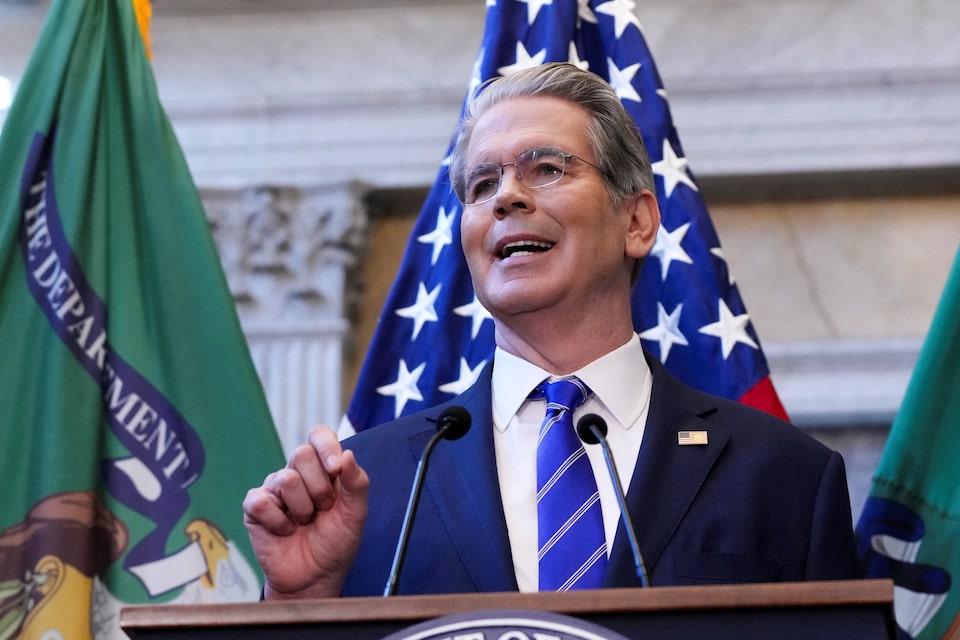
Bessent earlier estimated cost of shutdown at up to $15 billion a day Bessent says shutdown is cutting 'into muscle' of US economy US Treasury chief says deficit was lower in fiscal 2025 Bessent says tech, investment boom is sustainable Washington, Oct 15 (Reuters) - The two-week-old federal government shutdown may cost the U.S. economy as much as $15 billion a week in lost output, a Treasury official said late on Wednesday, correcting an earlier statement from Treasury Secretary Scott Bessent that put the cost at up to $15 billion per day. Bessent used the incorrect estimate in two separate appearances earlier on Wednesday, while urging Democrats to "be heroes" and side with Republicans to end it. Sign up here. A Treasury official said the cost estimate was based on a report by the White House Council of Economic Advisers , opens new tab. Bessent told a news conference that the shutdown was starting to "cut into muscle" of the U.S. economy. The wave of investment into the U.S. economy, including into artificial intelligence, is sustainable and is only getting started, but the federal government shutdown is increasingly an impediment, Bessent said. "There is pent-up demand, but then President (Donald) Trump has unleashed this boom with his policies," Bessent said at a CNBC event held on the sidelines of the International Monetary Fund and World Bank annual meetings in Washington. "The only thing slowing us down here is this government shutdown," Bessent said. He said that incentives in the Republican tax law and Trump's tariffs would keep the investment boom going and fuel continued growth. "I think we can be in a period like the late 1800s when railroads came in, like the 1990s when we got the internet and office tech boom," Bessent said. US DEFICIT HAS SHRUNK, BESSENT SAYS Bessent also said that the U.S. deficit for the 2025 fiscal year ended September 30 was smaller than the $1.833 trillion deficit posted in the prior fiscal year. He did not provide a figure, but said that the deficit-to-GDP ratio could come down to the 3% range in coming years. The Treasury Department has not yet reported the annual deficit figure. The Congressional Budget Office estimated last week , opens new tab that the U.S. fiscal 2025 deficit fell only slightly to $1.817 trillion despite a $118 billion jump in customs revenue from Trump's tariffs. "The deficit-to-GDP, which is the important number, now has a five in front of it," Bessent said at the CNBC event. Asked if he wanted to see a three at the start of the deficit-to-GDP ratio, Bessent said, "Yes, it's still possible." He added that the ratio would come down if the U.S. could "grow more, spend less, and constrain spending." https://www.reuters.com/world/us/us-investment-boom-is-sustainable-bessent-says-2025-10-15/
2025-10-15 15:22
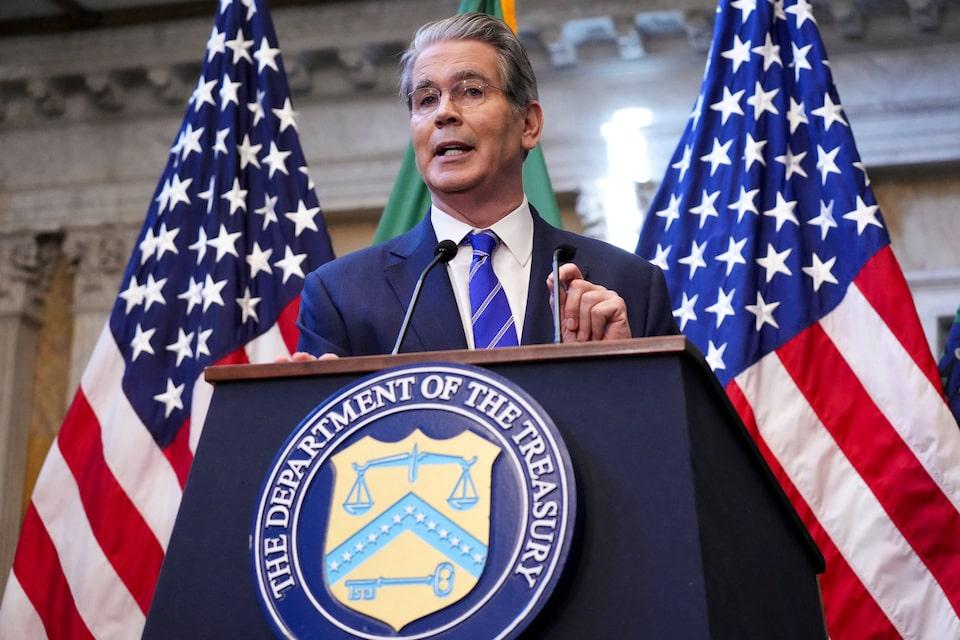
Oct 15 (Reuters) - India's central bank does not target any price level on the rupee, governor Sanjay Malhotra reiterated at an International Monetary Fund and World Bank event on Wednesday. The rupee has been in a firm downward trend, weighed by U.S. President Donald Trump's trade policies, including tariffs against India, and geopolitical tensions. Sign up here. The Reserve Bank of India's (RBI) frequent interventions have kept the rupee from breaching its all-time low of 88.80, last touched on September 30. "We believe in the markets to decide what the level should be... Our effort really is to ensure that there is an orderly movement of the rupee both sides, and any undue or any abnormal volatility is curbed," he said. The RBI intervened heavily in the currency market on Wednesday to shore up the rupee, traders said, mirroring the central bank's moves to defend the local currency in February. Malhotra also said the RBI wants to promote its central bank digital currency (CBDC) over stablecoins or cryptocurrencies. Earlier this month, the RBI launched a retail sandbox for CBDC, allowing fintech firms to build and test solutions as part of the ongoing pilot. Prime Minister Narendra Modi's government has for several years debated drafting a law to regulate or even ban cryptocurrencies but has not made a final decision. https://www.reuters.com/sustainability/boards-policy-regulation/india-cenbank-does-not-target-any-specific-rupee-level-governor-says-2025-10-15/
2025-10-15 13:16
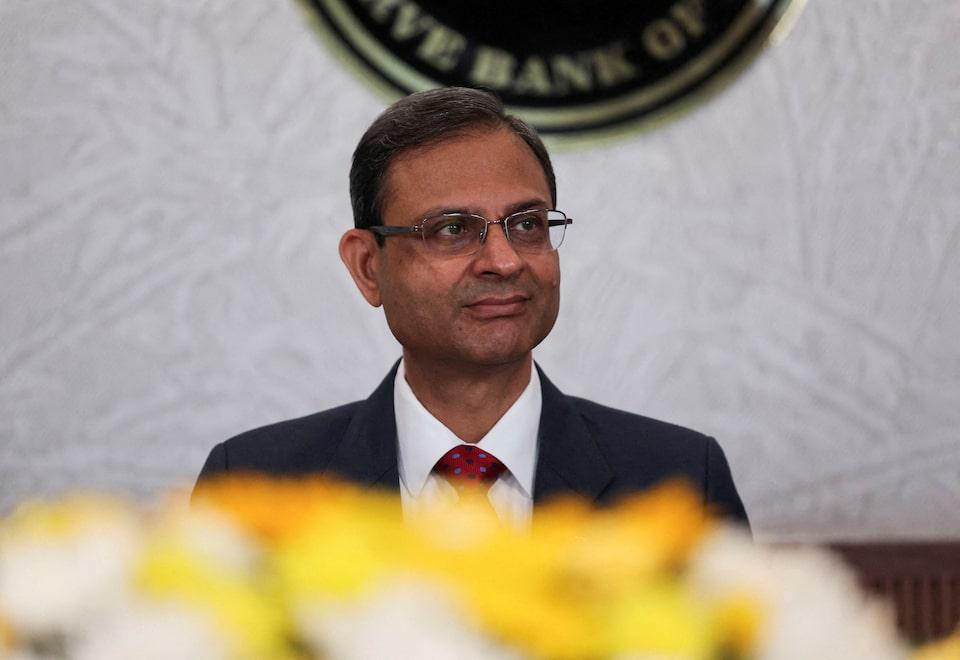
Oct 15 (Reuters) - The U.S. deficit-to-gross domestic product ratio has room to come down to the 3% range, Treasury Secretary Scott Bessent said on Wednesday. "The deficit-to-GDP, which is the important number, now has a five in front of it," Bessent said at a CNBC event held on the sidelines of the International Monetary Fund and World Bank annual meetings in Washington, adding that the deficit for the fiscal year that ended on September 30 was smaller than the year before. The Treasury Department has not reported the annual deficit figure yet because of the ongoing federal government shutdown. Sign up here. Asked if he wanted to see a three at the start of the deficit-to-GDP ratio, Bessent said, "Yes, it's still possible." https://www.reuters.com/world/us-deficit-to-gdp-ratio-has-room-come-down-bessent-says-2025-10-15/
2025-10-15 12:54
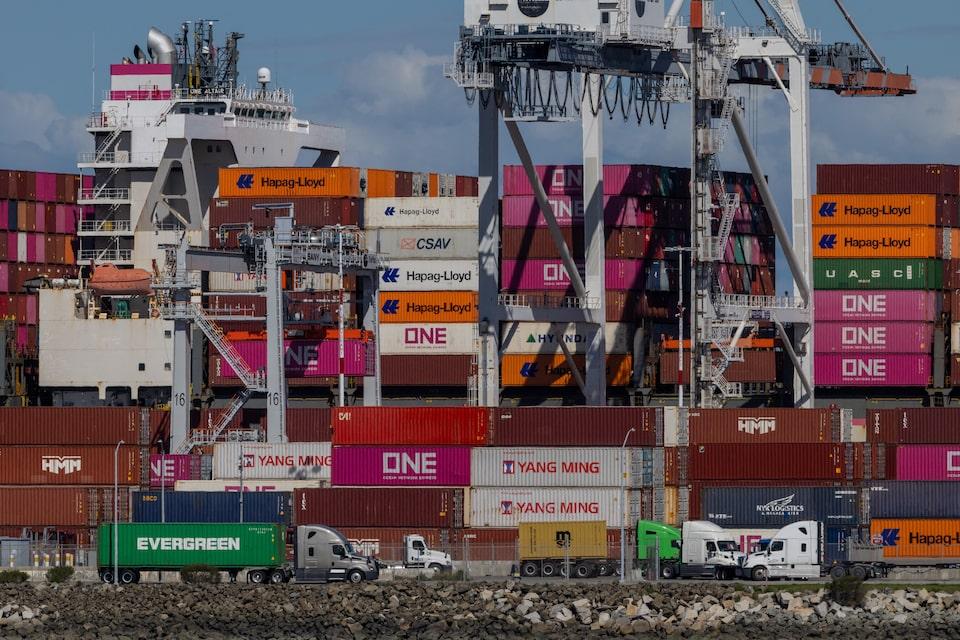
WASHINGTON, Oct 15 (Reuters) - (This Oct. 15 story has been corrected to change the central bank growth forecast for next year to 1.6% from 1.8% in paragraph 5) The fresh flare-up in trade tensions between the United States and China is a big risk to the outlook for Thailand's economic growth, the country's deputy central bank governor said, adding there was little room left to lower rates further. Sign up here. U.S. President Donald Trump on Friday shattered a relative calm in the trade war between the world's top two economies by threatening 100% duties on Chinese goods - on top of rates averaging 55% - in retaliation for Beijing's dramatically expanded export controls on rare earths. "Of course, that's a big downside risk," Bank of Thailand Deputy Governor Piti Disyatat told Reuters on the sidelines of the International Monetary Fund World Bank annual meeting in Washington. "China and the U.S. are both major export and import trading partners, and whatever happens between them, it's not helpful for the rest - so we hope that it will not play out too aggressively." The central bank expects to see growth at 2.2% this year and 1.6% in 2026 - well below the potential growth rate of 2.7%. Despite the sluggish growth, policy makers surprised markets last week by leaving the key interest rate steady rather than cutting, as the economy struggles with a strengthening baht, negative inflation and the fallout from U.S. tariffs. Piti said room for manoeuvre was limited on rates. "The level of policy rate at 1.5% is actually historically low," said Piti, adding lending rates had dipped below this level only three times - during the great financial crisis, and the COVID and the SARS epidemics. "There's not much room left, and the things that are holding back the economy are no longer funding conditions." The central bank would instead rather focus on financial measures together with fiscal authorities, such as debt restructuring schemes for household and small and medium enterprises, such as loan guarantee schemes to get access to credit. "That's where the constraints are and we are doing that, and maybe do more of that going forward," he said. Recent data showing inflation being negative for a sixth straight month in September did not require a rethink of the central bank's inflation target of 1-3%, the deputy governor said. "It's roughly okay," he said, adding declines were driven by lower energy and food prices, both mostly external and supply related, with inflation expectations holding broadly steady. Asked how the political change in Thailand had shaped policy making, Piti said the bank had fared well. "We have had four prime ministers and four finance ministers in five years," he said. "It's been challenging because of the continuity, and you have to always get used to the new administration, but I think overall, we've kind of managed to make it through that period quite well." Asked about the strength of the baht currency, which has firmed around 5% against the dollar since the start of the year, Piti said he recognised it was tough on exporters. "But from an economic fundamental perspective, it's not clearly too out of line." https://www.reuters.com/world/china/flare-up-us-china-trade-tensions-poses-big-risk-thailands-growth-deputy-central-2025-10-15/
2025-10-15 12:32
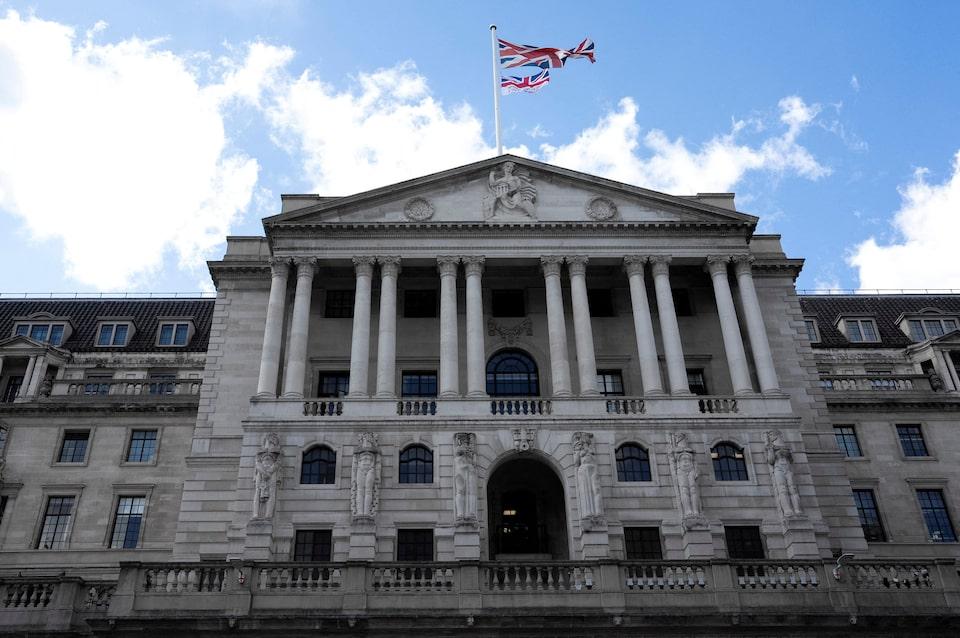
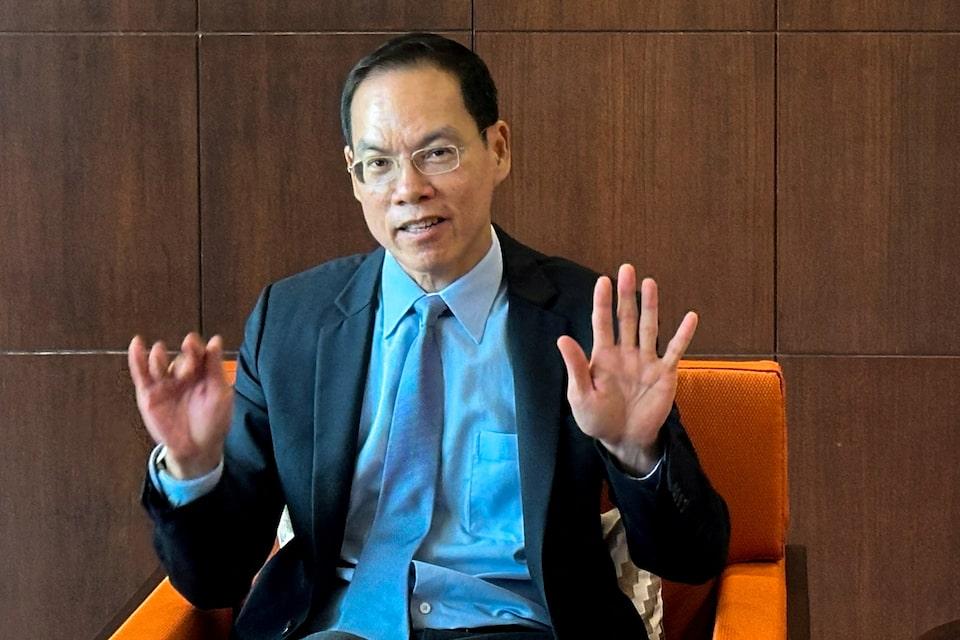
LONDON, Oct 15 (Reuters) - Senior bankers in Britain will receive their bonuses earlier than previously thought, the Bank of England said on Wednesday, after halving the length of time needed to qualify as part of efforts to boost UK competitiveness. In a consultation on how rules introduced after the financial crisis should be changed, the Bank had recommended a cut to five years, but on Wednesday said the time bankers must wait for the full amount of their bonus would be reduced to four years from eight. Sign up here. The changes take effect from Thursday, in time for 2025 pay awards and any other awards made but not yet fully paid. They also exclude some bankers from the bonus-deferral regime. The BoE's Prudential Regulation Authority said the new rules would allow banker bonuses to be vested on a pro-rata basis from the time they are granted. British regulators had already previously scrapped a cap on banker bonuses that had dated from Britain's membership of the European Union. "These changes are the latest example of our commitment to boosting UK competitiveness," Sam Woods, deputy governor of Prudential Regulation at the Bank, said. Regulators imposed rules to defer senior manager bonuses after the 2007-2009 financial crisis triggered concerns that year-end cash bonuses could encourage bankers to take excessive risks and undermine the global financial system. Critics had said the rules put Britain at a competitive disadvantage to rival financial centres, where most bonuses are typically subject to deferral periods of three-to-five years. Bank lobby group UK Finance said the changes would give companies more flexibility. "A more proportionate approach here will help with attracting global talent and support the competitiveness of the UK's financial services sector," a UK Finance spokesperson said. https://www.reuters.com/sustainability/boards-policy-regulation/boe-speeds-up-time-uk-bankers-receive-bonuses-2025-10-15/