2025-10-10 05:19
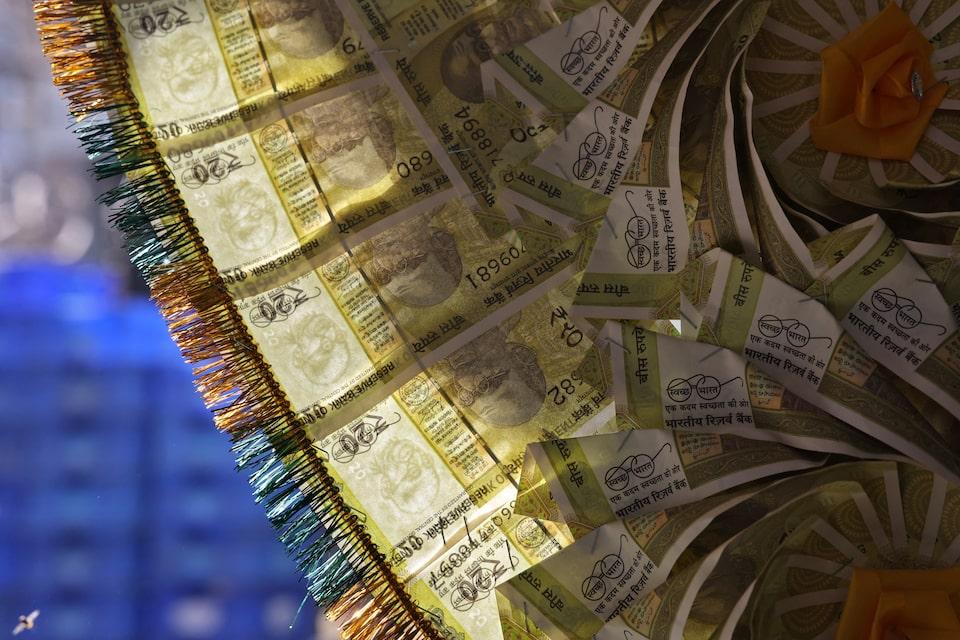
MUMBAI, Oct 10 (Reuters) - The Indian rupee nudged higher on Friday, easing away from its all-time low after spending much of the week pinned near it, as persistent central bank defence of the currency spurred interbank dollar sales. The rupee closed at 88.6850 against the U.S. dollar, up from 88.7825 in the previous session. The currency was up 0.1% week-on-week. Sign up here. While the currency started the session on a weak note and appeared at risk of falling past its record low of 88.80, traders flagged likely intervention by the central bank which blunted the pressure. Broad-based interbank dollar sales picked up later in the session, spurred by positional adjustments and merchant flows, an FX salesperson at a foreign bank said. Analysts are split on what comes next for the South Asian currency, with some predicting that its rough patch may extend while others reckon that the worst may be over as valuations turn supportive. FX advisory firm IFA Global holds a moderately bearish view on the rupee in the medium term with an implied range of 88.40-89.30 over the next 6 weeks, per a Friday note. Elsewhere, the dollar was steady against a basket of peers. The Japanese yen was headed for its steepest weekly drop in a year, while the euro languished near a two-month low on the back of fading hopes of rate hikes by the Bank of Japan and political developments in France. On the week, the dollar index was up over 1.5%, its best performance since November 2024. Traders say that a meaningful turnaround in the rupee's trajectory is unlikely in the absence of a bounceback in portfolio flows or positive developments in U.S.-India trade negotiations. Foreign investors have net sold about $500 million worth of Indian stocks in October so far. India's benchmark equity gauges, the BSE Sensex (.BSESN) , opens new tab and Nifty 50 (.NSEI) , opens new tab ended 0.4% higher each. https://www.reuters.com/world/india/rbis-8880-line-remains-play-with-dollar-scaling-two-month-high-2025-10-10/
2025-10-10 05:11
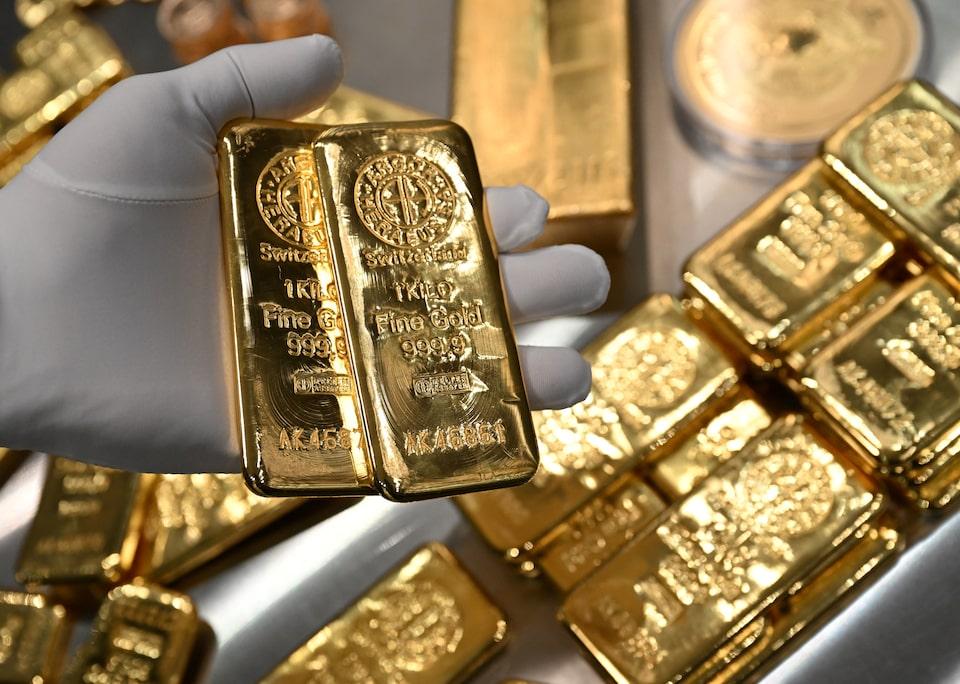
Gold is 'hedge everything' trade for investors Thrives when investors fret over inflation, economic slowdown Spillover from stocks to gold LONDON, Oct 10 (Reuters) - Investors are testing well-established views about gold, which is surging to new records, as an AI-driven stocks rally and red-hot bitcoin force a rethink of what's driving one of the world's oldest asset classes. Gold topped $4,000 an ounce for the first time this week and with a 53% gain in 2025, is heading for its best year since 1979, trouncing bitcoin's 30% rise and the 15% increase in the S&P 500 plus its array of tech titans (.SPX) , opens new tab. Sign up here. Typically, the metal thrives when investors fret over inflation, economic slowdown or potential market turmoil. Conversely, when investors' risk appetite improves, it tends to lag shinier alternatives that do not require extra cash to store or insure them. That dynamic was at play in 1980, when gold surged as U.S. inflation peaked above 13% and tanked the economy and stocks, and in early 2008, when the global financial crisis wiped 32% off Wall Street shares in six months. GOLD AND STOCKS' UNUSUAL TANDEM TRIP But gold is now soaring together with stocks and bitcoin, as investors bet heavily on U.S. rate cuts and concern grows about the dollar's role as the world's top reserve currency. "When you have a paradigm shift in how the current economic system is working, we’ve found in history that people always move to gold," said Pictet senior multi-asset strategist Arun Sai. "Think of it as the ultimate debasement hedge." Political drama is rife, France's budget problems and concerns about the independence of central banks are unnerving investors, while war in Ukraine continues and the first signs of a Gaza peace deal are emerging. The artificial intelligence boom is driving Wall Street, raising concerns of a bubble, while President Donald Trump's big spending plans, along with his tariffs and attacks on the Fed have undermined Treasuries and the dollar , which is down 10% against other major currencies this year. JPMorgan Chase (JPM.N) , opens new tab CEO Jamie Dimon reckons there is a heightened risk of a significant U.S. stocks correction within the next six months to two years. Tariffs have further stoked fears of inflation, another bullish factor for gold. "It feels like we are at an inflection point for inflation," said Michael Metcalfe, head of macro strategy at State Street. Anxiety about Fed independence and inflation could be two sides of the same story for gold, because of the notion that the world's most influential central bank may stand by as tariff-driven inflation intensifies. Inflation across the G7 group of richest nations averaged 2.4% in September, versus 1.7% 12 months ago and most of their central banks are either cutting rates or standing pat. Trump, meanwhile, has volleyed insults at Fed chair Jerome Powell, is attempting to sack one Fed official and nominated ally Stephen Miran as a governor. Since August, gold has jumped by about 20%. SPILLOVER FROM STOCKS TO GOLD The U.S. labour market is slowing, but other economic indicators are resilient, while inflation expectations are rising. Traders anticipate U.S. rate cuts into 2026, helping equities and gold. Rhona O’Connell, head of market analysis, EMEA and Asia at StoneX, says the "efficient frontier" partly explains why gold is up in tandem with stocks. The sweet spot is where a portfolio manager generates the most return for the amount of risk they will tolerate. Gold often moves inversely to stocks, making it a good risk mitigator, she said. When gold rises, managers can add some to their holdings to offset the risk of stocks falling, while bagging extra return. "When you’ve got equities on a massive great tear like this, some of that additional value in the equity markets will spillover into additional gold holdings," O'Connell said. Gerry Fowler, head of equity strategy at UBS, flagged increased retail demand as reading across to the gold price. "Every time somebody puts more money into the gold ETF, the ETF has to then go buy physical gold," he said, adding that this is not the only part of the market where what he dubbed "bubbly behaviour" and "retail enthusiasm" is showing up. AN AI HEDGE Growing worry over a possible AI-driven stocks crash, with the Bank of England and the IMF voicing concern, means gold is serving as a hedge for that too. "People are equally bullish about AI as they are about gold," Trevor Greetham, head of multi-asset at Royal London Asset Management, said. "If there were a deep recession and a crash in AI you might find gold goes up another leg." Gold's rise has been mostly down to waning confidence in the dollar. Central banks have been avid buyers, now holding about a quarter of their reserves in bullion, one way of shifting away from the dollar. Nutshell Asset Management CIO Mark Ellis said he expected the trend to continue, as U.S. tariffs prompt exporters to seek new markets, thereby reducing their reliance on the dollar. His main take on the latest gold boom? "It's Donald Trump," he said. https://www.reuters.com/world/india/global-markets-gold-2025-10-10/
2025-10-10 05:07
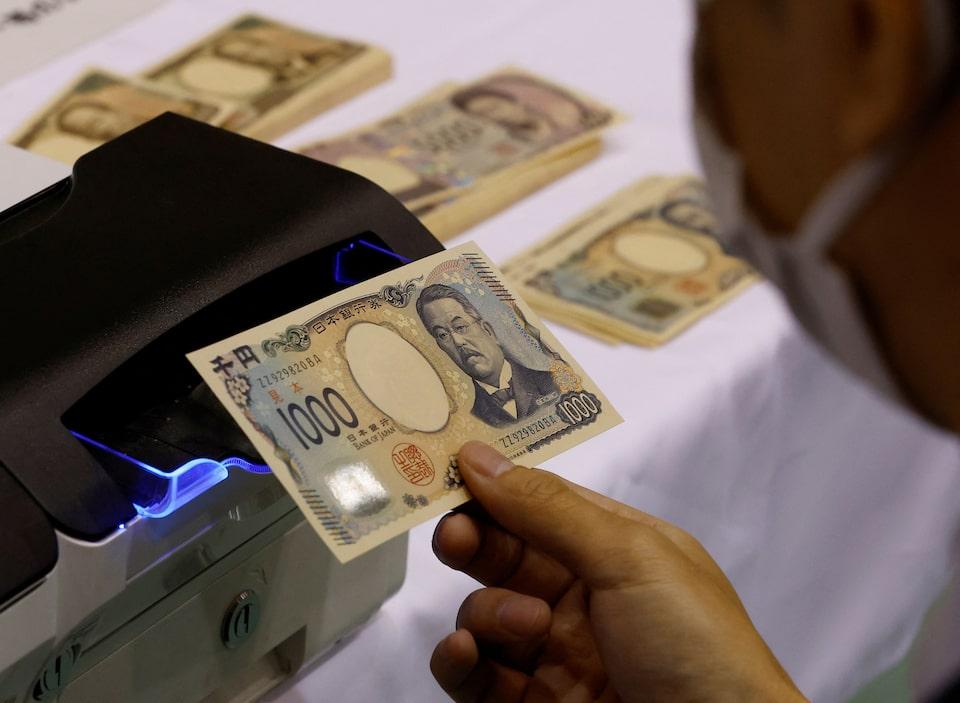
Trump's tariff threat dents dollar, lifts euro and yen Yen weaker on the weak on fiscal fears French political turmoil dents euro, Macron seeks new prime minister NEW YORK, Oct 10 (Reuters) - The dollar dropped on Friday after U.S. President Donald Trump threatened to hike tariffs against China, reigniting concerns over how the trade war will impact the U.S. economy. Trump also said he may cancel a planned meeting with Chinese President Xi Jinping and complained on social media about what he called China's plans to hold the global economy hostage after China dramatically expanded its rare earths export controls on Thursday. Sign up here. The comments lifted the euro and the yen against the greenback, while currencies linked to commodities and raw materials, including the Australian dollar, fell. "Ultimately, it does create a lot of negativity for the U.S. economy," said Juan Perez, director of trading at Monex USA in Washington. "Is China really going to have to be very retaliatory moving forward in order to get the United States to negotiate better? So it creates a lot of doubt.” The dollar index was last down 0.4% a 98.99. It is still on track for a weekly gain of 1.66%, the largest since September 2024, after the Japanese yen and euro this week were hurt by fiscal concerns in their regions. Traders are also watching for signs on when the U.S. federal government will reopen and release data that will shape Federal Reserve policy. The U.S. Bureau of Labor Statistics said on Friday it would publish September's consumer inflation report on October 24 to assist the Social Security Administration determine the annual cost-of-living adjustment for 2026. It comes after many Fed officials expressed concern at their last meeting over inflation risks. "A lot of the easing that central banks either have done, or in the case of the Fed are considering, is being done with a very finely tuned sensitivity to inflation," said Eric Theoret, FX strategist at Scotiabank in Toronto. Traders are pricing in a 97% chance that the Federal Reserve cuts rates by 25 bps at its October meeting, while the odds of an additional cut in December are at 92%, according to the CME Group's FedWatch Tool. YEN WEAKENS ON FISCAL FEARS The Japanese currency has dropped this week on concerns that the Bank of Japan may not hike interest rates again this year after fiscal dove Sanae Takaichi's surprise victory to lead the ruling party, stoking worries of Japanese authorities needing to step in to support the yen. Japanese Finance Minister Katsunobu Kato said on Friday that the government was concerned about excessive volatility in the foreign exchange market. "Today was the first time that the Minister of Finance expressed a verbal intervention, cautioning about excessive moves in the yen," said Marc Chandler, chief market strategist at Bannockburn Global Forex in New York. Japanese officials last year expressed concern about a move that weakened the currency by 10 yen in a month and Chandler said a similar move today from the September 17 low would indicate concern around the 155.5 yen level. The yen was last up 0.86% against the greenback to 151.73 per dollar. But the dollar is headed for a 2.9% weekly gain on the currency for the week, its biggest advance since September 2024. The yen has weakened from 147.44 yen per dollar last Friday. Takaichi said on Thursday she did not want to trigger excessive declines in the yen. She added that the BOJ is responsible for setting monetary policy but that any decision it makes must align with the government's goal. She looked set to become prime minister in a parliament vote that was expected on October 15. But the date will be likely pushed back after the Liberal Democratic Party's junior coalition partner Komeito pulled its support, breaking their 26-year-old alliance. FRENCH DRAMA DENTS EURO The euro was up 0.38% on the day at $1.1607 but headed for its biggest weekly decline since July at 1.15% due to political turmoil in France. President Emmanuel Macron welcomed mainstream political leaders to a crunch meeting at the Elysee ahead of a self-imposed late-Friday deadline to name a new prime minister, as the country's central bank chief warned political disorder was sapping growth. The political paralysis has made it challenging to pass a belt-tightening budget and has made investors increasingly worried about France's worsening deficit, on top of evidence of slowing momentum in other key economic engines such as Germany. "The data from Germany's not good, and therefore I think that makes the euro a little bit more susceptible to wobbles on the French news," said Rabobank chief strategist Jane Foley. The Canadian dollar jumped against the greenback after data on Friday showed that Canada's economy posted a surprise 60,400 net job gains in September. "The market's still leaning towards cuts for Canada, but definitely shaving off a bit of the bias in that direction," said Theoret. The loonie was last up 0.15% versus the greenback at C$1.4 per dollar. In cryptocurrencies, bitcoin fell 2.98% to $117,568. https://www.reuters.com/world/asia-pacific/yen-heads-sharpest-weekly-fall-year-rate-hike-wagers-recede-2025-10-10/
2025-10-10 05:06
Eisler's fee model increased costs, impacting investor returns European pension funds prefer lower fees over high returns New York dominates hedge fund industry with 85% share LONDON, Oct 10 (Reuters) - (This Oct 10 story has been corrected to clarify that while some high-fee models have underperformed traditional models, full pass-through models are marginally ahead, in paragraph 12) Eisler Capital's decision to close its flagship multi-strategy hedge fund as soaring staff costs eroded trading profit exposes the difficulty London-based funds face when trying to grow rapidly and replicate bigger, entrenched U.S. players, investors and industry insiders say. Sign up here. They warn that flows in the $4 trillion hedge fund sector will increasingly be absorbed by incumbents - likely leaving an industry that runs on public pension and retirement money concentrated in the hands of a few big firms with an outsized impact on financial markets. Eisler said last week that it would shut just four years after it pivoted to try and emulate the kind of business model used by the most renowned U.S. headquartered multi-strategy hedge funds such as Citadel, Balyasny and Millennium Management that trade different strategies under one roof. Crucially, Eisler also changed how it charged investors, adopting a pass-through fee structure, where costs take a bite out of trading returns. At Eisler, this meant that on top of a 15-20% performance fee, investors paid the hedge fund's expenses and compensation costs, an investor document seen by Reuters showed. Eisler's turnover climbed by over 40% between 2023 and 2024, a Reuters analysis of the hedge fund's publicly reported accounts showed. But its staff costs grew much faster, over 900% in five years, outpacing its ability to retain profit and leaving investors with smaller and smaller net returns. "Multi-strats strike me as the final frontier...what percentage take of gross profits can we squeeze investors on without losing them?" asked hedge fund investor Harald Berlinicke, CIO of Berlin-based Max-Berlinicke-Erben Family Office. "It's not an easy balancing act to get right for a new kid on the block as the sky-high fees the established players can charge gives them an edge in terms of attracting the right talent." A representative for Eisler Capital declined to comment. Citadel, Balyasny and Millennium also declined to comment. In its last investor letter in October, Eisler highlighted the burden of compensation costs. Portfolio managers are the most expensive they have ever been, three recruitment professionals, who wished to remain anonymous, told Reuters. They mentioned direct knowledge of star fund managers hired in New York and London this year on salaries of over $100 million, which can prove costly for investors if not offset by stellar trading returns. BLAME THE MODEL? Investors in pass-through funds receive less than half of the trading spoils, according to Barclays research. While they may have been content with that when multi-manager funds were outperforming , opens new tab the wider industry, net returns of these hedge funds in the last 12 months are now just 0.3% ahead of peers with fixed charges, Barclays said in a July client note. Pass-through fees have, however, traditionally been too rich for some European pension funds. "In Europe, some of the world’s largest and most prestigious pension funds have stated they prefer to invest in lower net returning managers with lower fees than higher net returning managers with higher fees," said Michael Oliver Weinberg, deputy CIO of a family office and previously at Dutch pension fund manager APG. London is home to large and well-performing hedge funds, not necessarily all multi-strats but still successful, including Rokos Capital Management and Marshall Wace. The partial pass-through model, seen with Man Group's 1783 Strategies fund (EMG.L) , opens new tab, operates as a product included in a wider group of funds, some with lower fees. Man Group, Rokos Capital Management and Marshall Wace declined to comment. Berlinicke said that while some investors may give established pass-through funds the benefit of the doubt, that might not be true for newer entrants given the level of the fees. Meanwhile, one effect of the growing sway of multi-strategy funds was that stock price swings on earnings days in 2024 were the largest since at least 2016, a Reuters analysis showed. NEW YORK, NEW YORK New York has been the centre of the multi-manager model with pass-through fees and that won't change, investors said. London, the second largest hedge fund centre, has 171 hedge fund managers, compared to 911 in New York, a city which has accounted for roughly 85% of hedge funds consistently for the last five years, data from hedge fund research firm PivotalPath shows. Other centres such as Dubai and Abu Dhabi are also emerging as rivals. "Crowding in markets has always been something to watch out for," said Berlinicke. "The question is whether large players grow and will that be a problem for markets? Possibly, if they dominate strategies or certain parts of the market." https://www.reuters.com/sustainability/boards-policy-regulation/soaring-fund-manager-pay-cost-eisler-capital-dear-2025-10-10/
2025-10-10 05:05
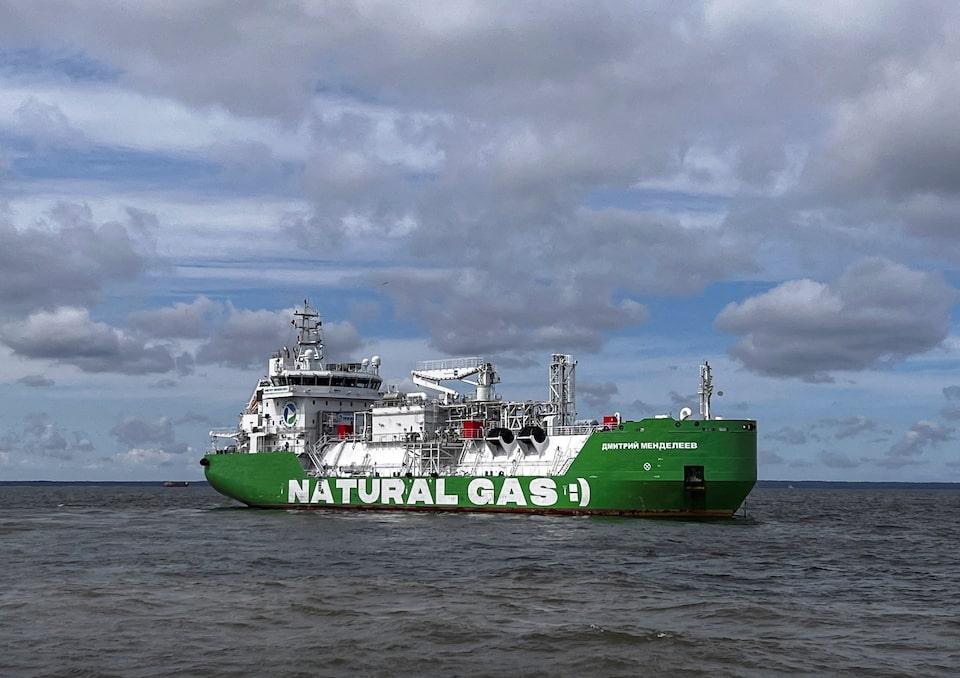
Several EU nations see Russian energy imports rise in 2025 They include France, Netherlands, Romania and Portugal Europe is still financing both sides in war - to fury of Trump Military aid to Kyiv countered by energy payments to Moscow Oct 10 (Reuters) - European nations, including France, are among the staunchest supporters of Ukraine in its fight against Russia. Several have also stepped up their imports of Russian energy which pump billions of euros into Moscow's wartime economy. Well into the fourth year of Russia's war against Ukraine, the European Union remains in the precarious position of financing both sides in the conflict. Its large deliveries of military and humanitarian aid to Kyiv are countered by commercial payments to Moscow for oil and gas. Sign up here. The bloc has reduced its reliance on once-dominant supplier Russia by roughly 90% since 2022. It nonetheless imported more than 11 billion euros of Russian energy in the first eight months of this year, according to a Reuters analysis of data from the Centre for Research on Energy and Clean Air (CREA), an independent research organization based in Helsinki. Seven of the EU's 27 member countries increased the value of their imports versus a year earlier, including five countries that support Ukraine in the war. France, for example, saw purchases of Russian energy rise 40% to 2.2 billion euros while the Netherlands jumped 72% to 498 million euros, the analysis shows. While LNG ports in countries like France and Spain serve as entry points for Russian supplies into Europe, the gas is often not consumed in those countries but instead sent onwards to buyers across the bloc. Vaibhav Raghunandan, EU-Russia specialist at CREA, described increased flows as "a form of self-sabotage" by some countries, given energy sales are the biggest source of revenue for Russia as it wages war against an European-backed Ukraine. "The Kremlin is quite literally getting funding to continue to deploy their armed forces in Ukraine," he said. TRUMP SLAMMED EUROPE'S LEADERS EU energy payments to Moscow have come under renewed scrutiny after U.S. President Donald Trump dressed down European leaders in his speech to the U.N General Assembly last month, demanding they cease all such purchases immediately. "Europe has to step it up," Trump said. "They can't be doing what they're doing. They're buying oil and gas from Russia while they're fighting Russia. It's embarrassing to them, and it was very embarrassing to them when I found out about it." The French energy ministry told Reuters that France's value of Russian energy imports rose this year as it served customers in other countries, without naming countries or companies. Gas market data suggest part of France's Russian imports are sent onwards to Germany, according to Kpler analysts. The Dutch government said while it supported EU plans to phase out Russian energy, until these proposals are fixed into EU law, it was powerless to block existing contracts between European energy companies and Russian suppliers. The EU, which has already barred most purchases of Russian crude oil and fuel, has announced plans to speed up a ban on Russian liquefied natural gas (LNG) to 2027, from 2028. LNG now represents the biggest EU import of Russian energy, accounting for almost half the value of total purchases, the data shows. The European Commission declined to comment on the 2025 imports data. The bloc's energy chief said last month the phased retreat from Russian fossil fuels was designed to ensure member countries don't face energy price spikes or supply shortages. The proposals, which envisage a total ban on all Russian oil and gas from 2028, mean European cash could be supporting the Kremlin's war effort for a year or more to come. Trump says U.S. oil and gas could replace lost Russian supplies, and many analysts say such a switch is possible, though it would boost Europe's dependency on U.S. energy in an era when Washington is using tariffs as a policy tool. "The EU has agreed to buy more energy from the U.S to accommodate the very strong U.S. demands to stop Russian imports," said Anne-Sophie Corbeau, a research scholar at Columbia University's Center on Global Energy Policy. "However, it is an illusion to think that U.S. LNG would replace Russian LNG on a one-to-one basis. U.S. LNG is in the hands of private companies, which do not obey orders from the White House and the European Commission, they optimize their portfolios." HUNGARY, BELGIUM AND OTHERS SEE BILLS RISE The EU has come a long way since 2021. In that year, before Russia's invasion of Ukraine, the bloc imported more than 133 billion euros of Russian energy, according to CREA data. In January-August this year, the EU's bill amounted to 11.4 billion euros - a fraction of per-war levels and a decline of 21% from the same period of 2024, the figures show. Hungary and Slovakia - which maintain close ties with the Kremlin and reject any notion of renouncing Russian gas - remain major importers, together accounting for 5 billion euros of that total. They wouldn't be affected by the planned EU sanctions on LNG, which requires the unanimous backing of member states, as they could still receive Russian pipeline gas until 2028. Hungary was among the seven countries to see the value of Russian energy imports rise this year, by 11%, according to the data. France and the Netherlands are joined by four other countries whose governments support Ukraine in the war: Belgium, which saw a 3% increase, Croatia (55%), Romania (57%) and Portugal (167%). Belgium's energy ministry said the country's increase was down to separate EU sanctions that took effect in March and banned "transshipments", or re-exporting, of Russian LNG to outside the bloc, meaning arriving LNG had to be unloaded in Belgium - a global hub - rather than being transferred from ship to ship to be transported onwards to a final destination. Portugal's energy ministry said the country only imported modest amounts of Russian gas and that flows over the course of the year would be lower than 2024. The Croatian and Romanian governments didn't respond to requests for comment on the data. The European Union's total imports of Russian energy since 2022, when Russia invaded Ukraine, have amounted to more than 213 billion euros, the CREA data shows. That dwarfs the amount the EU has spent on aid to Ukraine in the same period, even though it has been the country's biggest benefactor: the bloc has allocated 167 billion euros of financial, military and humanitarian assistance to Kyiv, according to the Kiel Institute, a German economic think-tank. ENERGY FIRMS STICK TO LONG-TERM CONTRACTS France's TotalEnergies (TTEF.PA) , opens new tab is among the biggest importers of Russian LNG into Europe, with other major players including Shell (SHEL.L) , opens new tab, Spain's Naturgy (GBANm.BA) , opens new tab, Germany's SEFE, and trading house Gunvor (GGL.UL). They all operate long-term contracts , opens new tab that last into the 2030s or 2040s. TotalEnergies told Reuters it was continuing deliveries from Russia's Yamal plant under contracts that could not be suspended without official EU sanctions in place. The company will maintain supplies as long as European governments deem Russian gas necessary for energy security, it added. Shell, Naturgy and Gunvor declined to comment on Russian imports. Ronald Pinto, gas research principal analyst at Kpler said companies were reluctant to risk incurring fines from breaching contractual commitments without the solid legal cover of an EU ban on Russian LNG. "In the end, market players are buying this LNG, not countries, and for the most part, they are sticking to their long-term contracts," he added. Pinto said flow dynamics studies suggested French imports of Russian LNG often flowed via pipeline to Belgium to then reach Germany, where there's strong demand from industrial users. He cautioned it was "impossible to track exactly the movement of gas molecules within the European gas grid". A spokesperson for SEFE, which operates 10% of Germany's gas transmission network, confirmed that the company imports Russian gas via France and Belgium. The German economy ministry told Reuters that it welcomed EU efforts to phase out imports of Russian fossil fuels, but that SEFE was bound by a long-standing contract to buy LNG from Russia's Yamal plant with no option to terminate the agreement. "Under the contract's take-or-pay terms, SEFE would have to pay for the agreed quantities, even if no delivery was taken," a ministry spokesperson said. "Non-acceptance would enable Yamal to resell these quantities, which would then provide double support to the Russian economy." https://www.reuters.com/business/energy/how-ukraines-european-allies-fuel-russias-war-economy-2025-10-10/
2025-10-10 04:49
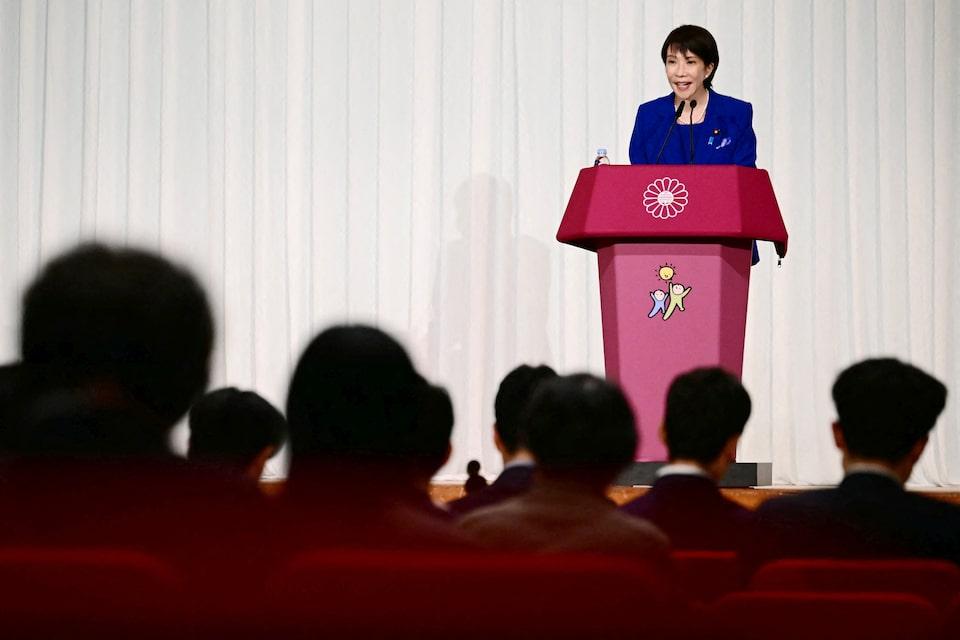
A look at the day ahead in European and global markets from Gregor Stuart Hunter: Japan's Sanae Takaichi, on track to be prime minister and the first female holder of the job, has set pulses racing in Tokyo lately but today she is encountering pushback on her earlier tough talk towards the central bank from the campaign trail. Sign up here. An avowed fiscal dove who last year called the Bank of Japan "stupid" for raising interest rates, Takaichi has reined in her previous criticism of the central bank - but is still urging the BOJ to "align" with the government's goal. One reason for her watered-down criticism may be the ongoing talks with the ruling Liberal Democratic Party's junior coalition partner Komeito. Another factor is the yen. Finance Minister Katsunobu Kato today voiced concern about "one-sided, rapid moves in the foreign exchange market" that have pushed the currency 3.5% weaker since Takaichi's election this weekend to 153 against the dollar, representing the yen's weakest level in eight months. Market fantasies of a second volley of Abenomics could meet with a reality check. Someone else who might prefer fewer headaches from the prime minister's office today is Emmanuel Macron, who is seeking to appoint his sixth in two years. In early European trades, pan-region futures were little changed. U.S. equity futures stabilised after declines for the S&P 500 on Thursday, rising 0.1%, while the U.S. dollar index edged down 0.1%, retracing gains after the political worries in Japan and France pushed the greenback to a two-month high. Asian stocks (.MIAPJ0000PUS) , opens new tab limped towards the end of the week on Friday, down 0.4%, as the sense of exhaustion on Wall Street lingered into early trading in the region, while commodity markets took a breather after their recent charge higher. Chinese stocks tumbled (.CSI300) , opens new tab after Beijing expanded its rare earths export controls on Thursday, tightening restrictions over the sector ahead of talks between Presidents Trump and Xi Jinping. Gold slipped, extending declines after snapping a four-day winning streak on Thursday, shortly after breaching the $4,000 mark for the first time. Spot gold was last trading down 0.3% at $3,964.50 per ounce. In energy markets, Brent crude slipped 0.4% to $64.95 per barrel, after Israel's government ratified a ceasefire with the Palestinian militant group Hamas on Friday, clearing the way to suspend hostilities in Gaza within 24 hours and free Israeli hostages held there shortly after that. Meanwhile, the Nobel Peace Prize is due to be awarded at 0900 GMT. Polymarket favours Venezuelan opposition leader María Corina Machado, with a 70% probability. Donald Trump is on 3%. Key developments that could influence markets on Friday: Debt auctions:UK: 1-month, 3-month and 6-month government debt auctions https://www.reuters.com/markets/europe/global-markets-view-europe-2025-10-10/