2025-10-02 13:28
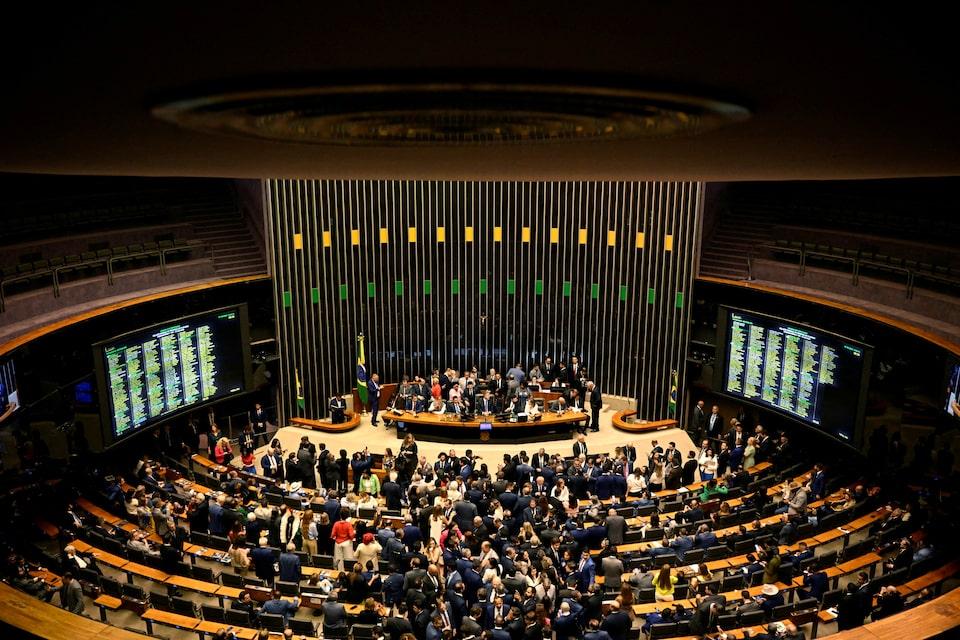
BRASILIA/SAO PAULO, Oct 2 (Reuters) - Brazil's government said it was confident the Senate would pass a bill expanding income tax exemptions for the middle class, after the measure cleared the Lower House late Wednesday. The proposal, a key initiative of President Luiz Inacio Lula da Silva, could boost his prospects ahead of next year's general election. Sign up here. Finance Minister Fernando Haddad told reporters he did not expect any hurdles in the Senate. "The bill is based on fiscal balance and seeks tax justice," Haddad told reporters on Thursday, hailing its unanimous passage by lawmakers. "I am certain the proposal will also enjoy broad support in the Senate," Lula wrote on X late Wednesday, adding that the measure would benefit 15 million Brazilian workers. Under the approved legislation, the monthly income tax exemption threshold would rise next year to 5,000 reais ($940), above three minimum wages, from the current 3,036 reais. To offset the revenue loss, the bill introduces a progressive minimum tax on monthly incomes above 50,000 reais and imposes a 10% withholding tax on dividends sent abroad, regardless of whether the recipient is an individual or a company. Beyond exempting monthly incomes up to 5,000 reais, the bill also eases the tax burden for earners up to 7,350 reais, covering much of Brazil's middle class, a key voter bloc that has turned conservative in recent years and that Lula's Workers Party hopes to lure back. The bill further mandates that, beginning in January, any dividend payment exceeding 50,000 reais in a single month from the same company to the same individual will be subject to a 10% withholding tax. Arthur Lira, the bill's sponsor in the Lower House, estimated that the expansion of tax exemptions would reduce revenue by 31.3 billion reais next year, offset by new income tax collections of 25.2 billion reais and 8.9 billion reais from foreign-sent dividend taxation. ($1 = 5.3203 reais) https://www.reuters.com/world/americas/brazil-confident-senate-will-back-taxing-wealthy-offset-middle-class-exemptions-2025-10-02/
2025-10-02 12:48
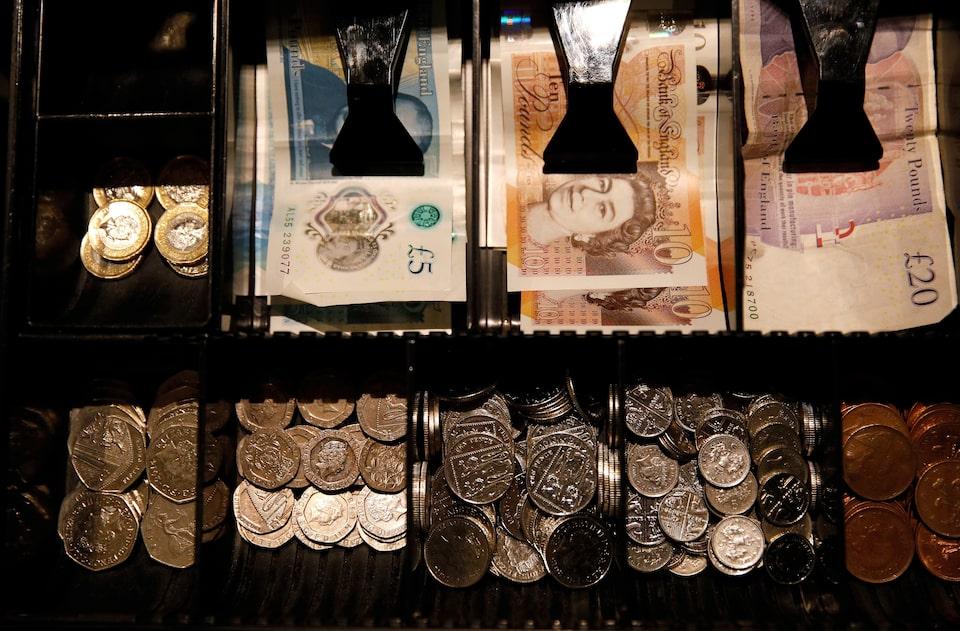
LONDON, Oct 2 (Reuters) - The pound steadied on Thursday, struggling to rise against a weakening dollar, as traders have started to assess the impact the UK November budget will have on the economy and sterling. While the dollar came under broad pressure after the U.S. government shut down over funding, adding to investor caution around U.S. assets, sterling steadied against the greenback at 1.3478, after touching a one-month low on Wednesday. Sign up here. It fell 0.13% against the euro to 87.15 pence. UK finance minister Rachel Reeves' annual budget is due in eight weeks and she will try to stay on course for her fiscal targets although higher taxes would weigh on an already fragile economy. There is "a signal of markets starting to price in some GBP risk premium ahead of the UK budget. While the (budget) announcement is only on 26 November, it’s widely expected that many bits of the budget will be released to the media in the weeks before," said ING strategist Francesco Pesole. Reeves is expected to raise taxes again, having ordered employers to pay around 25 billion pounds ($33.38 billion) more in social security contributions in her first budget last year. "Sterling looks set to consolidate near 1.35, but conviction is weaker. UK fiscal dynamics are front and centre as the Autumn Budget looms," said Ipek Ozkardeskaya, senior analyst at Swissquote Bank. "Higher borrowing costs are narrowing fiscal headroom, raising the risk of tax hikes, spending cuts — or both. That prospect doesn’t exactly bolster appetite for the pound," she said. In the meantime, a Bank of England monthly survey on Thursday said British businesses have the weakest hiring intentions since 2020 and expect the fastest consumer price inflation since early 2024. Investors are also focused on how the central bank will react to inflation fears. Money markets are pricing in two BoE rate cuts next year. Britain's inflation rate had become persistently high, although that did not mean further interest rate cuts were completely off the table, said interest rate-setter Catherine Mann. https://www.reuters.com/world/uk/sterling-pauses-traders-already-second-guessing-november-budget-2025-10-02/
2025-10-02 12:48
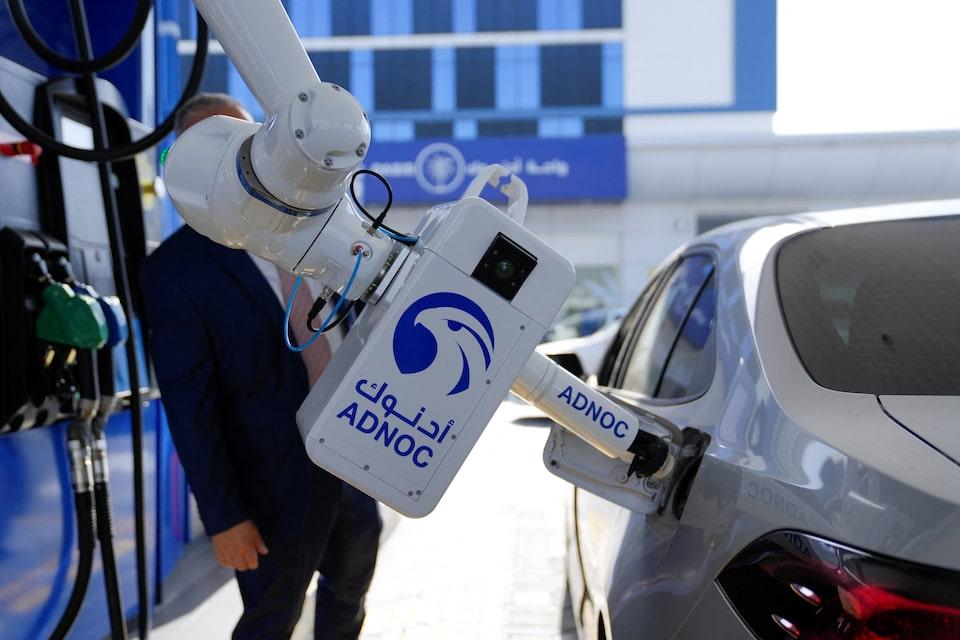
DUBAI, Oct 2 (Reuters) - Raising funds from oil and gas infrastructure assets, while retaining control, is now firmly part of the playbook of Gulf Arab national oil companies, helping them raise billions of dollars. Below are key facts about such deals. Sign up here. UAE'S ADNOC In 2019, ADNOC created a new subsidiary, ADNOC Oil Pipelines, and leased its interest in 18 pipelines for 23 years to a consortium including BlackRock and KKR, raising $4 billion. The investors acquired a 40% stake in the entity, with ADNOC retaining 60% and full operational control. The following year, in 2020, ADNOC formed ADNOC Gas Pipelines and sold a 49% stake to a group of six investors: Global Infrastructure Partners (GIP), Brookfield Asset Management, Singapore’s sovereign wealth fund GIC, Ontario Teachers’ Pension Plan Board, NH Investment & Securities, and Italy's Snam. This deal raised $10.1 billion. In April 2024, Abu Dhabi's Lunate acquired the 40% oil pipeline stake from BlackRock and KKR. Snam, which held an indirect stake in the gas pipeline entity, announced in January 2024 that it had sold its share to Lunate as well. Lunate is an Abu Dhabi-based alternative investment manager and is part of a business empire overseen by Sheikh Tahnoun bin Zayed Al Nahyan, the UAE's national security adviser. KKR on Tuesday bought a minority stake in ADNOC Gas Pipeline. SAUDI ARAMCO In 2021, Aramco created Aramco Oil Pipelines Co. and sold a 49% stake to a consortium led by EIG Global Energy Partners for $12.4 billion under a 25-year lease. Later that year, it formed Aramco Gas Pipelines Co. and sold a 49% stake to a group led by BlackRock and Hassana Investment Co. for $15.5 billion. In 2025, Aramco signed an $11 billion lease-and-leaseback deal for infrastructure around its Jafurah gas project with a consortium led by Global Infrastructure Partners, which BlackRock bought in 2024. Aramco retained majority ownership and operational control in all deals. Reuters reported in July that Aramco is looking to sell up to five gas-fired power plants that could raise around $4 billion, part of a broader effort to free up funds that could generate tens of billions of dollars. OMAN'S OQ In 2023, Oman sold a 49% stake in its gas pipeline unit, OQ Gas Networks, via an IPO, raising about $750 million. Cornerstone investors included Saudi Arabia's Public Investment Fund, Qatar Investment Authority and Belgium's Fluxys. OQ retained 51% ownership and operational control. BAHRAIN'S BAPCO Last year, Bapco Energies sold a minority stake in the Saudi-Bahrain oil pipeline to BlackRock's infrastructure fund. The deal marked Bahrain's first infrastructure monetization. Its value was not disclosed. Bapco retained majority ownership and operational control. KUWAIT PETROLEUM CORPORATION (KPC) KPC is exploring a lease-leaseback deal for its oil pipeline network in a deal that would mirror monetization models used by ADNOC and Aramco, KPC CEO Sheikh Nawaf Saud Nasir Al-Sabah has said. He did not disclose figures. Bloomberg had reported the deal involves 13 pipelines and could raise $5 billion to $7 billion and Centerview Partners is advising on the potential transaction, citing people familiar with the matter. KPC is expected to retain operational control. BlackRock will open an office in Kuwait and has appointed Ali AlQadhi to lead operations in the country, Kuwait's state news agency said in September. It was not immediately clear if BlackRock would be involved in KPC's potential deal and the fund previously declined to comment. https://www.reuters.com/business/energy/gulf-oil-giants-raise-billions-infrastructure-deals-2025-10-02/
2025-10-02 12:43
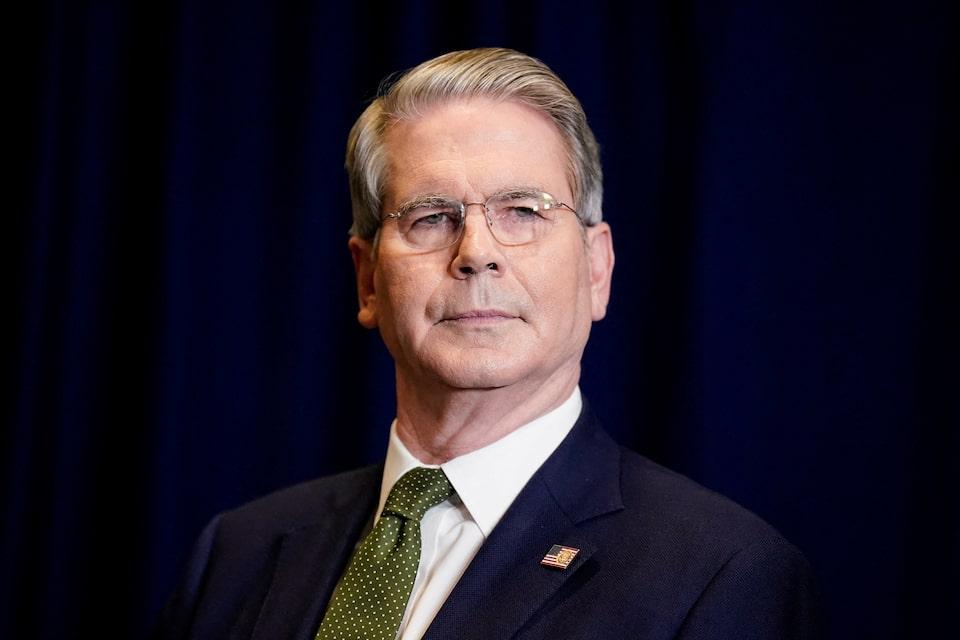
WASHINGTON, Oct 2 (Reuters) - The United States is not putting money into Argentina but only providing a credit swap line, Treasury Secretary Scott Bessent said on Thursday. "What the U.S. is doing, just to be clear: We are giving them a swap line. We are not putting money into Argentina, OK?" Bessent said in an interview with CNBC. Sign up here. U.S. President Donald Trump will meet , opens new tab with Argentina's President Javier Milei in two weeks, Argentina said on Tuesday, as Milei seeks to secure the credit swap line from the U.S. that has rankled some Republicans as the South American nation offloaded billions of dollars in soy to China. Earlier, Bessent said in an X post that he was looking forward to meeting Argentine Economy Minister Luis Caputo's team in Washington to advance discussions on options for financial support. "The @USTreasury is fully prepared to do what is necessary, and we will continue to watch developments closely," Bessent said in his post. The United States did not maintain strategic interests in the Western Hemisphere in recent decades and now has a chance to support Argentina, Bessent said. He praised Milei as having done a "fantastic job" and said he was sure the right-wing leader would do well in upcoming elections. "Now Argentina is a beacon down there. And there's a chance now for many other countries to come along - Bolivia, Ecuador, I think Colombia - after the elections. So what you don't want are these failed economic models," Bessent said. Argentina votes on October 26 in legislative midterm elections, in which Milei's party aims to gain seats to strengthen its minority position. https://www.reuters.com/world/americas/argentina-is-beacon-western-hemisphere-uss-bessent-says-2025-10-02/
2025-10-02 12:30
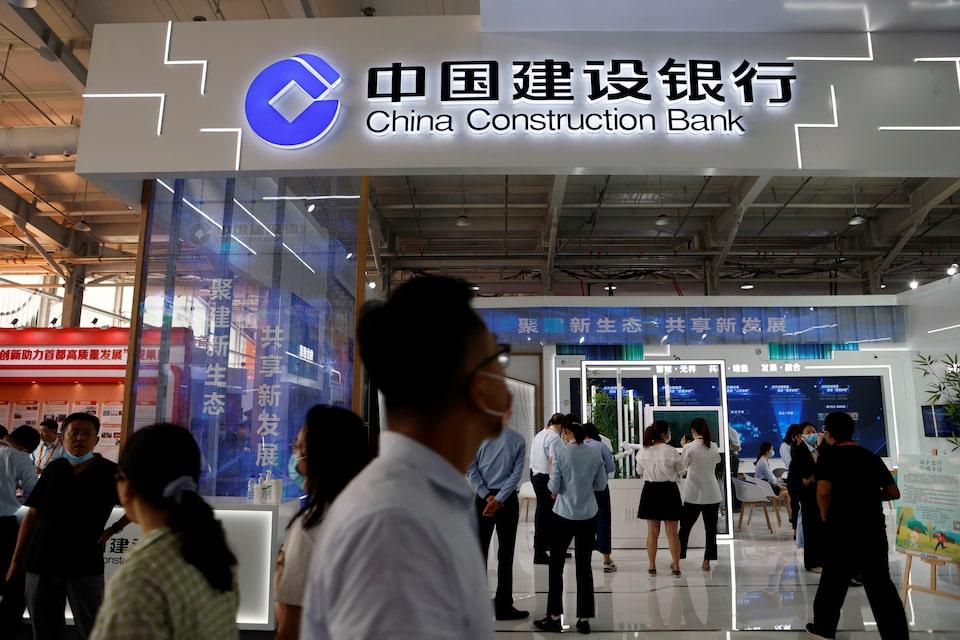
Chinese banks lent over $3.7 billion to Aramco’s $11 billion Jafurah gas project Beijing’s funds have passed on opportunity to participate in equity opportunity Pullback underscores US–China tensions, contrasting Aramco’s 2022 Saturn pipeline deal DUBAI, Oct 2 (Reuters) - China’s biggest state banks are lending billions to Aramco’s Jafurah gas project, though its funds have passed on the opportunity to invest in the venture, three people familiar with the matter said. Chinese banks provided more than a third of the financing for what will potentially be the biggest shale gas project outside of the U.S., with Bank of China, ICBC and China Construction Bank each lending about $1 billion and Agricultural Bank of China around $750 million, two people familiar with the matter said. Sign up here. Aramco (2222.SE) , opens new tab in August signed an $11 billion lease-and-leaseback agreement for the processing facilities with a consortium led by Global Infrastructure Partners, part of U.S. BlackRock (BLK.N) , opens new tab, the world's biggest investor. Chinese funds, some of which were given the chance to take part in the equity funding round for Jafurah, didn't participate, according to two people who cited U.S.-China trade tensions. Chinese fund absence contrasts with Aramco’s 2022 deal, when China’s Silk Road Fund and China Merchants Capital joined BlackRock and Keppel in a pipeline venture and shows how deteriorating U.S.–China trade relations are shaping deal-making in the Gulf. Aramco's Jafurah project is central to Saudi Arabia's ambitions to become a major global player in natural gas and to boost its gas production capacity by 60% by 2030 from 2021 levels. Under the terms of the deal, Jafurah Midstream Gas Company will lease processing assets to Aramco for 20 years, with Aramco retaining 51% and the GIP-led group holding 49%. BlackRock’s GIP has anchored the Jafurah equity group, joined by investors including Abu Dhabi sovereign wealth fund Mubadala and Abu Dhabi investment firm Lunate, according to four sources familiar with the deal. Aramco, BlackRock, Mubadala and Lunate declined to comment. The U.S. and Chinese governments did not respond to a request for comment. Bank of China, ICBC, China Construction Bank and Agricultural Bank of China also did not respond to a request for comment. Beijing has reportedly instructed state funds to steer clear of U.S. private-capital firms and even non-U.S. managers with American exposure, the Financial Times reported in April. Hong Kong-based CK Hutchison’s $22.8 billion plan to sell 43 ports, including two at the Panama Canal, to a BlackRock-MSC consortium earlier this year drew sharp criticism from Beijing. Now, under Chinese pressure, Hutchison is in talks to add shipping giant COSCO to the deal, even as U.S. President Donald Trump has called for curbing China’s involvement in the canal, sources and analysts told Reuters in July. China, the biggest buyer of Saudi oil, helped broker Riyadh’s 2023 rapprochement with Iran after years of hostility that had fuelled conflicts across the region. Beijing's role in the breakthrough shook up dynamics in the Middle East, where the United States was for decades the main dealmaker. https://www.reuters.com/business/finance/chinas-banks-lend-saudi-gas-project-while-its-funds-sit-out-blackrock-led-deal-2025-10-02/
2025-10-02 12:23
CAPE TOWN, Oct 2 (Reuters) - Senegal plans to start construction of a second oil refinery next year to boost domestic processing capacity, and is seeking $2 billion to $5 billion in investment for the scheme, the CEO of national refining company SAR said on Thursday. The country has received financing offers from potential investors including China, Turkey and South Korea, Mamadou Abib Diop told Reuters on the sidelines of an African energy conference in Cape Town. Sign up here. Abib Diop said feedstock for the new plant would come mainly from Senegal's offshore Sangomar oil and gas field, operated by Woodside Energy (WDS.AX) , opens new tab with national oil company Petrosen a minority shareholder. The field started producing last year with annual output of 34.5 million barrels, or some 4.6 million tons. SAR, West Africa's oldest refinery, processes 1.5 million tons of crude oil a year or around 30,000 barrels a day, but faces a domestic shortfall. "This gap we will cover with a project named SAR 2.0, which means that we will add a second refinery site in order to add 4 million tons (of processing capacity) per year," Abib Diop said. He said by a targeted 2029 production start-up date, SAR wanted to achieve self-sufficiency in domestic supply of petroleum products, as well as potentially exporting to elsewhere in the region. There is no final decision yet on where the new refinery will be located or if government would take an equity share in its development, Abib Diop told Reuters. "A lot of investors are coming and giving their interest about financing these projects," he added. https://www.reuters.com/business/energy/senegal-aims-start-construction-new-refinery-next-year-2025-10-02/