2025-10-01 21:24
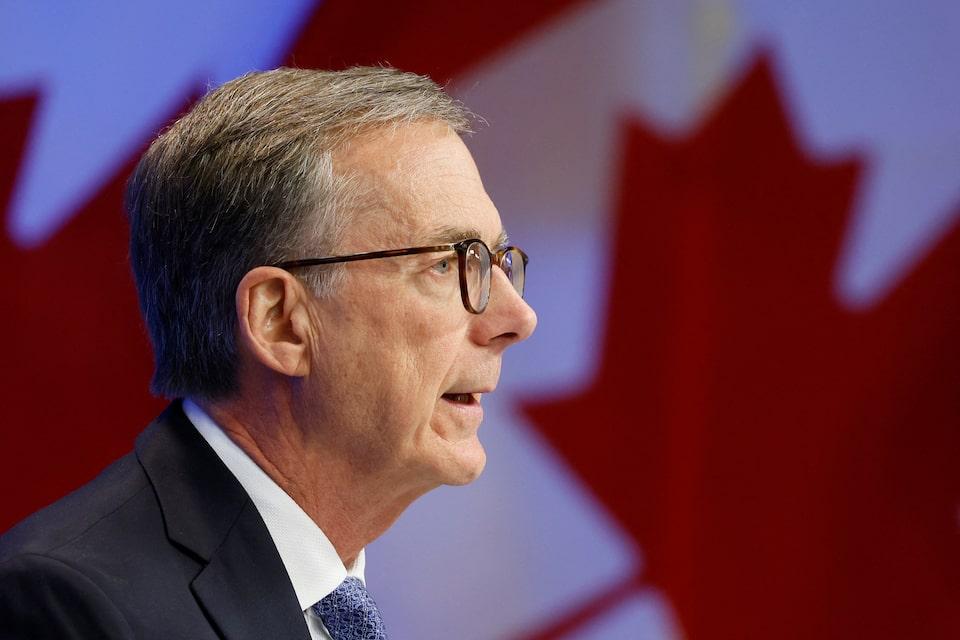
Oct 1 (Reuters) - The Bank of Canada expects to release baseline projections for the economy and inflation with its monetary policy report in October, its summary of deliberations released on Wednesday showed. The central bank had stopped giving definitive estimates for Canada's economy from the second quarter and instead opted to lay out a range of projections based on how U.S. tariffs impact the economy. Sign up here. Governor Tiff Macklem had based the decision to pause baseline estimates on extreme uncertainty over whether higher tariffs from U.S. President Donald Trump would increase inflation or slow economic growth. "Given the relative stability with respect to U.S. tariffs since the July Report, members expected they would be able to present a baseline projection for growth and inflation in the October Monetary Policy Report," the minutes of the meeting for the Sept. 17 rates decision showed. The BoC reduced its key policy rate to a three-year low of 2.5% last month, its first cut in six months, and said it would be ready to cut again if risks to the economy increased in coming months. Money markets are betting that the odds for another 25 basis point rate cut on Oct. 29 are just over 55%. The rate-setting committee acknowledged in their meeting that risks to inflation going up were subsiding. Most counter-tariffs on U.S. goods had been removed, the members believed, and they agreed that there was no longer a significant risk that the cost of tariffs would be passed on to Canadian consumers and create a knock-on effect to other prices. "Lower input costs from labor, shipping and materials would also likely mean lower inflationary pressures going forward," the minutes said. However, they agreed that the risks had not gone away. The Governing Council said that economic growth could slow further while the adjustment in business investment and jobs plays out. Members discussed how slower population growth and a softer labor market could dampen growth in household spending in the coming months. They also expected weak business investment to continue to weigh on economic growth in the second half of the year. But they agreed that consumption should continue to support growth going forward and that the economy was expected to grow roughly in line with the "current tariff scenario" outlined in the July monetary policy report. The impending renegotiation of the free-trade agreement between the U.S., Mexico and Canada was fueling some uncertainty, and this could impede recovery in business investment in the near term. (([email protected] , opens new tab)) Keywords: CANADA CENBANK/ https://www.reuters.com/world/americas/ahead-bank-canadas-sept-17-rate-decision-members-expected-they-could-present-2025-10-01/
2025-10-01 21:20
WASHINGTON, Oct 1 (Reuters) - The Group of Seven nations' finance ministers said on Wednesday they will take joint steps to increase pressure on Russia by targeting those who are continuing to increase their purchases of Russian oil and those that are facilitating circumvention. The G7 finance ministers also said they agreed on the importance of trade measures, including tariffs and import and export bans, in efforts to cut off Russian revenues due to Moscow's invasion of Ukraine. The joint statement followed a virtual meeting of the finance minister. Sign up here. WHY IT'S IMPORTANT Washington has called , opens new tab on its allies to impose tariffs on purchasers of Russian oil like India and China. While Trump has refrained from imposing additional tariffs on Chinese imports over China's purchases of Russian oil, his administration has targeted New Delhi with extra tariffs on imports from India. The G7 statement on Wednesday did not name India or China. KEY QUOTES "We will target those who are continuing to increase their purchase of Russian oil since the invasion of Ukraine and those that are facilitating circumvention," G7's statement said. "We will take concrete measures to significantly reduce, with the objective of phasing out, our remaining imports from Russia, including on hydrocarbon imports," it added. The G7 foreign ministers also said they were "giving serious consideration" to trade measures and other restrictions on countries helping finance Russia's war efforts. No country was identified in the statement. CONTEXT Russia's full-scale invasion of Ukraine began in February 2022. Moscow annexed Crimea in 2014. Russia has faced heavy sanctions from Western powers who have been considering ways to restrict financing for its war efforts. https://www.reuters.com/world/europe/g7-nations-say-they-will-target-those-continuing-increase-russian-oil-purchases-2025-10-01/

2025-10-01 21:11
Federal Railroad Administration requires inspections, installation of fire protection circuits SEPTA says railcars account for two-thirds of fleet NTSB called for railcars to be pulled from service pending determination of root cause of fires WASHINGTON, Oct 1 (Reuters) - The Federal Railroad Administration issued an emergency order on Wednesday requiring the Southeastern Pennsylvania Transportation Authority to immediately move to eliminate fire risks in its fleet of Silverliner IV railcars. The order follows an urgent safety recommendation by the National Transportation Safety Board following a series of five fires since February. Sign up here. FRA is ordering the railroad authority to implement safety-related actions to prevent the future risk of fires and other malfunctions on its system, which serves millions of riders yearly in the Philadelphia area. The order does not require the authority to stop using the cars, but mandates emergency mechanical inspections of each Silverliner IV railcar and installation of fire protection circuits at all critical locations on every Silverliner IV. The NTSB said the outdated design of the railcars and the agency's maintenance and operating practices represent "an immediate and unacceptable safety risk because of the incidence and severity of electrical fires that can spread to occupied compartments." The recommendations stem from the NTSB’s investigation into five fires in the authority's cars since February. The Southeastern Pennsylvania Transportation Authority, known as SEPTA, is the sixth-largest public transit system in the U.S. It provides service to five counties in the Greater Philadelphia area and connects to transit systems in Delaware and New Jersey. The NTSB called on SEPTA to suspend operation of the Silverliner IV fleet "until the transit agency determines the root causes of fires, develops and implements a plan to address these causes and identifies and corrects the organizational factors that have prevented effective risk mitigations." SEPTA General Manager Scott Sauer said the railcars are safe and that the authority has instituted more frequent and thorough inspections. SEPTA has 225 Silverliner IV railcars that are around 50 years old and represent two-thirds of its regional rail fleet but for financial reasons must keep using the cars. "We have had to continue to operate these trains long beyond the time they should have been retired. However, we are confident that these trains are safe," Sauer said, adding SEPTA is using the Silverliner IV less frequently than the rest of the fleet. Halting use of the cars would require a two-thirds cut in service and would cost $2 billion but the authority is in dire funding straits, he added. The cars are some of the oldest in the country, Sauer said, and the agency has developed a comprehensive set of 40 mitigation measures, including additional notifications and safety checks to personnel and audible alarms for fault lights. "We are confident that we can safely continue service with the Silverliner IV fleet," Sauer said. The NTSB cited fires involving the Silverliner IV in Levittown, New Jersey, Paoli, Pennsylvania, as well as incidents in Fort Washington, Pennsylvania on September 23 and Philadelphia on September 25. https://www.reuters.com/world/us/us-calls-urgent-action-address-pennsylvania-railcar-fire-risks-2025-10-01/

2025-10-01 21:06
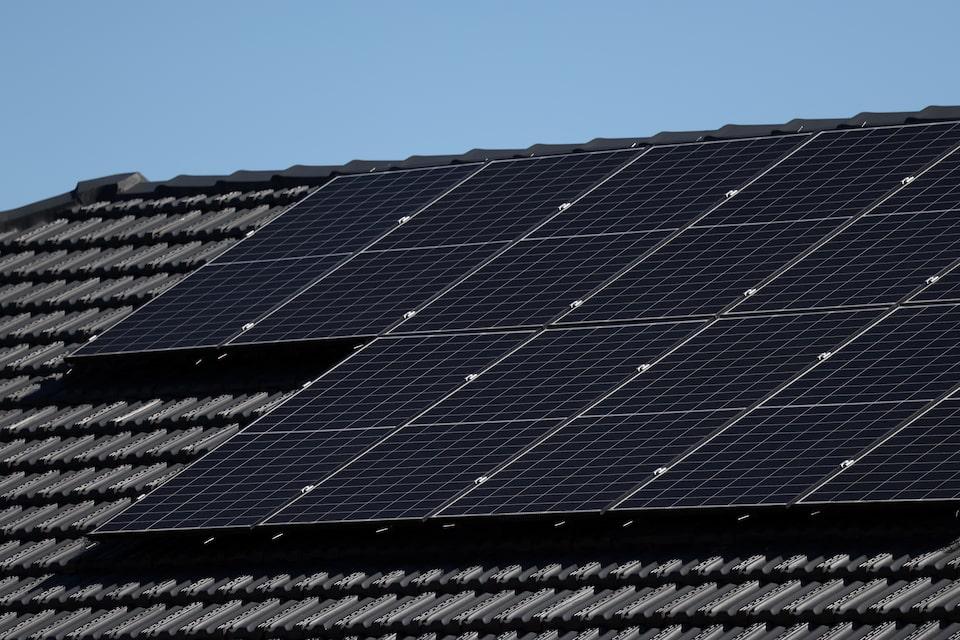
SINGAPORE, Oct 2 (Reuters) - Investors in Australia's battery energy storage sector are embracing the chaos of the spot markets, emboldened by the nation's moves to scale up its renewable energy infrastructure. As a result, investors in the sector have started to fund projects without fully secured long-term revenue, with the first two market-exposed battery projects securing funding this year. Sign up here. Analysts said more flexible financing would make more money available to the sector as growing adoption of renewable energy increases demand for storage. That demand has been aided by Australia's accelerated buildout of its solar and wind generation capacity and its closure of coal plants as it goes headlong toward a goal of 82% renewable energy by 2030. Australia's spot market is designed to give real-time demand signals, which help drive investment, analysts say, as volatility in pricing makes arbitrage - selling when prices rise and charging when they fall - more attractive. When energy prices are low, operators charge their batteries by buying power. When they are negative, they can get paid for charging. When they are high, they discharge the power and make a profit based on the difference between the price at which they bought and sold. Most other markets around the world depend on centralised payments for capacity being available to address sudden fluctuations in demand or long-term deals that pay steady revenue for power generated over the course of years. Just a few years ago in Australia, battery energy storage systems (BESS) projects without long-term contracts were funded entirely by equity and government support, according to Paul Martin, Mitsubishi UFJ Financial Group's (MUFG) (8306.T) , opens new tab regional head for project finance. But since 2023, sharp price swings and falling battery costs have driven A$12.6 billion ($8.4 billion) in BESS investments, according to the Clean Energy Council, a Melbourne-based industry group. Australia is Asia-Pacific's largest BESS market outside of China. Negative wholesale prices - when supply far exceeds demand and generators pay to avoid shutdowns - are becoming increasingly common in Australia, creating opportunities for battery operators to earn revenue by charging, said Zhi Qin Low, senior manager at Baringa Partners, a consultancy. "Today, BESS projects can secure financing of up to 100% merchant risk," Martin said, referring to financial exposure to projects that are wholly dependent on earnings from the market. MUFG was part of a group that provided A$722 million in financing for the first two phases of Queensland's Supernode BESS project, one of Australia's largest storage operations. GOLD RUSH "The gold rush is on now in Australia with batteries and banks are demonstrating strong appetite for BESS financing along with an increased willingness to consider various types of revenue models," noted one developer focused on renewables and BESS in Australia. The tilt toward merchant revenues can accelerate battery build-outs but pushes more risk onto investors and lifts financing costs, the developer and analysts say. While investor returns could potentially be higher than long-term deals, so are the risks - especially if incentives weaken following policy changes. "If you're looking to bank a project with no or very low contracted cash flows, the leverage would be fairly limited," the developer said. As part of Australia's renewable strategy, a total of 44 batteries with more than 10 GW of capacity are being built as the country races toward a target of 19 GW by 2030 - three times the current capacity of 3.1 GW, according to data from the CEC. Utilities are also looking to use old coal plant sites for battery projects to tap into existing grid connections, while batteries are being placed near data centres to secure reliable power, as power demand is expected to rise sharply after a long lull. MARKET-EXPOSED FINANCING Market-exposed batteries remain rare, but investors are now more eager as long-term contracts are not always readily available. "Substantial pools of investment capital, both debt and equity, are actively seeking deployment," Martin said. "This dynamic is driving investors to increasingly differentiate based on risk appetite." Some nine projects with a cumulative capital expenditure of more than $2.51 billion secured funding in the first half of this year, up 23% from a year earlier, according to the CEC. One of those was the first stage of the 250 MW Bungama BESS project being built by Carlyle Group-backed Amp Energy in southern Australia, with financing led by Commonwealth Bank of Australia (CBA). It was funded solely on the strength of its market-generated revenue. "The percentage of capacity that banks accept as merchant cash flows has gradually increased," said Neil Fraser, CBA's renewables head for the region. The Bungama and the 250-MW Calala BESS project in New South Wales were the first projects to secure merchant financing, though the funding mechanism was explored for other projects last year, according to George Prassas, an analyst at Aurora Energy Research. Most battery projects use long-term contracts with utilities or traders, with some market exposure, said Jean-Marie Verrier, Sumitomo Mitsui Banking Corp's (SMBC) regional renewables head. SMBC was among the lenders for the 250-MW Calala project, which will generate 60% of its revenue from the market and use Tesla's (TSLA.O) , opens new tab real-time trading platform Autobidder. "With more variable renewables coming into the system as coal exits, we do think arbitrage will become even more important as volatility is expected to increase," CBA's Fraser said. ($1 = 1.5006 Australian dollars) https://www.reuters.com/business/energy/australias-renewables-push-powers-gold-rush-bets-big-batteries-2025-10-01/
2025-10-01 21:02
ORLANDO, Florida, Oct 1 (Reuters) - Wall Street and world stocks rose on Wednesday, reversing early losses on worries over the U.S. government shutdown, as soft private sector U.S. employment data bolstered expectations of further monetary easing from the Federal Reserve. Not only did stocks rebound, the S&P 500 and MSCI All Country index hit new all-time highs. Investors' "buy the dip" mentality is undimmed, even though a creaking U.S. labor market will surely squeeze consumer demand and corporate profits eventually. But that's not for today, evidently. Sign up here. If you have more time to read, here are a few articles I recommend to help you make sense of what happened in markets today. Today's Key Market Moves Today's Talking Points: * U.S. government shutdown The 15th U.S. government shutdown since 1981 began on Wednesday after Republicans and Democrats failed to reach agreement on funding. Some 750,000 federal workers were ordered not to work, while others, such as troops and border patrol agents, were ordered to work without pay. Most shutdowns last only a few days, although the last one in President Donald Trump's first term was a record 35 days. A few days of patchy economic activity and data releases will have minimal market impact, but a month would be a different story, right? Perhaps. But it's worth noting that during that record 35-day shutdown, Wall Street's main three indices rose between 11% and 13%. * Like a broken record The S&P 500, MSCI All Country equity index, gold and silver all traded at new peaks on Wednesday, and the Dow notched yet another closing record high. Despite mounting evidence of stretched positioning, valuations, and sentiment, nothing seems to be standing in the way of this juggernaut. The common thread is the prospect of more Fed rate cuts. Traders continue to lean that way, with another 50 bps of cuts this year almost fully in the cards. But it's hard to see more easing being priced absent a sudden deterioration in economic conditions. And that would surely prompt investors to reassess. * U.S. Supreme Court and the Fed Federal Reserve Governor Lisa Cook , opens new tab will remain in situ at least for the rest of this year, after the U.S. Supreme Court on Wednesday said it will listen to arguments for her dismissal in January. That means she will be able to vote at the Fed's October and December policy meetings. Trump is trying to remove Cook over alleged mortgage fraud - the first-ever bid by a president to fire a Fed official - part of a multi-pronged challenge to the Fed's independence. Trump nominee Stephen Miran recently got onto the Fed board, but it's not all going the president's own way. What could move markets tomorrow? Want to receive Trading Day in your inbox every weekday morning? Sign up for my newsletter here. Opinions expressed are those of the author. They do not reflect the views of Reuters News, which, under the Trust Principles , opens new tab, is committed to integrity, independence, and freedom from bias. https://www.reuters.com/business/global-markets-trading-day-graphic-2025-10-01/
2025-10-01 20:41
Oct 1 (Reuters) - U.S. pipeline operator Williams Companies (WMB.N) , opens new tab said on Wednesday it plans to invest about $3.1 billion in two projects to supply power to data centers. The move takes the total capital committed to such 'power innovation' projects to about $5 billion, the company said in a filing. Sign up here. Power consumption is expected to hit record highs in 2025 and 2026, driven by a surge in demand from data centers used for artificial intelligence technologies, according to the U.S. Energy Information Administration (EIA). This rising demand is prompting utilities to add billions to capital plans to upgrade the grid and related infrastructure. Williams on Wednesday said it would raise its 2025 capital spending plan by $875 million to between $3.45 billion and $3.75 billion. The Tulsa, Oklohoma-based company did not disclose the locations of the two projects in the filing. It expects the transaction to close in the first half of 2027. https://www.reuters.com/business/energy/williams-companies-invest-31-billion-two-power-projects-2025-10-01/


