2025-09-26 10:15
MUMBAI, Sept 26 (Reuters) - The Indian rupee hit an all-time low and remained consistently under pressure this week, hurt by worries over how U.S. tariffs and changes in immigration policy could dent trade, remittance and foreign portfolio flows into India. The rupee closed at 88.7175 against the U.S. dollar on Friday, little changed on the day but down 0.7% on the week, its steepest weekly fall since late August. Sign up here. At the beginning of the week, the rupee was troubled by a sharp hike in U.S. visa H1-B fees which could dent long-standing business models of local IT firms. A fresh tariff salvo from the White House - 100% levy on branded and patented drugs - towards the end of the week sparked headwinds as well. India's benchmark equity indexes, the BSE Sensex (.BSESN) , opens new tab and Nifty 50 (.NSEI) , opens new tab ended the week lower by 2.5% each, their steepest drop since late-March. Market interventions by the Reserve Bank of India helped shield the rupee from steeper losses this week even as it hit an all-time low of 88.7975 earlier on Tuesday. Traders and analysts reckon that the RBI may be open to allowing the rupee to weaken gradually but is unlikely to let volatility rise sharply. "The RBI’s tolerance for a weaker INR does not mean the central bank is absent from the FX market. It has been selling FX reserves, but largely to contain market volatility," analysts at ANZ said in a note. A weaker spot INR coupled with low domestic inflation mean the currency’s competitiveness has improved, which can mitigate the impact of higher tariffs to a limited extent, the note said. India's central bank will release data on the country's foreign exchange reserves (INFXR=ECI) , opens new tab on Friday, which were last at nearly $703 billion as of September 12 - in touching distance of their all-time peak. Elsewhere, the focus is on U.S. personal consumption expenditure (PCE) data due later in the day for cues on the future path of U.S. policy rates. The dollar index was last steady at 98.4. https://www.reuters.com/world/india/rupee-logs-worst-week-month-us-visa-tariff-policies-sting-2025-09-26/

2025-09-26 10:04
US employment report for September due next Friday Potential shutdown could delay government data, including jobs report S&P 500 on track for best Q3 performance since 2020 NEW YORK, Sept 26 (Reuters) - Next week's U.S. jobs data may need to tread a fine line for Wall Street, revealing a cooling labor market that supports further interest rate cuts without fueling fears about a recession. While stocks have edged lower this week, U.S. equity indexes remain near record highs after a relentless rally that has put the benchmark S&P 500 (.SPX) , opens new tab on pace for its best third-quarter performance since 2020. Sign up here. Some investors say the market's ascent is making stocks vulnerable to any disappointments. Complicating the release of the jobs data is the potential for a U.S. government shutdown next week that, should it come to pass, could mean the employment report is not released as scheduled next Friday. The jobs data will help show whether the labor market is "simply experiencing a soft patch," said Mark Luschini, chief investment strategist at Janney Montgomery Scott. "Nobody is expecting to see a blockbuster number here," Luschini said. "At the same time, were it to come in negative, it would confirm suspicions that perhaps the labor market is deteriorating rather rapidly, which obviously begs the question could we actually be at the throes of a potential recession." The report is expected to show non-farm payrolls rose by 39,000 in September, according to a Reuters poll of economists, after an increase of 22,000 the prior month. The unemployment rate is estimated to be 4.3%. The Federal Reserve this month cut interest rates for the first time this year after signs of struggle in the labor market. The central bank is expected to enact another standard quarter-percentage point rate reduction at its next meeting at the end of October and perhaps one more at its last meeting of the year in December. Expectations of such monetary easing, including more cuts in 2026, have helped drive the latest leg of a rally in which the S&P 500 has posted 25 record closing highs over the past three months. With inflation still elevated, however, investors are wary that a strong employment report could lead the Fed to slow down its pace of cuts. The Fed raised rates from March 2022 to July 2023 to get inflation under control. Fed Chair Jerome Powell this week said near-term inflation risks were "tilted to the upside" as he noted a "challenging situation" facing the central bank. "What people are looking for, is if jobs come in a lot more benign...are we looking at just maybe one cut or no cuts for the rest of the year?" said Marta Norton, chief investment strategist at retirement and wealth services provider Empower. Ahead of the jobs data next week is a deadline for congressional Democrats and Republicans to come to an agreement to fund the government and avoid a partial shutdown. While investors have tended to shrug off past shutdowns, such an event this time could cause more angst in markets. One factor is elevated stock valuations, with the S&P 500 now on track for its third-straight year of double-digit percentage gains. The index was last trading at 22.8 times expected 12-month earnings for its constituents, according to LSEG Datastream. That is around its highest level in five years and well above its 10-year average of 18.7. "Valuations are at extremes," Norton said. "It means a low immune system for any sort of risk that's out there." https://www.reuters.com/business/wall-st-week-ahead-investors-look-jobs-data-support-rate-cut-path-pricey-stock-2025-09-26/

2025-09-26 08:31
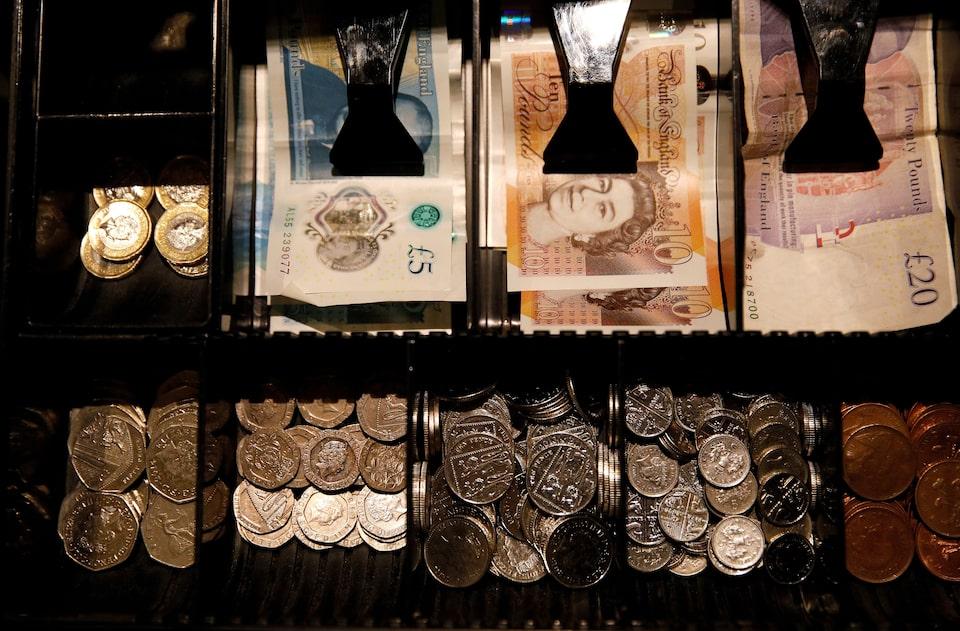
Pound heads for biggest weekly drop in a month on UK fiscal concerns, strong dollar Rising gilt yields reflect investor concerns over UK economy Finance Minister Reeves faces pressure ahead of November budget LONDON, Sept 26 (Reuters) - The pound headed for its biggest weekly decline in a month on Friday, under pressure from mounting concerns about the outlook for Britain's long-term finances and from a resurgent dollar, which got a lift from surprisingly strong U.S. growth data the previous day. A shock increase in Britain's public borrowing earlier in the week, coupled with evidence of slowing momentum for both British factories and services, and a weak auction of government debt had already created a negative backdrop for the pound and gilts. Sign up here. When U.S. data landed on Thursday showing the world's largest economy expanded more quickly than expected in the second quarter of this year, while a measure of the labour market also painted a brighter picture, the dollar rallied, as investors reassessed how quickly they believe the Federal Reserve may need to cut interest rates. The knock-on effect was a sell-off in major currencies, including the pound, and in government bonds, which pushed up yields. On Friday, sterling was up 0.1% at $1.3355. But it has lost almost 1% this week, on the heels of last week's 0.6% decline, bringing losses for the month to 1.1%. Highlighting the concern among investors about the bigger picture for British financial health was Thursday's sharp rise in gilt yields , as that on the benchmark 10-year rose 8.7 basis points to 4.775%, the most in a day since early July, while the pound tumbled. Rising bond yields would normally support a currency, as investors jump on the possibility of securing higher returns. Rising yields and a falling currency tend to reflect crumbling confidence in the economy and the ability of the government to keep its finances on track. "If you've set out fiscal rules and use them as a target rather than a hard limit to be avoided, then fiscal policy is not going to be dictated by the Treasury, it's going be dictated by bond markets," Monex strategist Nick Rees said. "It's going to lead to instability and uncertainty, and it's not sterling positive. The main story in the short term is going to be the Fed rate cuts and the UK budget." By Friday, gilts had steadied, leaving the 10-year yield at 4.747%, set for a 2.6-bps rise this week. British finance minister Rachel Reeves presents her budget in November, which is widely expected to contain more tax rises, as she fights to stick to her own fiscal rules and retain the confidence of bond investors. The pressure on Reeves has grown in recent weeks, as British growth has faltered, borrowing costs have risen and high inflation has limited the Bank of England's ability to cut rates. https://www.reuters.com/world/uk/pound-sees-biggest-weekly-fall-since-july-uk-fiscal-macro-worries-collide-2025-09-26/
2025-09-26 08:30
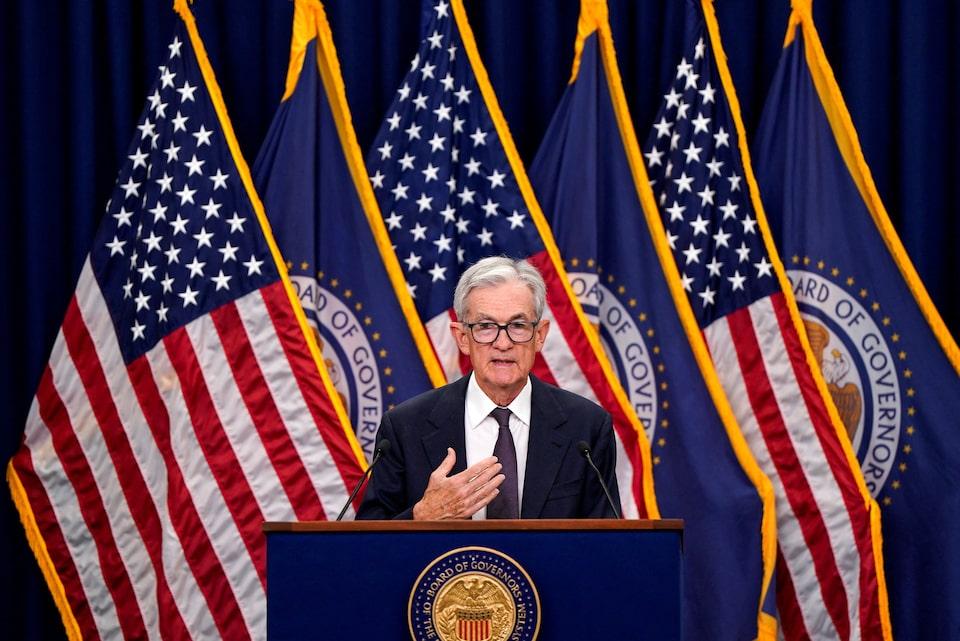
Sept 26 (Reuters) - As markets gear up for the home stretch of an eventful year, key data in the U.S. and in Japan is due, while the week is set to be still dominated by Washington's trade measures as policymakers from India to Africa grappled with the fallout. Here's all you need to know about the week ahead in global markets from Lewis Krauskopf in New York, Kevin Buckland in Tokyo, Jaspreet Kalra in Mumbai, Duncan Miriri in Nairobi and Marc Jones in London. Sign up here. 1/THE END IS NEAR The final leg of what's been a remarkable year for markets - and everyone else for that matter - is nigh. Traders enter the last quarter with a semi-warning from Fed chief Jerome Powell about high stock market valuations ringing their ears, but with rates expected to start dropping again soon, is anyone going to pay any notice? After another 7% rise in the third quarter, world stocks are now up close to 17%, or $15 trillion in hard cash terms, in 2025, although gold and Chinese tech remain the biggest winners, both adding almost 40%. The next few months also have some key events coming up. The Fed is expected to move again, China holds its plenum gathering of top party leaders next month, U.S. President Donald Trump and China's President Xi Jinping are expected to get together at some point and there are IMF World Bank meetings and a UN Climate Summit to look forward to, too. 2/JOBS DATA NEXT - SUPPOSEDLY U.S. jobs data is due on October 3, and - following a number of downbeat releases - is expected to show September non-farm payrolls increased by 39,000, with the unemployment rate at 4.3%, according to a Reuters poll. The numbers are one piece of key data ahead of the end-October Fed meeting, after policymakers delivered their first 2025 rate cut earlier in September. Expectations are high for another one, but a hot jobs number could scuttle that, while a negative figure might spark fears that the world's biggest economy is in more significant trouble. Of course, that's if the jobs data arrives at all. The U.S. federal government could be heading for a partial shutdown, should congressional Democrats and Republicans fail to agree on how to fund the government in the coming days, raising concerns data will not be released as scheduled. 3/A POLICY SIGNPOST Early October could be pivotal for the path of Bank of Japan policy. Wednesday brings the Tankan survey of corporate sentiment, a closely watched economic indicator that has garnered additional attention after policy board member Junko Nakagawa called September's edition "extremely important" in a speech last month. Markets are already pondering the odds of an October hike, after September's hawkish pivot, so the timing of speeches by influential Deputy Governor Shinichi Uchida and Governor Kazuo Ueda in the two days following the Tankan has raised eyebrows. Nomura analysts surmise it's been coordinated to potentially prepare the market for tightening, should the Tankan be bullish. If so, care is warranted in the messaging, with the stock market perched at all-time peaks and Japan government bond yields at their highest since 2008. 4/DOVISH TILT LOADING There's no shortage of push and pull factors for India's central bank when it publishes its rates decision on Wednesday, after its first meeting since Washington enforced its punitive tariffs. There's the drag from steep U.S. tariffs and higher visa fees, set against government and central bank measures to sustain growth. Indian goods face the highest U.S. import levies in Asia, while a sharp hike in H-1B visa charges has cast a cloud on the IT sector, a key driver of exports, jobs and household spending. Equities have lagged peers, while the rupee hit a record low recently and is down 3.5% year-to-date, despite the soft dollar. Most economists expect the RBI to hold, though some see room for a 25-basis-point cut. It's a fine-margin decision for the RBI: load up an insurance cut, or keep powder dry in case of further turbulence ahead. 5/DEAL OR NO DEAL A duty-free trade agreement between the United States and eligible African nations is set to lapse on September 30, without any clear word from the U.S. government on its future. The African Growth and Opportunity Act, or AGOA, offers more than 30 African economies a key market for their exports, helping to boost investments and much-needed job creation. African officials have been trooping to Washington in recent months to push for the extension of the deal, underscoring its importance to countries such as Kenya and South Africa. However, lobbying efforts have not elicited any formal commitments from U.S. officials, compounding the situation for a region that is already reeling from Trump's imposition of trade tariffs. Lesotho, a key AGOA beneficiary, reported Washington could offer a short-term extension of the deal. Many in the region will be hoping the U.S. government will confirm that by the time the deal lapses on Tuesday. https://www.reuters.com/business/take-five/global-markets-themes-graphic-2025-09-26/
2025-09-26 08:08
JAKARTA, Sept 26 (Reuters) - Indonesia's Finance Minister Purbaya Yudhi Sadewa on Friday said he did not order state banks to raise their U.S. dollar deposit rate to 4%, and that the government was still considering what incentives to offer to bolster the domestic U.S. dollar supply. Four Indonesian state lenders earlier this week announced that they will raise their U.S. dollar deposit rate starting from November 5. Sign up here. The decision has been criticised by some economists as counterproductive to efforts to stabilise the rupiah currency, which has been under pressure in the past week amid growing investor concerns about the credibility of Indonesia's fiscal policy and the independence of its central bank. "I have never ordered banks to raise deposit rates like that," Purbaya told a press conference, adding that the central bank governor Perry Warjiyo, with whom the minister had just had lunch, also did not know why the state banks made the move. "There was a discussion, I told you before, that there will be an incentive for foreign currency holders to move their foreign currency funds from Singapore to Indonesia," he said. "But this discussion is still ongoing and risks are being calculated." He said he would not intervene in the operations of state banks, but he would "advise the banks to correct" their policy. Among the critics of the state banks' decision was former finance minister Chatib Basri, who wrote on the X social media platform that it could encourage customers to keep their funds in U.S. dollars rather than rupiah. Basri, who is also a former chairman of state-owned Bank Mandiri, said this could lead to higher rupiah interest rates and increase demand for dollars, further weakening the rupiah exchange rate. The rupiah hit 16,790 against the U.S. dollar earlier on Friday, its lowest since April, but has since regained some of its losses. Before the market opened on Friday, Bank Indonesia Governor Warjiyo said in a statement that the central bank would "boldly" use all available instruments to defend the currency. https://www.reuters.com/world/asia-pacific/indonesia-government-did-not-order-state-banks-raise-usd-deposit-rate-finance-2025-09-26/

2025-09-26 07:27
OSLO, Sept 26 (Reuters) - Norway's DNO (DNO.OL) , opens new tab has no immediate plans to ship oil through the Iraq-Turkey pipeline that is about to restart after a two-year suspension, the company said on Friday, and will continue to sell directly to Iraq's semi-autonomous region of Kurdistan. Two Iraqi oil ministry officials told Reuters on Thursday the link from Iraq's Kurdistan region to Turkey will resume operations on Saturday following a tripartite agreement between the federal government, the Kurdistan Regional Government and eight oil companies. Sign up here. DNO, the largest international oil producer in the KRG, did not sign the deal because it wanted more clarity on how outstanding debts would be paid. DNO shares fell 1.9% shortly after the opening on the Oslo stock exchange. "DNO is pleased that exports of oil from the Kurdistan Region have been unlocked and will now flow to international markets," Executive Chairman Bijan Mossavar-Rahmani said in a statement. "We have elected not to engage directly in exports at this time and will continue to sell our oil on a monthly, cash-and-carry, basis to our buyers at a per barrel price in the low USD 30s," he added. DNO operates the Tawke licence that includes the Tawke and Peshkabir fields. It has a 75% stake in the licence and its partner Genel Energy (GENL.L) , opens new tab has the remaining 25%. DNO and Genel will be left with about 30,000 barrels of oil per day after delivering some 38,000 bpd to the Kurdistan Regional Government for exports, DNO said. Although DNO has not signed the tripartite agreement, its buyers could still ship its oil through the export pipeline. "We understand our buyers have set up their own arrangements to place oil purchased from us into the export pipeline, a move we welcome as it supports the larger export project," Mossavar-Rahmani added. https://www.reuters.com/business/energy/norways-dno-will-not-use-newly-opened-pipeline-iraqs-kurdistan-2025-09-26/