2025-09-26 04:47
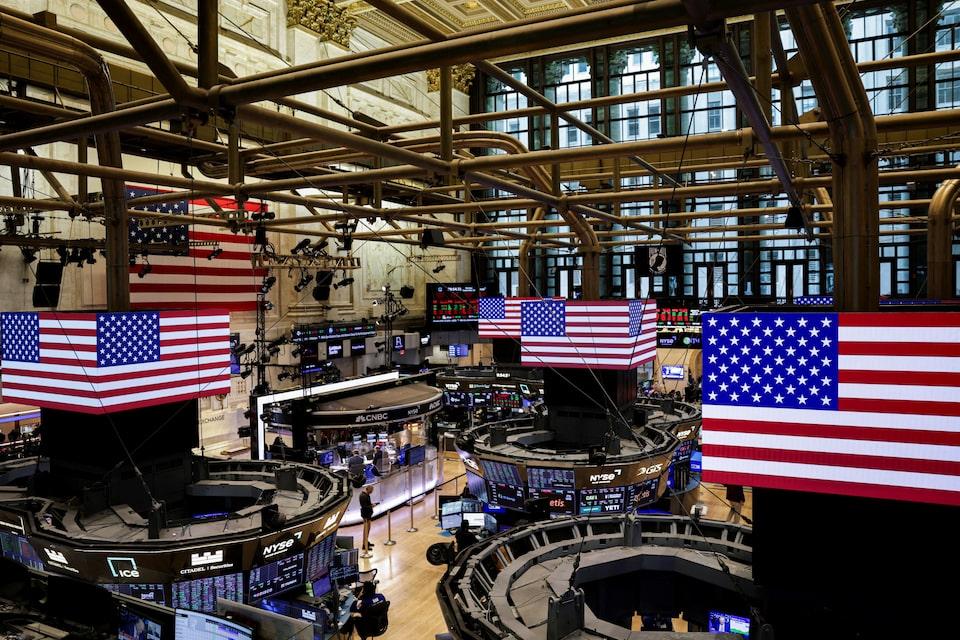
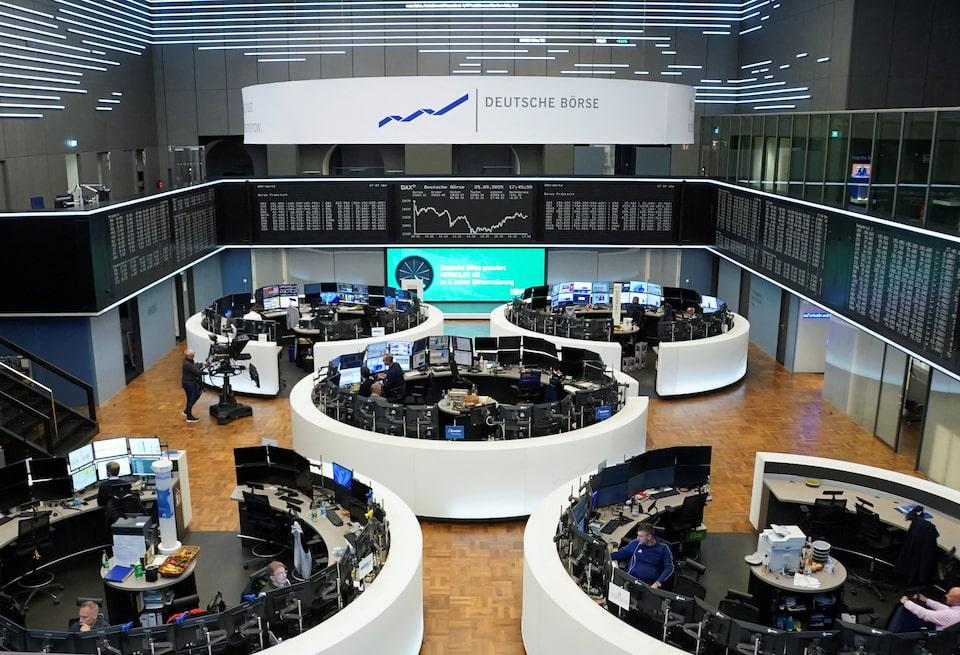
A look at the day ahead in European and global markets from Rae Wee Just as the word was slowly fading away from the memories of investors, it has been foisted upon them again. Asian share markets slumped on Friday after U.S. President Donald Trump made his latest tariff salvo, and attention now turns to Europe. Sign up here. Trump on Thursday unveiled punishing tariffs on a broad range of imported goods, including 100% duties on branded drugs and 25% tariffs on heavy-duty trucks, set to take effect from October 1. He also said he would start charging a 50% tariff on kitchen cabinets and bathroom vanities and a 30% tariff on upholstered furniture. It remains unclear if the new levies would apply on top of national tariffs or whether economies with trade deals such as the European Union would be exempted. The Trump administration's trade deals with Japan, the EU, and the United Kingdom include provisions that cap tariffs for specific products such as autos, semiconductors and pharmaceuticals, which means the new higher national security tariffs likely won't raise them above agreed rates. Global drugmakers have also preemptively scrambled to shore up their U.S. manufacturing capacity and domestic inventory. The new 100% tariff on any branded or patented pharmaceutical product will apply to all imports unless the company has already broken ground on building a manufacturing plant in the United States, said the president. He also said companies such as Paccar-owned (PCAR.O) , opens new tab Peterbilt and Kenworth and Daimler Truck-owned (DTGGe.DE) , opens new tab Freightliner could benefit from the tariffs on heavy-duty trucks. The reaction in Asia has been a heavy selloff in drugmakers across the region, while an index tracking Chinese-listed furniture makers (.CSIH30048) , opens new tab slid more than 1%. As it is, global equities had already been struggling on the back of receding U.S. rate cut expectations after a slew of data on Thursday underscored resilience in the world's largest economy. That threw into question the need for more aggressive policy easing by the Federal Reserve, with traders moving quickly to scale back bets of future rate cuts. Markets are now pricing in just about 39 basis points worth of easing by December this year, compared to more than 40 bps earlier this week. Fed policymakers have largely signalled restraint in cutting rates further, citing concerns that tariffs could push inflation up. But the central bank's newest policymaker, Stephen Miran, continued on Thursday to press for sharp U.S. interest-rate cuts to prevent a labour market collapse. Investors will get a better read on the U.S. economy later on Friday with the release of the PCE data, where expectations are for the core PCE price index to have risen 0.2% in August, compared with July's 0.3% increase. Key developments that could influence markets on Friday: - US PCE data (August) - Fed's Barkin, Bowman speak https://www.reuters.com/world/china/global-markets-view-europe-2025-09-26/
2025-09-26 04:37
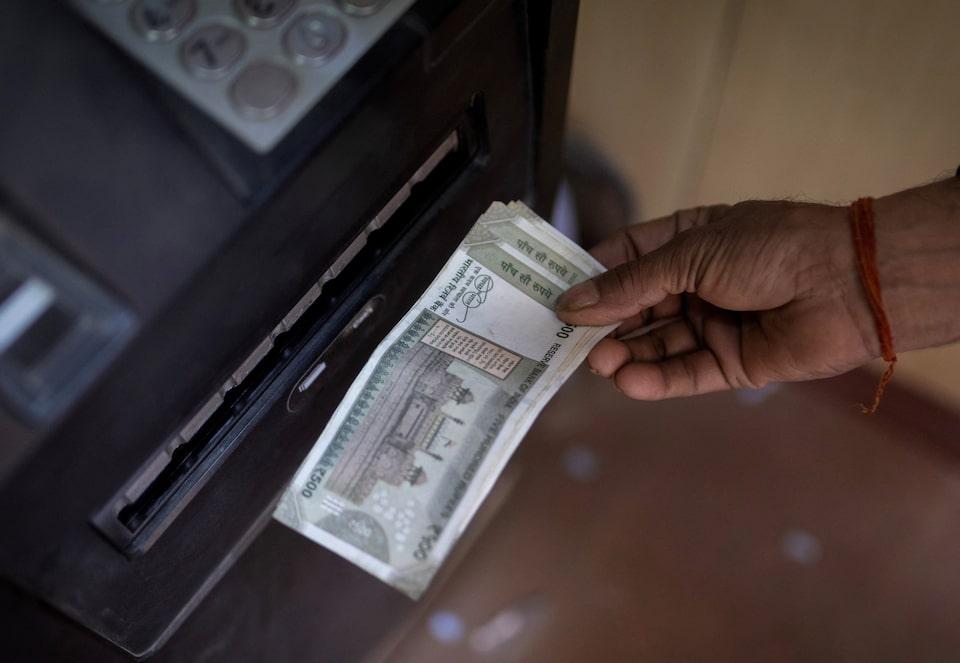
MUMBAI, Sept 26 (Reuters) - The Indian rupee managed to hold above its all-time low on Friday, supported by likely central bank intervention, even as steep U.S. tariffs on branded drug imports compounded lingering concerns over a hit to trade and foreign portfolio flows. The domestic currency was expected to open near and dip past its lifetime low of 88.7975 at the open, which it avoided largely due to intervention from the Reserve Bank of India, traders said. Sign up here. The rupee was last hovering near the 88.70 mark, little changed on the day. The RBI likely intervened in the non-deliverable forwards (NDF) market and the local OTC spot market to support the rupee, seven traders told Reuters. U.S. President Donald Trump unveiled a new round of tariffs on Thursday, including a 100% duty on any branded or patented pharmaceutical products. Indian pharmaceutical stocks (.NIFPHARM) , opens new tab fell 1.7%, dragging the benchmark Nifty 50 (.NIFTY) , opens new tab index nearly 0.4% lower. IT stocks (.NIFTYIT) , opens new tab, in the spotlight after the U.S. sharply hiked fees on H1-B visas late last week, were down more than 1% as well. Amid the lingering worries about how tariffs could cast a pall over India's growth outlook, foreign investors have sold over $1.5 billion worth of local stocks on a net basis in September so far, hurting the rupee. "Unless the currency rises above 88.65 on an hourly closing basis, downside bias will prevail. If it rises above 88.58, then we could see a reversal of some of the recent declines. Today's move would be completely directed by the RBI," a trader with a private bank said. The RBI, for now, "appears inclined to keep USD/INR below 88.80, but if the pressure persists, I don't think they will hold the level indefinitely," an FX trader at a Singapore-based hedge fund said. "The rupee's movements are reflecting pipeline risks for trade numbers," Radhika Rao, senior economist at DBS, said in a note. "There is wariness over further punitive action if an impending U.S. plan to levy charges on outsourcing to foreign countries (through the HIRE Act) is passed," Elsewhere, the dollar strengthened in light of stronger-than-expected U.S. economic data as traders pared bets of sharp U.S. rate cuts. Against a basket of peers, the dollar was last at 98.4, after rising 0.6% on Thursday. Asian currencies were trading modestly weaker. https://www.reuters.com/world/india/rupee-averts-record-low-cenbank-intervention-tariff-clouds-darken-2025-09-26/

2025-09-26 04:37
MUMBAI, Sept 26 (Reuters) - The Indian rupee is likely to stay under pressure on Friday and could slip to an all-time low after U.S. President Donald Trump unveiled a new round of tariffs, including a 100% duty on any branded or patented pharmaceutical products. The 1-month non-deliverable forward indicated the rupee will open around the all-time low of 88.7975 hit earlier this week, compared with Thursday's close of 88.6650. Sign up here. Meanwhile, on Thursday, Trump said duties on branded drugs, heavy-duty trucks and upholstered furniture among others will take effect from October 1. "It is still unclear how branded or patented pharmaceutical products will be defined, but our working assumption is that this will not incorporate generic drugs and pharmaceutical shipped by the likes of India to the U.S.," Michael Wan, senior currency analyst at MUFG said in a note. The U.S. accounts for slightly more than a third of India's pharmaceutical exports, primarily consisting of cheaper generic versions of popular drugs. India's U.S. sales rose 20% year-on-year to approximately $10.5 billion in fiscal 2025. The rupee has come under consistent pressure this month, slipping 0.5% in September, amid worries over the impact of steep U.S. tariffs on Indian exports and higher H1-B visa fees. In addition to the fallout from the latest round of tariff announcements, the rupee may also have to contend with heightened dollar demand related to the maturity of positions in non-deliverable forward and currency futures market, a trader at a state-run bank said. While it's "quite likely" that the Reserve Bank of India (RBI) will intervene to contain slumps in the currency, the rupee could weaken to the 89 handle in near-term, the trader added. Elsewhere, the dollar strengthened in light of stronger-than-expected U.S. economic data as traders pared bets of sharp U.S. rate cuts. Against a basket of peers, the dollar was last at 98.4, after rising 0.6% on Thursday. KEY INDICATORS: ** One-month non-deliverable rupee forward at 88.95; onshore one-month forward premium at 15 paisa ** Dollar index at 98.39 ** Brent crude futures up 0.3% at $69.7 per barrel ** Ten-year U.S. note yield at 4.18% ** Per NSDL data, foreign investors sold a net $210.4 mln worth of Indian shares on September 24 ** NSDL data shows foreign investors sold a net $19.9 mln worth of Indian bonds on September 24 https://www.reuters.com/world/india/rupees-rough-patch-may-extend-trump-fires-fresh-tariff-salvo-2025-09-26/
2025-09-26 02:16
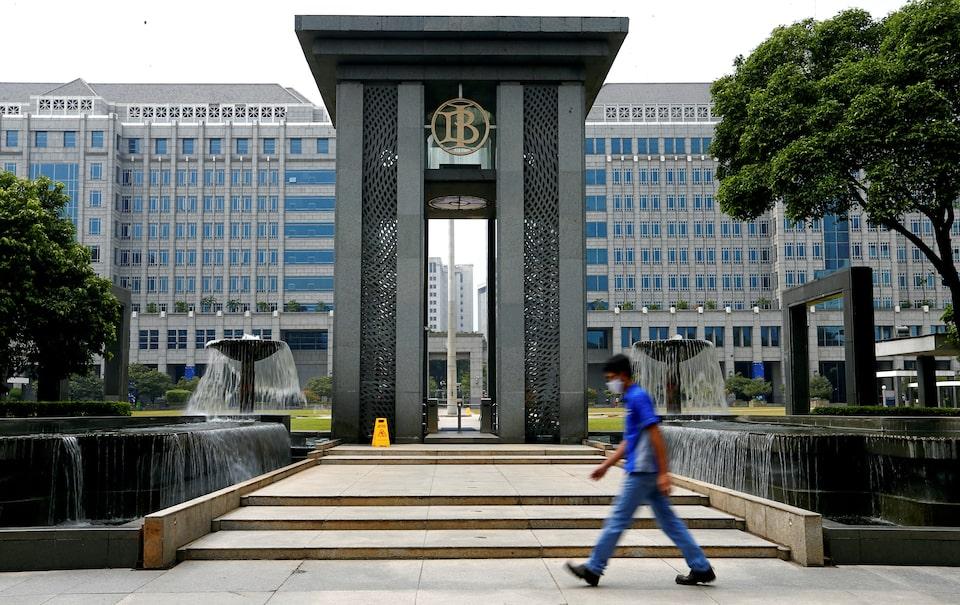
JAKARTA, Sept 26 (Reuters) - Indonesia's central bank is committed to maintaining rupiah stability by using all available instruments "boldly", including continued intervention in the offshore and onshore non-deliverable forward markets, its governor said on Friday. The central bank is certain that currency stabilisation efforts will guide the rupiah to reflect fundamental value, Governor Perry Warjiyo said, adding that he urged market players to maintain a conducive climate. Sign up here. "Bank Indonesia is boldly using all available instruments, both in the domestic market through spot instruments, domestic NDF and government bonds purchases in the secondary market, as well as in foreign markets in Asia, Europe and America on an ongoing basis through NDF interventions," he said in a statement. The rupiah has been under renewed pressure since BI unexpectedly cut policy rates on September 17, a move viewed by the market as bowing to President Prabowo Subianto's push to accelerate economic growth. The rupiah touched 16,790 a dollar during early Friday trading, its weakest since April, but the currency reversed course and ended the trading session up 0.06% from the previous day's close. With an almost 4% drop so far this year, the rupiah is the worst-performing emerging Asian currency. Global investors have become increasingly nervous following protests in August and the abrupt sacking of respected finance minister Sri Mulyani Indrawati this month. Finance Minister Purbaya Yudhi Sadewa, Sri Mulyani's successor, told a separate press conference he believed the currency would strengthen further. "I am confident that the rupiah will return to its fundamental level," he said, adding he was certain recent government measures to lift growth would attract investors due to better economic prospects. On the relationship between fiscal and monetary authorities, Purbaya said he got along with monetary policymakers, citing a lunch he just had with Warjiyo and a plan to hold regular meetings. "So we are close to the central bank and our policies will be highly synchronised going forward. But, we will implement our policies within our respective areas of authority," he said. https://www.reuters.com/world/asia-pacific/indonesia-central-bank-use-all-available-instruments-boldly-stabilise-rupiah-2025-09-26/
2025-09-26 00:45
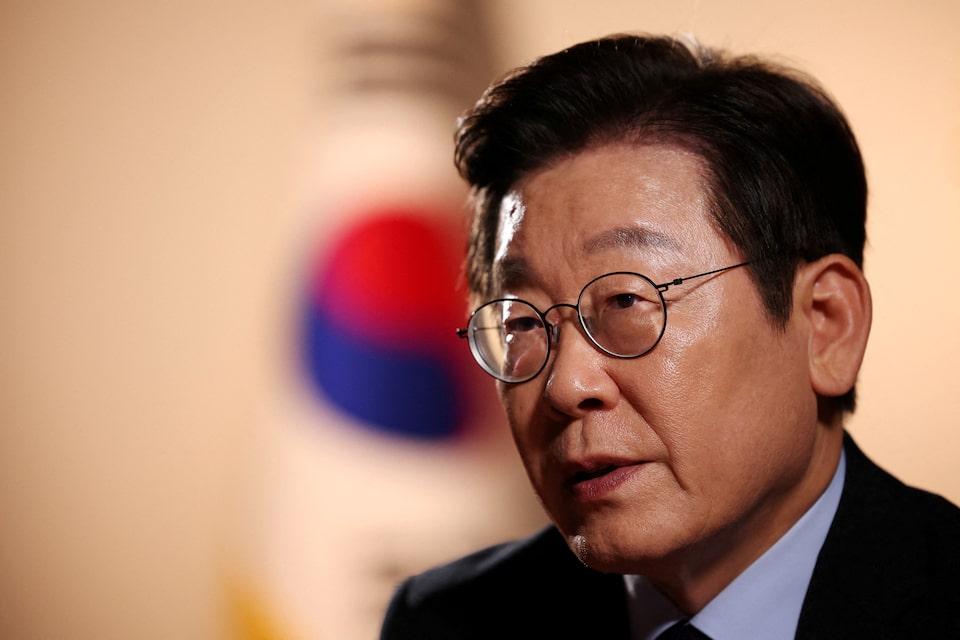
S.Korea to open FX market further for MSCI stock upgrade Move might raise FX volatility, market participants say Won hits over 4-month low on stalled trade talks with US SEOUL, Sept 26 (Reuters) - South Korea's president vowed to open its currency market for around-the-clock trading, giving easier access to foreign investors as the country seeks to boost the domestic stock market and as stalled U.S. trade talks weigh on the won. "There is quite a time limit in the currency trading market, but we plan to scrap nearly all of it," President Lee Jae Myung said on Thursday at an investor event in New York, according to a media pool report. Sign up here. Lee said the government would also address in the near future the lack of offshore won market - a main factor behind global index provider Morgan Stanley Capital International's (MSCI) classification of South Korea as an emerging market. Since taking office, Lee's administration has brought various reforms to boost the domestic stock market, including setting up a task force to win developed market status from MSCI, which has sent the benchmark KOSPI to a record high. South Korea had held a tight grip on currency policy after the destabilising capital flight seen during the Asian Financial Crisis in the late 1990s. However, it started to gradually open the onshore currency market to foreigners in the second half of 2024. Currently, the market is open from 9 a.m. local time to 2 a.m. the next day, compared with closing at 3:30 p.m. previously, to cover London hours. The new trading hours would allow offshore transactions in the won and "create a 24-hour foreign exchange computer network within the Bank of Korea," which requires regulatory change but not parliamentary approval, Kim Jae-hwan, director general at the finance ministry said. Lee's comments also come amid stalled trade talks with the U.S. over the foreign exchange implications of a $350 billion investment package promised by Seoul. The president earlier told Reuters the country might face a foreign exchange crisis if it accepted the terms the U.S. demanded over the package. "South Korea is $350 billion that's up front," U.S. President Donald Trump said on Thursday. Commerce Secretary Howard Lutnick recently discussed with Seoul the idea of slightly increasing the $350 figure, the Wall Street Journal reported, citing sources. "Amid a strong dollar, the won is weakening faster as uncertainty is high over the U.S. investment package," said Lee Min-hyeok, an analyst at KB Kookmin Bank. The won extended losses to its lowest level since mid-May to 1,414.0 per dollar on Friday, raising caution among market participants about intervention. The currency broke below the psychologically important level of 1,400 on Thursday. "There is caution, but it doesn't seem authorities are capping the downside yet," one local currency dealer said. The benchmark KOSPI stock index (.KS11) , opens new tab was also poised to record its biggest slump since early August, dropping more than 2% on U.S. tariff worries. The benchmark 10-year treasury bond yield rose more than 10 basis points to 2.966%, the highest since mid-March. https://www.reuters.com/world/asia-pacific/south-korea-plans-open-around-the-clock-fx-trade-president-says-2025-09-26/
2025-09-26 00:38
Sept 25 (Reuters) - U.S. regulators have examined sharp movements in the stock prices of companies before they announced plans to raise money to buy cryptocurrency for signs of potential insider trading and disclosure violations, the Wall Street Journal reported on Thursday. The Securities and Exchange Commission and Financial Industry Regulatory Authority have contacted some of the more than 200 companies that announced crypto-treasury strategies this year, the report added, citing people familiar with the matter. Sign up here. SEC officials warned firms about possible breaches of rules against selective sharing of material nonpublic information, the Journal said. The SEC declined to comment, while FINRA did not immediately respond to a request for comment. Reuters could not immediately verify the report. Many publicly listed companies have been buying cryptocurrency buying, seeking to replicate the success of Strategy (MSTR.O) , opens new tab, formerly known as MicroStrategy, a software company that began accumulating bitcoin in 2020. https://www.reuters.com/sustainability/boards-policy-regulation/us-regulators-probe-stock-moves-before-companies-made-crypto-treasury-2025-09-26/