2025-09-22 05:22
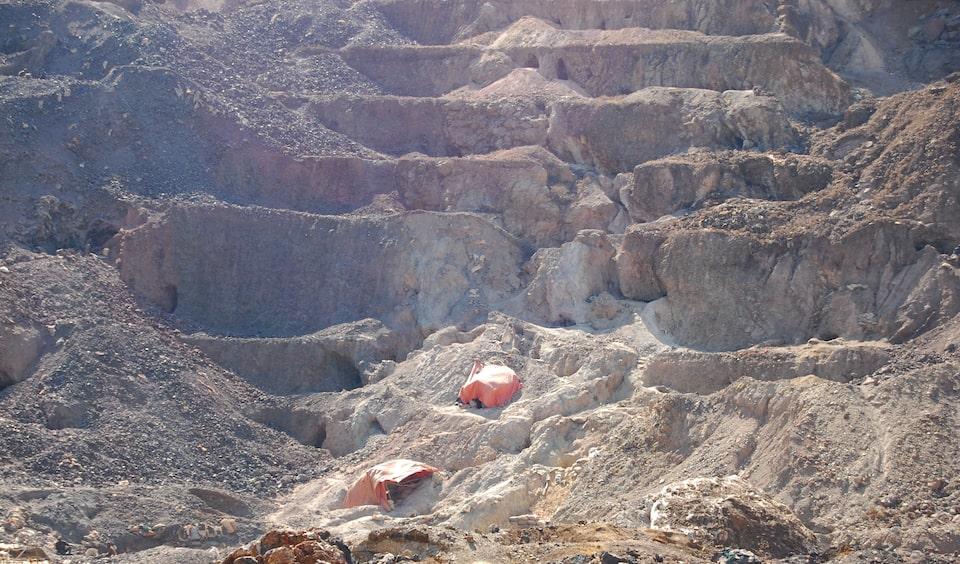
DAKAR, Sept 21 (Reuters) - The Democratic Republic of Congo will lift its ban on cobalt exports from October 16 and manage global supply by imposing annual export quotas, the country’s strategic minerals regulator said on Sunday. Miners will be allowed to ship up to 18,125 tons of cobalt for the rest of 2025, with annual caps of 96,600 tonnes in 2026 and 2027, the Authority for the Regulation and Control of Strategic Mineral Substances’ Markets said. Sign up here. Congo, which produced about 70% of global cobalt output last year, suspended exports in February after prices fell to a nine-year low. The move was extended in June, prompting force majeure declarations from major producers including Glencore (GLEN.L) , opens new tab and China’s CMOC Group (603993.SS) , opens new tab. Congo’s largely unregulated artisanal mining sector accounts for a significant share of cobalt output, complicating traceability and compliance for global buyers. The move to a quota system comes amid escalating conflict in eastern Congo, where the government says illegal mineral exploitation is fueling violence by M23 rebels. The new system, backed by Glencore but opposed by CMOC, aims to reduce inventories and support prices. Quotas will be allocated based on historical exports of the critical electric battery material. Glencore declined to comment. CMOC was not immediately available for comment. Congo's regulator said 10% of future volumes will be reserved for strategic national projects and quotas could be revised based on market conditions or progress in local refining. The regulator can buy back cobalt stocks exceeding the quarterly authorized quotas per company, said the statement signed by its chairman. https://www.reuters.com/world/africa/congo-replace-cobalt-export-ban-with-quotas-oct-16-2025-09-21/
2025-09-22 05:14
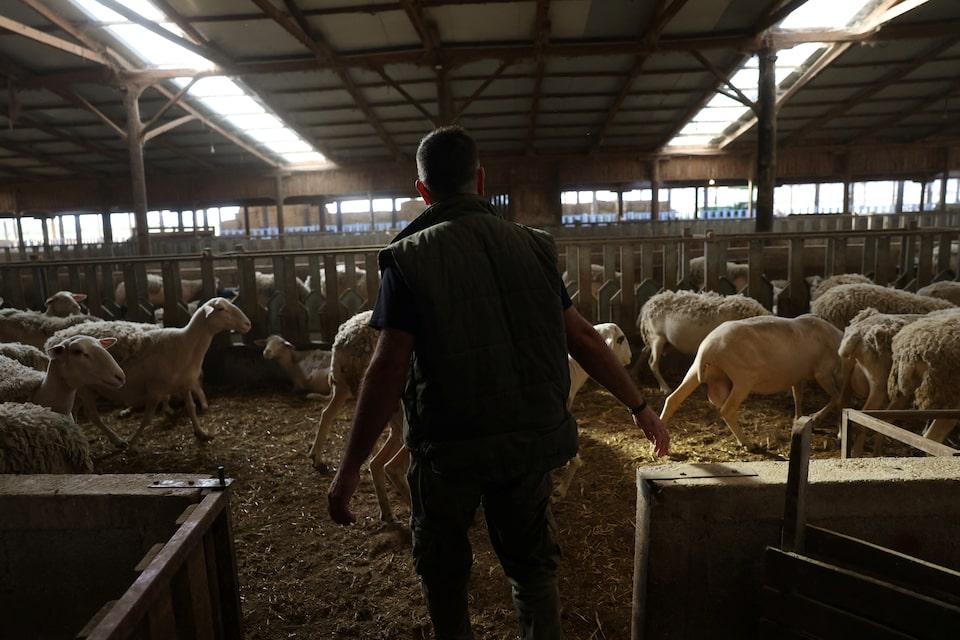
KILELER, THESSALY, Greece, Sept 19 (Reuters) - Greek sheep farmers are in despair in central Greece as sheeppox destroys their flocks, while the Greek authorities are warning of a possible nationwide ban on the movement of animals. The outbreak of the highly infectious virus in the country is threatening to drive up food prices and affect the production of feta, Greece's famous crumbly cheese. Sign up here. Giorgos Tasioulis, fighting back tears, stands in front of his empty sheep sheds. "Our unit... is now back to zero, our family is back to zero," the 45-year-old father of three says. Just weeks earlier, all 900 of his sheep were culled and buried only meters from his farm in Kileler municipality, central Greece. Tasioulis had invested nearly 2 million euros ($2.35 million) since 2020 to modernise his breeding unit. Now it is silent. Across Thessaly, Greece’s agricultural heartland, sheeppox is wiping out flocks. More than 260,000 sheep and goats — roughly 2% of the national herd — have been culled in the last 12 months, forcing 1,100 farms to shut down, based on government figures. Kileler was hit hardest, with 40,000 animals gone and 80 breeding units closed since July. "The situation is an absolute disaster," Tasioulis says. A few kilometers away, another breeder Vagelis Karajiolis is still holding on, but barely. "Every morning I wonder what we will find at the farm, if there will be an infection," he said, "We can't sleep at night." Thessaly produces 15% of Greece’s sheep and goat meat and nearly a third of its milk and feta cheese. But the region has been battered. In 2023, storm Daniel , opens new tab flooded huge parts of the plain, destroying crops and killing livestock. "When we thought we had recovered a bit, the sheeppox came and finished us off," Karajiolis said. Authorities have launched a 10-day emergency plan, sending veterinarians to farms and setting up disinfection zones. But this came too late for many farmers. "Unfortunately, at that time the tough measures that should have been taken were not implemented," says Dimitris Mpaloukas, head of the Breeders Federation of Thessaly. Greece's Rural Development and Food Minister Kostas Tsiaras urged farmers not to hide infections. "Responsibility is needed from all those involved as our livestock is at risk," he said earlier on Friday speaking on public broadcaster ERT. "Because of the pox, they killed all the sheep," said 80-year-old cheesemaker Nikos Karakanas, looking at his empty milk tanks. "I had 10 employees, now I have none," he said. ($1 = 0.8518 euros) https://www.reuters.com/business/environment/greek-sheep-farmers-devastated-by-sheeppox-outbreak-flocks-culled-2025-09-19/
2025-09-22 04:40
Sept 22 (Reuters) - Goldman Sachs raised its year-end target for the S&P 500 (.SPX) , opens new tab to 6,800 from an earlier 6,600, implying a 2.04% upside from its last close as it cited a dovish U.S. Federal Reserve and resilient corporate earnings. In a note late on Friday Goldman also raised its 6-and-12-months return forecasts to 5% and 8%, implying levels of 7,000 and 7,200. Sign up here. The Fed last week cut interest rates for the first time since December and signaled further reductions at its October and December meetings amid rising unemployment and signs of a weakening labor market. Analysts at Goldman have said earlier they expect quarter-point cuts at both meetings, in line with most major brokerages. Earlier this year, major brokerages had cut their targets below 6,000 after U.S. President Donald Trump's "Liberation Day" tariffs in April spurred fears of recession and sparked a global equity selloff. But tariff rollbacks and hopes of Fed easing have since soothed investors, lowered recession risks and pushed stocks to record highs. https://www.reuters.com/business/goldman-sachs-lifts-sp-500-indexs-annual-target-2025-09-22/
2025-09-22 04:33
A look at the day ahead in European and global markets from Ankur Banerjee Global markets largely shrugged off the Trump administration's immigration crackdown, this time on H-1B visas, with investors focusing on the future path of interest rates as several Fed policymakers are due to speak this week. Sign up here. The long-awaited U.S. rate cut has come and gone but the Fed indicated a gradual easing in the future. Markets are now pondering what lies ahead, with traders pricing in 44 basis points of easing by the end of the year. There are two more Fed meetings left this year and with the central bank under intense criticism from Trump, economic data and comments from policymakers will be crucial in determining investor sentiment in the near term. John Williams, Thomas Barkin and Stephen Miran are due to speak at separate events on Monday while speeches from Raphael Bostic and Michelle Bowman will be in focus on Tuesday. Fed Chair Jerome Powell is also scheduled to speak on Tuesday. All of which means we are back to keeping notes on Fedspeak and where rates head from here. Fun times! The dollar began the week steady following last week's volatility, while stocks remained near record highs. Futures pointed to a subdued session, with a bare European calendar expected to keep markets listless. The Trump administration said on Friday it would ask companies to pay $100,000 for new H-1B worker visas, setting off alarm bells in Silicon Valley and among Indian IT firms as visa holders and tech firms scrambled to make sense of the regulation. Initial market reaction was muted although India's Nifty 50 (.NSEI) , opens new tab slipped 0.3% and the Indian rupee , one of the worst performers in Asia this year, was slightly weaker at the start of the session. It may take some time for investors to gauge the true cost to margins for many of the companies who rely on the programme, analysts said. Key developments that could influence markets on Monday: Euro zone consumer confidence flash for September https://www.reuters.com/sustainability/sustainable-finance-reporting/global-markets-view-europe-2025-09-22/
2025-09-22 04:32
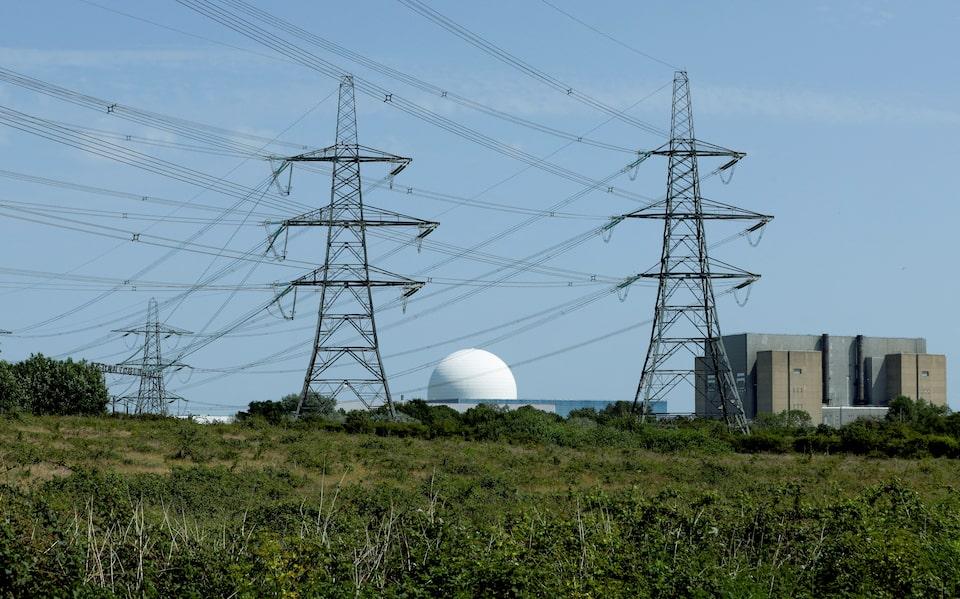
PARIS, Sept 22 (Reuters) - A record level of global nuclear power production seen in 2024 will be hard to maintain in the coming years due to a lack of required investment, aging plants and project disruptions, the World Nuclear Industry Status Report said on Monday. Nuclear power has experienced a revival in interest from various countries trying to phase out fossil fuels, with the United States recently pushing hard to make nuclear energy a policy focus and securing several , opens new tabagreements with other countries to boost production. Sign up here. Global nuclear power generation reached a record in 2024 of 2,677 terawatt-hours after declining for two years, largely due to growth in China, data from the report showed. However, to keep global nuclear output steady through 2030 the world would need 44 additional startups beyond those already scheduled, lifting annual startups to roughly two and a half times the past decade's pace, the report said. Risks around aging fleets, sluggish construction, accelerating system disruption from renewable energy, and China-centred development are expected to impact growth and lead to declines in regional electricity production shares, according to the report. It is an annual publication produced in collaboration by various research groups. Competition from cheaper non-hydro renewables and battery storage is expected to have a broad impact, as investment in the renewables was 21 times that of nuclear last year, while added capacity was more than 100 times net nuclear additions, it said. Battery costs are also falling, down about 40% in 2024, while nuclear plant costs continue to rise, the report said. "Together these new technologies are evolving towards a highly flexible fully electrified energy system... outcompeting traditional centralized fossil and nuclear systems," the report said. Nuclear power projects around the world are being beset by delays. From 2020 to mid-2025, 44 of 45 global construction starts were by Chinese or Russian state firms in countries such as Egypt and Turkey. There is no evidence of a vigorous global nuclear buildout and nuclear's share of global power generation is likely to erode further from 9% in 2024 unless project delivery and economics improve markedly, the report said. Small modular reactors also remain largely aspirational, as despite rising public and private funding, no Western SMR construction has begun. China is the exception, with two SMR designs in operation or build, though limited operational data are available. https://www.reuters.com/business/energy/nuclear-projects-seen-slowing-after-record-2024-output-report-says-2025-09-22/
2025-09-22 04:10
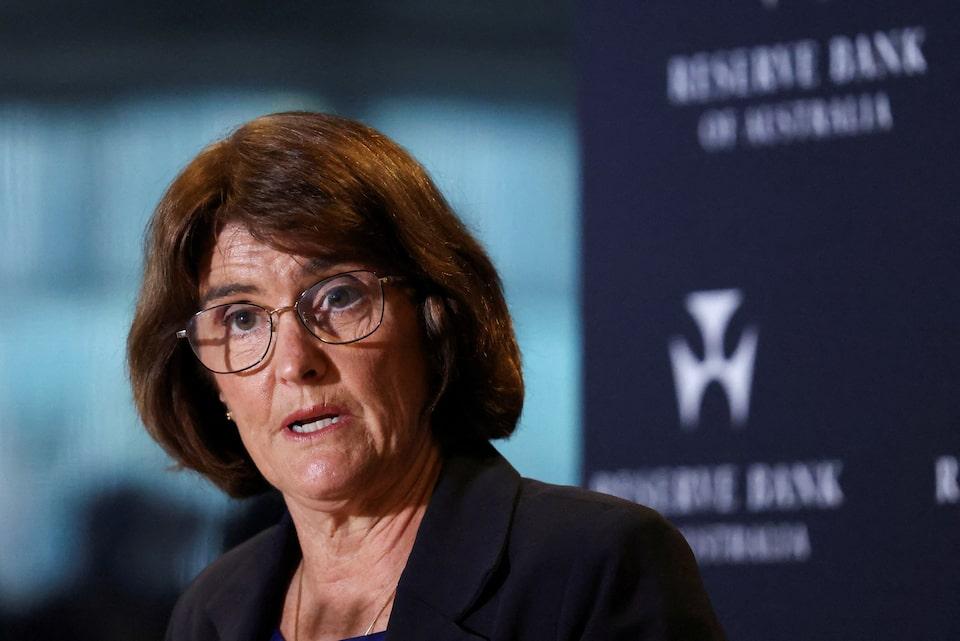
RBA more confident on inflation, with economy near full employment RBA expects recovery in household spending to be sustained It has room to cut rates if global risks weigh on economy CANBERRA/SYDNEY, Sept 22 (Reuters) - Australia's economy is in a good place, its top central banker said on Monday, while slowing inflation and a resilient labour market mean policymakers have room to ease policy further if needed to deal with shifting risks. Appearing before lawmakers, Reserve Bank of Australia Governor Michele Bullock said the recent rate cuts were expected to support spending by households and businesses, but the global environment was uncertain and unpredictable. Sign up here. "Since the August meeting, domestic data have been broadly in line with our expectations or if anything slightly stronger – the Board will discuss this and other developments at our meeting next week," Bullock said. "But the economic outlook continues to be clouded by uncertainty...So we need to be alert to the risk that circumstances may change and be prepared to respond if necessary." When asked about the biggest risks to economic outlook, Bullock highlighted the global environment and the possibility that the recovery in consumption may not pick up as expected. "That might not be good for the labour market, and we will find ourselves in a position where we are perhaps lower on inflation and worse on employment than we would like to be," she said. The RBA has so far adopted a gradual and cautious approach to policy easing, having cut rates in February, May and August to reach the current 3.6% after assessing inflation data for each quarter. It has said the pace of further policy easing depends on the flow of data. Its forecasts were conditioned on some further modest easing of monetary policy. Investors are wagering the RBA will skip a move in interest rates at its September 29-30 meeting, although a move in November is still about 75% priced in. Swaps imply a total easing of 48 basis points by the middle of next year, equivalent to fewer than two more rate cuts. 'IN A GOOD POSITION' The central bank indicated this month that it was close to achieving both of its mandates, inflation and employment. Inflation was on track to return to the midpoint of the 2-3% target band, while the labour market was operating close to full employment. The economy also grew at its fastest annual pace in almost two years in the June quarter as consumer spending finally picked up, while monthly inflation unexpectedly spiked higher in July. Bullock said the recovery in household consumption is forecast to sustain as real incomes grow and the economy picks up over the next year. The slowdown in job creation is in line with forecasts, but policymakers do not see a sharp deterioration with the unemployment rate still at a historically low 4.2%. If changes in global trade end up badly affecting China, Australia's biggest trade partner, Bullock said the central bank has room to ease policy further, adding that the recent Chinese data has not been encouraging. "We are sort of in a good position. We have got pretty strong labour markets still and inflation is back in the band," she said. "The interest rates are still at 3.6% and therefore we have got room to move if we need to." https://www.reuters.com/world/asia-pacific/australias-central-bank-alert-risks-over-economic-outlook-governor-says-2025-09-22/