2025-09-18 05:04
HONG KONG, Sept 18 (Reuters) - Hong Kong's central bank on Thursday lowered its base interest rate by 25 basis points to 4.50%, tracking a cut by the U.S. Federal Reserve. It was the first easing by the Hong Kong Monetary Authority since a 25 basis point cut last December. The rate is charged via the overnight discount window. Sign up here. Major Hong Kong banks partially followed, with HSBC 0005.HK lowering its Hong Kong dollar best lending rate by 12.5 bps to 5.125% effective September 19, and Bank of China (Hong Kong) also reducing its Hong Kong dollar prime rate to 5.125% from 5.25%. Hong Kong's monetary policy moves in lock-step with the United States as the city's currency is pegged to the greenback in a tight range of 7.75-7.85 per dollar. "We believe the adjustments announced today are appropriate considering the U.S. rates decision and the local market conditions," Luanne Lim, Chief Executive Officer, Hong Kong, HSBC, said in a statement. "We will continue to monitor the external environment and local economic outlook, and adopt an agile approach when we evaluate future rate decisions," Lim added. HKMA Chief Executive Eddie Yue said the reduction will have a positive impact on the city's property market and economy, noting that financial and monetary markets continue to operate in a smooth and orderly manner. The Federal Reserve cut interest rates by a quarter of a percentage point on Wednesday and indicated it will steadily lower borrowing costs for the rest of this year. Yue said the Fed might cut rates further by 50 bps before the end of the year, though he added that "the extent and pace of future U.S. interest rate cuts are subject to uncertainty". https://www.reuters.com/world/asia-pacific/hong-kong-central-bank-cuts-interest-rate-tracking-fed-banks-follow-2025-09-17/

2025-09-18 05:01
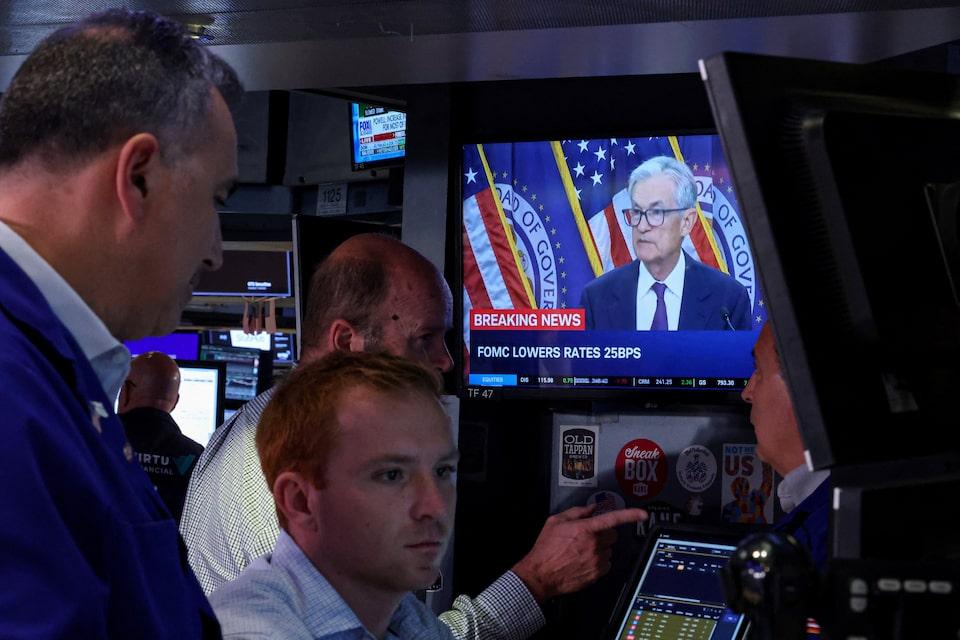
Fed tempers dovish tilt as inflation remains sticky Investors cautious on risk assets amid stagflation threat Market reaction muted to first rate cut since December Disagreement within Fed expected to add to volatility NEW YORK, Sept 18 (Reuters) - Investors look set to face a volatile few months ahead after the Federal Reserve resumed interest rate cuts and opened the door to further easing but tempered its message with warnings of sticky inflation, sowing doubt over the pace of future policy adjustments. Some investors are now less certain that a rapid shift to lower borrowing costs will materialize, potentially dampening optimism that stocks and bonds would get a strong lift from easier policy. Adding to the uncertainty was a wide variety of views within the Fed on the future path of rates. Sign up here. “We've had a rather cautious, not necessarily fully defensive... view here for a while," which was "reinforced" by the Fed's message, said Larry Hatheway, global investment strategist at the Franklin Templeton Institute. Hatheway added that many in the market would likely be slightly disappointed at the lack of clarity and direction from the Fed, which stopped short of endorsing market expectations for a clear string of rate cuts, emphasizing a meeting-by-meeting, data-dependent approach. At Wednesday's meeting, the Fed lowered its policy rate by 25 basis points to a range of 4%-4.25%, its first cut since December, and signaled a gradual easing cycle in response to mounting labor market concerns. At the same time, Fed Chair Jerome Powell highlighted "a challenging situation" for policymakers, noting that risks to inflation were tilted to the upside and risks to employment to the downside. The comments dampened market optimism despite a much hoped-for dovish shift after recent data that showed unemployment climbing to 4.3% in August and payrolls growing far less than expected. A steep downward revision to benchmark jobs figures for the year through March also recently added weight to the view that the labor market is losing steam, bolstering the case for multiple rate cuts ahead. The U.S. central bank's release on Wednesday of updated quarterly economic projections, including rate forecasts issued in a chart known as the "dot plot", reflected expectations of more easing this year when compared to the 'dots' from the June meeting, with 50 basis points in cuts seen before year end. At the same time, the Fed's projections still put inflation ending this year at 3%, well above the central bank's 2% target, while its projection for economic growth was slightly higher at 1.6% versus 1.4%. "Markets may welcome the easing bias, but the messaging remains nuanced and far from a full pivot," said Dan Siluk, head of global short duration and liquidity, and a portfolio manager at Janus Henderson Investors. The Nasdaq and the S&P 500 had gone into the meeting close to record highs, but closed lower in choppy trading on Wednesday. Treasury yields, which move inversely to bond prices, rose, with two-year yields up four basis points on the day at 3.55% and benchmark 10-year yields up by about seven basis points to 4.09%. The yield curve had been flattening in recent weeks, with the gap between long-dated and short-dated yields decreasing on expectations of rate cuts. "The Fed is in a tough spot," said Jack McIntyre, portfolio manager at Brandywine Global Investment Management. "They expect stagflation, or higher inflation and a weaker labor market. That is not a great environment for financial assets." STAGFLATION RISKS LINGER U.S. consumer prices increased by the most in seven months in August amid higher costs for housing and food, resulting in the biggest year-on-year increase in inflation since January. Combined with softening labor market conditions, higher inflation has sparked fears of stagflation - a worrying mix of sluggish growth and high inflation that haunted the U.S. in the 1970s and that could complicate the Fed's ability to support the jobs market with hefty rate cuts. "This is far from the stagflation of the 1970s, but at the margin argues for a more conservative outlook for returns on stocks and bonds," said Michael Rosen, chief investment officer at Angeles Investments. The Fed's shift to easing on Wednesday was also being scrutinized after relentless pressure from U.S. President Donald Trump's administration on the Fed to cut rates. Stephen Miran, Trump’s nominee and economic adviser, was sworn in to the Fed's Board of Governors on Tuesday and registered the lone dissent to the Fed's quarter-point cut decision, instead arguing for a bigger half-point reduction. Markets were also left to contend with the Fed’s 'dot plot' showing a wide variety of forecasts, with one participant penciling in a 4.4% year-end rate, above the new 4.00%–4.25% range. At the other end, one policymaker marked down a year-end policy rate of 2.9%. "I think the market was having trouble digesting all the information they got. Certainly, it did not give anyone a tremendous line of sight" into how Fed policymakers are approaching decision-making, said Josh Hirt, senior U.S. economist at Vanguard. "There is such disagreement amongst the committee members that there is some heightened uncertainty," Hirt added, and greater volatility "is one potential consequence of this increased number of different cross currents." https://www.reuters.com/world/us/feds-rate-cut-comes-with-caveats-leaving-investors-lukewarm-2025-09-18/
2025-09-18 04:51
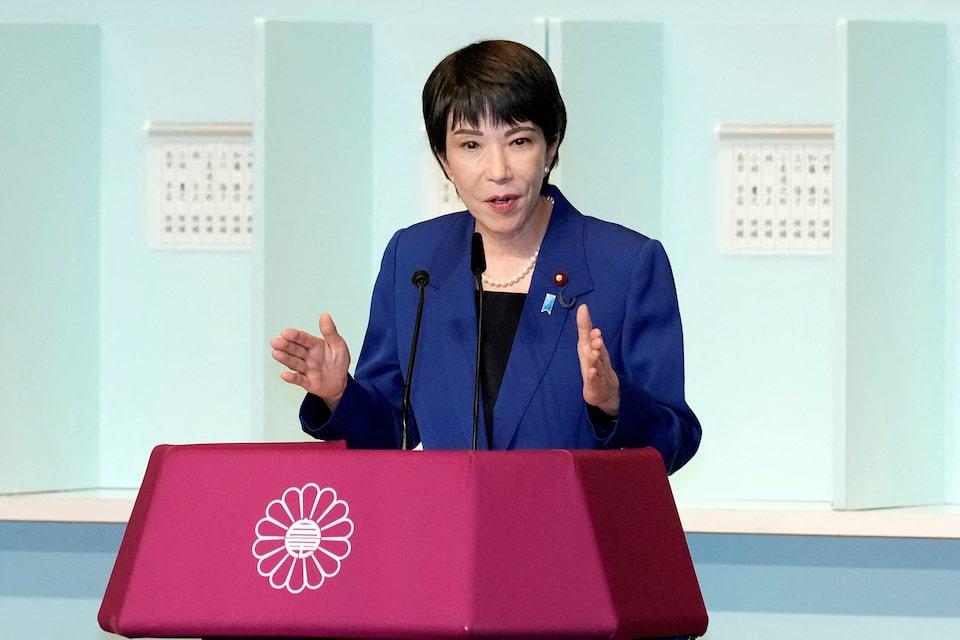
BOJ may hike rates in October if tankan not bad, stocks hold up, says former official Shimoda Solid corporate profits, wage hikes lay groundwork for BOJ hike Shimoda says there is doubt Takaichi can push policies that weaken yen TOKYO, Sept 18 (Reuters) - The Bank of Japan could raise interest rates in October even if Sanae Takaichi, a proponent of aggressive monetary easing, wins the ruling party's leadership race and becomes the next premier, former central bank executive Tomoyuki Shimoda said on Thursday. Seen as a leading candidate to win the race on October 4, Takaichi stands out for her vocal opposition to the BOJ's rate hikes and her calls to ramp up spending to reflate the economy. Sign up here. The prospect of her becoming Japan's next prime minister has led some market players to buy yen and Japanese government bonds on the view it could discourage the BOJ from hiking rates. But Shimoda, who has experience serving at the BOJ's monetary affairs department, expects the outcome of the leadership race, including a possible victory by Takaichi, to have a limited impact on monetary policy. "While she could advocate bigger fiscal spending, I doubt Takaichi can pursue policies that could weaken the yen," Shimoda told Reuters in an interview. A weak yen gives exports a boost, but it has been a source of concern for policymakers because it lifts import costs and has been a factor in inflation staying well above the BOJ's 2% target. A yen fall below 150 to the dollar may also draw complaints from the U.S. administration, which is pursuing a weak-dollar policy that would give U.S. exports a boost, Shimoda said. The BOJ will likely raise rates at its October 29-30 meeting if stock prices stay firm and its "tankan" business sentiment survey, due on October 1, does not worsen much, he said. "Corporate profits aren't bad and structural labour shortages will push up wages. Persistent rises in food costs will also keep inflation elevated," said Shimoda, who is currently an academic at Japan's Rikkyo University. "The environment for a rate increase is falling into place." The BOJ is widely expected to keep interest rates steady at 0.5% at a two-day meeting ending on Friday. A Reuters poll showed a majority of economists expect another 25-basis-point hike by year-end. But those surveyed were split on the timing, with bets centring on October and January. Takaichi is known as an advocate of an "Abenomics"-style mix of fiscal and monetary stimulus. Under deceased premier Shinzo Abe, the BOJ deployed a huge asset-buying programme in 2013 to pull Japan out of deflation. Her main rival is Shinjiro Koizumi, whose views on BOJ policy are little known. The BOJ exited its massive, decade-long stimulus last year and raised short-term rates to 0.5% in January on the view Japan was on the cusp of durably achieving its 2% inflation target. With inflation staying above 2% for well over three years, the BOJ has signalled its readiness to keep hiking rates. The yen's moves have historically had a major impact on BOJ decisions. Its exit from ultra-loose policy and a hike in rates to 0.25% last year came at a time when the yen's plunge to near two-decade lows drew political calls for higher rates. After sliding past 160 per dollar last year, the yen is now hovering around 146. https://www.reuters.com/business/boj-may-raise-rates-october-even-if-takaichi-wins-leadership-race-says-ex-cbank-2025-09-18/
2025-09-18 04:41
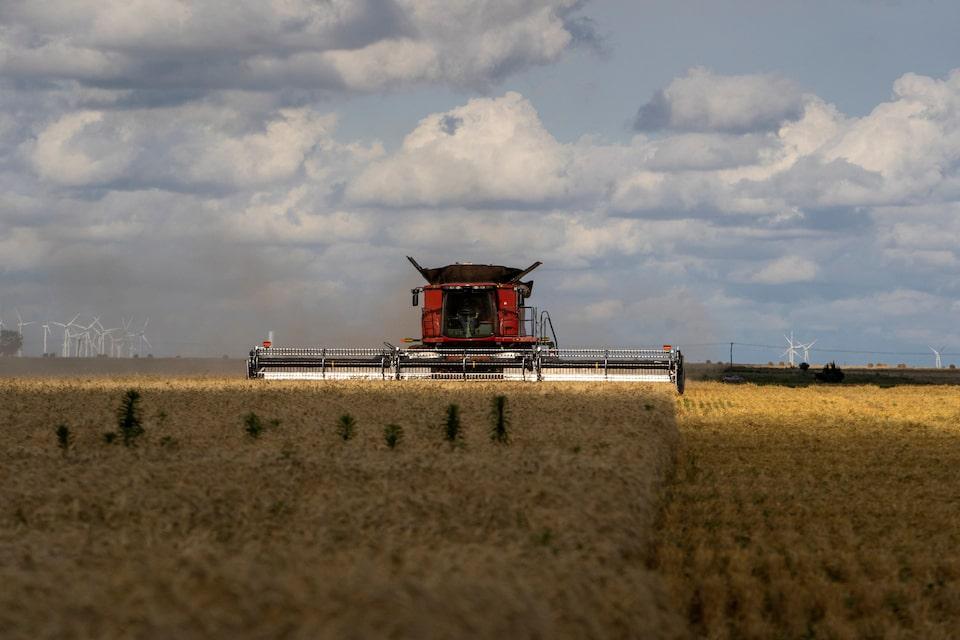
Sept 18 (Reuters) - The Trump administration is drawing up plans to use tariff revenue to fund a program to support U.S. farmers, the Financial Times reported on Thursday, citing agriculture secretary Brooke Rollins. "There may be circumstances under which we will be very seriously looking to and announcing a package soon," Rollins told the newspaper in an interview on Wednesday. Sign up here. Rollins said financing the bailout with “tariff income that is now coming into America” was “absolutely a potential.” The White House did not immediately respond to a Reuters request for comment. The report follows pressure from farm groups after China stopped purchases of soybeans from the U.S. in their tit-for-tat trade dispute, and as tariffs have pushed up costs for fertiliser, machinery and other imported inputs. Agriculture has emerged as a major point of contention between China and the U.S. as the superpowers are locked in a tariff war launched by President Donald Trump. https://www.reuters.com/world/us/trump-tariffs-could-fund-bailout-us-farmers-agriculture-secretary-tells-ft-2025-09-18/
2025-09-18 04:38
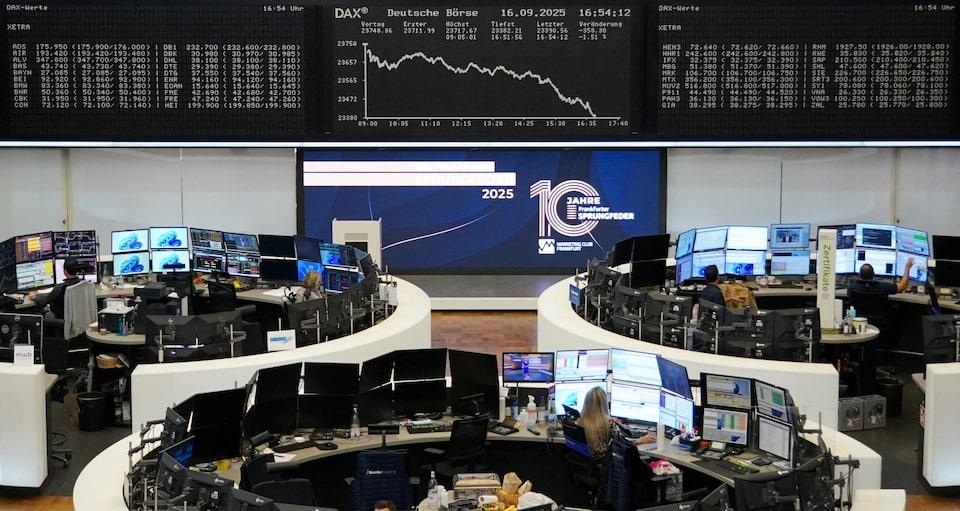
A look at the day ahead in European and global markets from Gregor Stuart Hunter: As Vladimir Lenin had it, just as there are decades where nothing happens, there are weeks where decades happen. The same is broadly true in central banking, with this one towards the busier end of the spectrum. Sign up here. Markets are digesting the U.S. central bank's moves, which saw the Federal Open Market Committee delivering a widely expected 25 basis point rate cut on Wednesday, with only new Governor Stephen Miran dissenting in favour of a larger 50 bps cut. For those marking up their scorecard: The Bank of Canada cut, the People's Bank of China held, the Hong Kong Monetary Authority had no choice but to follow the Fed, the Bank of England is later today, and the Bank of Japan follows tomorrow. After a stumble on Wall Street, Asian markets bought the dip on Thursday, sending S&P 500 e-minis up 0.5% and Nasdaq futures 0.7% higher. That risk-on sentiment looks set to follow through to Europe, where pan-region futures are rising 0.6%, German DAX futures have gained 0.7% and FTSE futures are 0.2% higher. Bond markets also rallied after a pullback, with the yield on benchmark 10-year Treasury notes sliding to 4.068% compared with its U.S. close of 4.076% on Wednesday. The dollar held steady at 97.024 after recovering from a three-and-a-half-year low. Gold fluctuated between gains and losses, hitting an air pocket after scaling a record high on Wednesday, with bullion last trading at $3,659.40 per ounce. Still, for all the sugar rush of the Fed resuming an easing cycle, growth worries are never far away. New Zealand stocks and the kiwi dollar skidded after worse-than-expected economic data and Australian stocks dropped after the release of weaker-than-expected labour market figures. Shares in gas producer Santos (STO.AX) , opens new tab slid as much as 13.6% after a consortium led by Abu Dhabi's ADNOC scrapped its $18.7 billion bid for the company, saying commercial terms could not be agreed. Brent crude fell 0.2% to $67.84 per barrel. For all that drama, MSCI's broadest index of Asia-Pacific shares outside Japan (.MIAPJ0000PUS) , opens new tab is trading flat. Key developments that could influence markets on Thursday: Corporate earnings: Auto Trader Group, Embracer Group, Next Central bank decisions: UK: Bank of England Economic data: UK: GfK Consumer Confidence for Sept Debt auctions: France: 3-year, 5-year, 8-year, 9-year and 13-year government debt auctions https://www.reuters.com/world/china/global-markets-view-europe-2025-09-18/
2025-09-18 00:52
TOKYO, Sept 18 (Reuters) - Oil prices were little changed on Thursday after the U.S. central bank lowered its key interest rate as widely expected, while an indication of more rate cuts before year-end raised the prospect of a demand boost spurred by falling borrowing costs. Brent crude futures were 8 cents, or 0.12%, down at $67.87 a barrel at 0042 GMT. U.S. West Texas Intermediate futures were down 10 cents, or 0.16%, at $63.95. Sign up here. The Federal Reserve cut is policy rate by a quarter of a percentage point on Wednesday and indicated it will steadily lower borrowing costs over the rest of the year, as policymakers responded to signs of weakness in the jobs market. Lower borrowing costs typically boost demand for oil. The indication of more cuts signals the Fed assesses risk to the economy from unemployment to be significantly higher than from inflation, Claudio Galimberti, chief economist and global director of market analysis at Rystad Energy, said in a client note. "For Brent in particular ... the cut and the two expected by the end of the year will be a bullish factor, which will in part counter the bearish OPEC+ unwinding strategy," he said, referring to increased oil supply from members of the Organization of the Petroleum Exporting Countries and allies. On the demand side, U.S. crude oil stockpiles fell sharply last week as net imports dropped to a record low while exports jumped to a near two-year high, showed data from the Energy Information Administration. However, a rise in distillate stockpiles (USOILD=ECI) , opens new tab by 4 million barrels, versus market expectations of 1 million barrels, raised concern about demand in the world's top oil consumer, pressuring prices. Overall, global oil demand averaged 104.4 million barrels per day (mpd) through September 17, a year-over-year rise of 0.520 mbd, JP Morgan said in a client note. Year-to-date, demand was up 0.8 mbd, just shy of the bank's projected 0.83 mbd. "While flight volumes in the U.S. and China are easing as the summer travel season winds down, activity in Europe, the Middle East, and Latin America continues to grow," JP Morgan said. https://www.reuters.com/business/energy/oil-prices-little-changed-after-fed-rate-cut-2025-09-18/