2025-09-16 05:47
SYDNEY, Sept 16 (Reuters) - Australian pension funds will have to expand the use of foreign exchange hedging as the sector is likely to grow in size to become the second-largest globally with a larger share of investments going abroad, a top central banker said on Tuesday. In prepared remarks to the board of CLS Bank International in Sydney, Reserve Bank of Australia Deputy Governor Andrew Hauser said the Australian dollar has remained a well-functioning "natural" hedge for global risk assets. Sign up here. Pension funds, known as super funds in Australia, did increase equity hedges last quarter during a market sell-off caused by the imposition of U.S. tariffs, but Hauser said the pick up was small and market participants reported little expectation of a more material increase in the near term. The super funds have long kept low foreign exchange hedging ratios on large and growing foreign stock portfolios because the Australian dollar tends to fall with U.S. equity prices, offsetting some of the offshore capital loss. "Uncertainty obviously remains high, and there is still a great deal of water to flow under the bridge," said Hauser. But "predictions of the death of the U.S. dollar and the Australian hedging model appear somewhat premature." "That could all change rapidly - and the structural trends towards growing super fund balances, much of which will have to be invested overseas, makes it ever more important that super funds in particular scale up their risk management and scenario planning capacity." In particular, super funds' total assets are set to reach 180% of gross domestic product over the next decade, from 150% at present, which could see the sector's total foreign exchange hedge book double over the same time to A$1 trillion, said Hauser. As average fund members get older they are likely to demand greater certainty of return, pushing super fund portfolios away from equity and toward fixed income, which has a higher foreign exchange hedging ratio, Hauser said. "It is likely that super funds will have to extend and diversify their pool of hedge providers over time to avoid hitting concentration limits. They may also be asked to meet increased margining and collateral requirements on their hedging positions." https://www.reuters.com/world/asia-pacific/australian-pension-funds-expand-use-forex-hedging-size-grows-top-central-banker-2025-09-16/

2025-09-16 05:47
China's steel exports to grow by up to 9% this year - analysts Chinese steelmakers, traders pivot to new markets Exports may peak this year as protectionist backlash escalates - analysts BEIJING, Sept 16 (Reuters) - China's steel exports are set to hit an all-time high this year, defying predictions that unprecedented trade barriers would drive down shipments, and threaten to provoke an even fiercer protectionist backlash against the world's dominant producer. Exports will grow 4% to 9% this year to hit between 115 million and 120 million metric tons, according to forecasts from 11 analysts, all of whom had forecast earlier this year that exports would fall. Sign up here. Record exports from China, which produces more than half of the world's steel, underscore how its steelmakers and traders need new markets for metal that can no longer be absorbed at home, where consumption peaked in 2020 before the collapse of the property market. The drive also reflects worry among steelmakers that trade barriers will keep rising. Better to sell as much as possible now, the thinking goes, according to three analysts and a trader who spoke on condition of anonymity given the sensitivity of the issue in China. But that fear risks becoming self-fulfilling as the export drive reshapes global flows and spurs countries to close off their markets to support domestic steelmaking. Some 54 tariffs and other trade barriers have been initiated against Chinese steel from 2024, more than the total between 2019 and 2023, according to China Trade Remedies Information. Analysts say more exports will encourage further curbs. The European Union said earlier this month it would find new ways to curb steel imports. Mexico on Thursday unveiled a plan to raise tariffs on Chinese imports, including steel. PIVOT, PIVOT, PIVOT Steel exports last peaked in 2015, before rising trade barriers and a property market boom in China that stoked demand for steel in construction reversed the trend. This time, steelmakers are maintaining exports in part by pivoting to new markets where barriers are lower or nonexistent. China's largest listed steelmaker, Baoshan Iron & Steel (600019.SS) , opens new tab or Baosteel, said last month shipments to emerging markets in the Middle East, Central Asia and North Africa were growing rapidly, forecasting exports of 10 million tons this year. The country's steel exports to Saudi Arabia, Malaysia and Thailand climbed 24%, 14% and 13% respectively in the first seven months of this year from a year earlier. Malaysia imposed anti-dumping duties on some imports in July. However, China's exports to major trade partners Vietnam and South Korea, which have also imposed anti-dumping measures, fell by 20% and 10% in the first seven months, respectively, the state-backed China Iron and Steel Association (CISA) said in a note in late August. "It's such a brutal market for us traders ... Currently there are barely any orders from Vietnam and South Korea ... We have no choice but to develop new markets now," said an east China-based steel trader on condition of anonymity. China typically exports higher-value steel products, but steelmakers are increasingly turning to less complex products like steel billet - semi-finished blocks of raw metal - because they attract fewer tariffs. Exports of billet were three times higher in the first seven months of the year from a year earlier, while shipments of steel rebar, used in construction, surged by 77%. Hot-rolled thin wide steel strip, used in manufacturing and frequently subject to tariffs, slumped by 23%, customs data showed. The pivot to lower-value, unfinished products is dragging down the value of China's exports despite record volumes, said Alexis Ellender, senior lead, dry bulk insights at Kpler. Steel exports rose 10% by volume in the first eight months of the year but fell 1% in dollar value, customs data showed. "The increase in semis exports is often a sign that exports are close to peaking. It means semis can be more profitable than exporting finished steel. It shows a market under pressure," said Tomas Gutierrez, head of data at consultancy Kallanish Commodities. THE PEAK Rising exports of semi-finished products are also drawing opposition from the Chinese government. Beijing wants steelmakers to add value and is weighing higher export taxes to discourage shipments of lower-value steel. That plus a new wave of protectionism means exports will likely peak this year, some analysts predict. "Overseas markets are saturated and trade barriers are proliferating. It won't get any easier to sell overseas," said Gutierrez. Kpler expects China's steel exports to retreat to between 100 million and 105 million tons in 2026. Three analysts forecast volume to fall slightly below 100 million. At around 100 million tons, exports would still outrank every country's steel production other than India. "This year, we have encountered record trade disputes including anti-dumping duties," Baosteel general manager Baojun Liu said in an earnings call last month. "But as a steel company at the current scale, we must export." https://www.reuters.com/world/china/china-steel-exports-poised-record-high-risking-further-tariff-backlash-2025-09-16/

2025-09-16 05:33
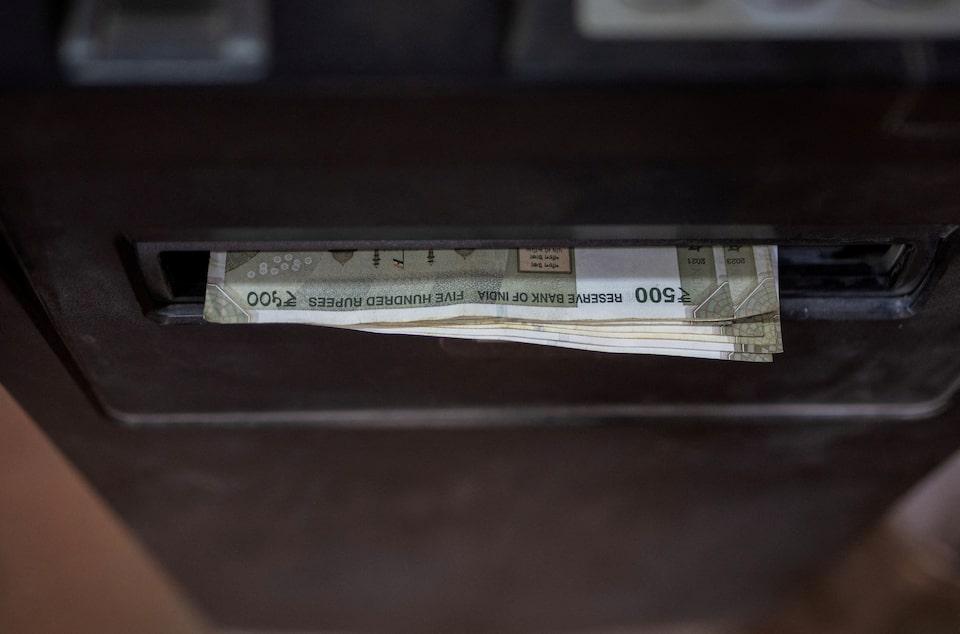
MUMBAI, Sept 16 (Reuters) - The Indian rupee advanced slightly on Tuesday to its strongest level in a week, tracking gains in regional currencies, as the dollar remained on the defensive amid wagers that the U.S. Federal Reserve will deliver a rate cut this week. The rupee rose to a peak of 88.05 per U.S. dollar in early trading and was last up 0.15% on the day at 88.08. Sign up here. Asian currencies rose between 0.1% and 0.4%, with China's yuan briefly revisiting a more than 10-month high of 7.1145 against the U.S. dollar. The Fed is expected to resume its easing cycle this week and potentially leave the door open to further rate cuts, with investors focusing on policymakers' "dot plot" projections for rates and guidance from Chair Jerome Powell. Against a basket of major peers, the dollar was down 0.1% at 97.22. "We have been emphasising our view that the restart of the Fed's easing cycle, alongside concerns about its independence, should put downward pressure on the USD. This thesis will be tested with the outcome from the FOMC decision," analysts at HSBC said in a note. After touching a record low last week, the rupee appears on course to be rangebound in the near-term between 87.50 and 88.45, a trader at a mid-sized private sector bank said. Positive news flow or portfolio inflows could drive the currency above 88 but importers are likely to step in to buy dollars near those levels, the trader added. India and the United States will hold trade talks on Tuesday, New Delhi said, raising hopes for a breakthrough weeks after President Donald Trump imposed punitive tariffs on the South Asian nation for buying Russian oil. Elsewhere, a Bloomberg News report, which said JPMorgan will cut India's weightage in its emerging market bond index by 100 basis points to 9% from next year, had little bearing on debt and currency markets on Tuesday but could be a drag on sentiment. https://www.reuters.com/world/india/rupee-ticks-higher-tracking-asian-peers-importer-activity-may-limit-gains-2025-09-16/
2025-09-16 05:27
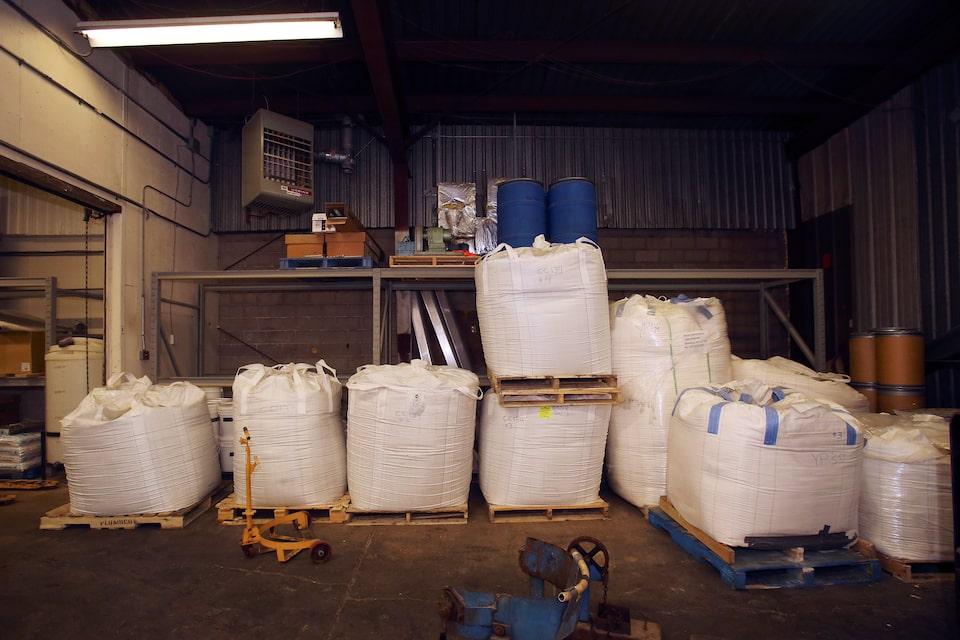
JAKARTA, Sept 16 (Reuters) - Feed millers in Vietnam are taking advantage of bargain prices for Canadian canola meal after China, the product's traditional buyer, curbed purchases by imposing hefty anti-dumping duties earlier this year, three traders said on Tuesday. Vietnamese millers have been importing around 30,000 metric tons a month of Canadian canola meal, used mainly in animal feed, for the past few months, two Singapore-based traders and one Ho Chi Minh-based trader told Reuters on the sidelines of an international industry conference in Jakarta. Sign up here. "The volumes are not huge as compared with what China was buying but shipments are heading to Vietnam," said one of the Singapore traders. "We expect more deals in the coming months." Vietnamese feed makers were paying $220 per metric ton, including cost and freight, for Canadian canola, compared to around $300-$310 per ton paid by Chinese buyers before the duties were imposed in March. The traders declined to be named as they were not authorised to speak to the media. Canadian officials had constructive talks with their Chinese counterparts about Beijing's duties during a recent visit, Prime Minister Mark Carney's office said in a statement on Friday. China, the world's largest importer of canola, imposed preliminary duties of 75.8% on Canadian canola seed imports in August. Earlier, Beijing had imposed a 100% retaliatory tariff on imports of rapeseed meal and oil from Canada, effective March 20. Some Canadian canola meal cargoes, which arrived in China after the 100% duty took effect and are now stuck in bonded warehouses, could be redirected to Vietnam, traders said. Up to 400,000 metric tons of canola meal are sitting in secure warehouses near Chinese ports, with importers facing a 100% duty if they release the cargoes for sale in the domestic market. "Trading companies which have Canadian canola lying in China are trying to sell to feed companies in Vietnam," said the second Singapore trader. "But the demand is not very big." https://www.reuters.com/world/china/vietnamese-feed-makers-buying-canadian-canola-meal-after-china-duties-sources-2025-09-16/
2025-09-16 05:25
New Delhi, Sept 16 (Reuters) - Gold's stellar rally to successive record highs shows every sign of continuing for the rest of the year, but a healthy correction is on the cards before breaching the $4,000 per ounce milestone in 2026, traders and industry experts said. Strong tailwinds such as expectations for monetary easing by the U.S. Federal Reserve, lingering geopolitical tensions, worries over the Federal Reserve's independence, and strong central bank purchases have prompted investors to flock to the precious metal. Sign up here. "The long-term gold bull run looks intact, as demand, particularly from central banks and ETFs, continues to rise at a faster pace," Renisha Chainani, head of research at Mumbai-based refiner Augmont said, on the sidelines of the India Gold Conference in New Delhi. "But gold is currently in overbought territory and may see a 5-6% correction in the short term, before consolidating and rising again to reach new highs above $4,200 in 2026," she said. Spot gold was trading around $3,680 per ounce on Tuesday after hitting a record $3,689.27 earlier in the session, having gained about 40% so far this year, following a 27% jump in 2024. Nearly all industry participants at the conference were expecting gold's bull run to continue into 2026 on a reduction in U.S. interest rates, strong investment demand and geo-political risks. "Analysts have been hedging prices to reach $4,000 in 2026. But it's really difficult to say, because every projection that we've looked at the price has gone to that level much faster than we expected," said Nicholas Frappell, global head of institutional markets at ABC Refinery. The U.S. central bank is widely expected to cut interest rates at the end of their monetary policy meeting on September 17. Trump has been pushing the Fed to cut rates and has repeatedly criticised Federal Reserve Chair Jerome Powell for acting too slowly. Gold, traditionally known as a favoured hedge against geopolitical and economic risks, also thrives in a low-interest rate environment. "Gold prices are in uncharted territory, having not spent too much time in the $3,400's and $3,500's," said Philip Newman, managing director at consultancy Metals Focus, adding the firm expects prices to climb to around $3,800 at the end of the year. "We could see a potential correction ahead after this price rally, but we also see that as a buying opportunity for investors who are waiting on the sidelines to get into the market. We could see gold prices scale above $4,000 in 2026." SILVER BREAKOUT Silver, both an investment asset and an industrial metal used in electronics and solar panels, has performed well on the back of gold's strength and firm physical demand amid deficit worries. The metal was trading at around $42.50 per ounce on Tuesday, its highest level in 14 years. "Besides the usual industrial use, growing investor interest has been giving silver prices a solid push," said Chirag Thakkar, chief executive of Amrapali Group Gujarat, a leading silver importer. https://www.reuters.com/world/china/gold-uptrend-intact-due-correction-before-topping-4000-2026-2025-09-16/

2025-09-16 05:17
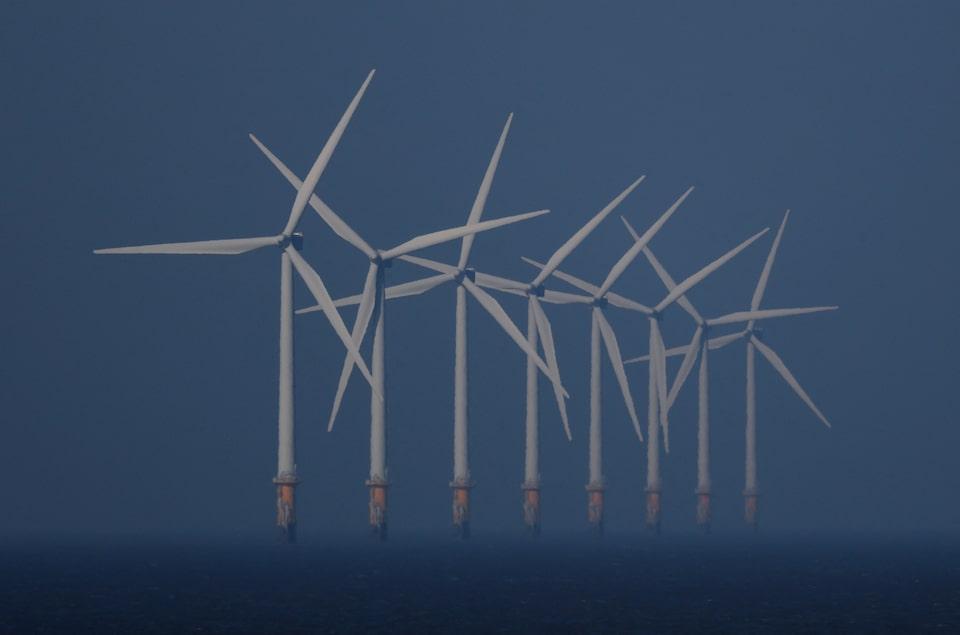
LITTLETON, Colorado, Sept 16 (Reuters) - The outlook for wind speeds around the United Kingdom this autumn and winter will likely be decisive for the UK's gas market over the coming months, with potentially far-reaching consequences for Europe's gas and power arenas. Any extension of the below-normal wind farm output seen so far this year could trigger a steep rise in gas use by UK power firms heading into winter, with tighter gas supplies and higher gas prices a likely outcome. Sign up here. A strong late-year rebound in UK wind power output, however, could lead to reduced domestic gas use by UK power firms, and potentially higher gas and power exports by the UK during Europe's key gas consumption period over the winter. SUB-PAR 2025 FOR WIND... SO FAR Monthly UK wind electricity generation fell below the year-before output total during six of the first eight months of 2025, data from Ember shows. Total wind electricity output so far this year was just over 48 terawatt hours (TWh), which was 8.3% or 4.3 TWh less than during the same months in 2024. The wind output total for the January through August stretch was the lowest for that period since 2022, and resulted in wind farms accounting for the lowest share of the UK's electricity generation mix since 2022. Wind farms generated 31.9% of the UK's utility-scale electricity supplies during January to August, compared to close to 35% for the same months in 2024. GAS OFFSET To offset the dip in output from UK wind farms, UK power firms dialled up gas-fired power generation by 17.5% from the same months last year, and to the highest in two years. The closure of the UK's last remaining coal-fired power plant last September also helped boost gas-fired generation this year, and also led to the highest power generation total on record from the UK's diesel-fired power stations. Gas-fired power accounted for 33% of UK utility electricity generation, which is up from a 29% share during the same period in 2024. Going forward, gas will remain the UK power sector's main source of dispatchable power, especially during periods when intermittent output from wind farms falls short of expectations. Gas will also be the power sector's main heating source during upcoming cold spells in the UK, where temperatures are forecast to trend lower going forward but should hold above the long-term average for the coming month, data from LSEG shows. SEASONAL UPSWINGS Both wind and gas generation tend to see upswings heading into the latter months of the year. Wind electricity production in particular has historically seen a sharp upturn during the final quarter of the year compared to the July to September quarter, as wind speeds at turbine level pick up with the change of season. Between 2019 and 2024, wind electricity generation in the UK during the final three months of the year jumped by an average of 65% compared to the average generation during the July to September quarter, Ember data shows. Wind power's share of the UK generation mix also historically increases notably as the year progresses, from an average of around 30% a month during the middle of the year to closer to 40% during the peak winter months. UK power generation from fossil fuel power plants also historically rises from mid-year into winter. Between 2019 and 2024, total fossil fuel electricity generation during the last three months of the year averaged around 18% more than the output levels during July to September, due to higher demand for heating in winter. Historically, both coal-fired and gas-fired power plants were cranked up to generate that higher power supply, but with the UK's coal plants now closed gas plants will do most of the wintertime heavy lifting going forward. TIGHT STOCKS A key constraint on UK gas generation potential during the coming winter will be the volume of gas supplies on hand during any sudden cold snaps which trigger a demand surge. Historically, the UK has relied mainly on its pipeline network from its own production fields and from exporter nations for its gas supplies, and so does not tend to maintain a large volume of inventories in domestic storage tanks. However, given the lack of back-up coal plants since late 2024, the UK power system is expected to increase the overall volume of gas it consumes during peak demand periods. That in turn is expected to put its existing supply networks under strain during any unexpected bouts of higher gas use, and lead to more regular drawdowns on existing stockpiles. Stock drawdowns have already been evident so far this year, with average inventories from January 1 through September 15 41% less than during the same period in 2024, and the lowest since 2021. Gas traders have historically used the months of September and October to rebuild stockpiles ahead of the winter rush, and so still have time to stock up this year. And power firms can traditionally rely on greater power supplies from wind farms to meet much of any additional load requirements during cold and breezy days. But with UK wind output still consistently holding below year-earlier levels, some power suppliers may start to worry that wind output may remain stunted for the rest of 2025, and that higher gas generation will be needed to balance system needs. For gas traders, that in turn could trigger consistently above-normal gas demand through the end of the year, as well as periods of sharply higher gas demand whenever power demand spikes during cold snaps. Just how big the swings in gas use will be closely linked to wind farm output, which gas traders will need to watch more closely than ever during the coming autumn and winter. The opinions expressed here are those of the author, a columnist for Reuters. Enjoying this column? Check out Reuters Open Interest (ROI), your essential new source for global financial commentary. ROI delivers thought-provoking, data-driven analysis of everything from swap rates to soybeans. Markets are moving faster than ever. ROI can help you keep up. Follow ROI on LinkedIn , opens new tab and X , opens new tab. https://www.reuters.com/markets/commodities/uk-gas-traders-need-watch-how-wind-blows-this-winter-2025-09-16/