2025-09-11 12:29
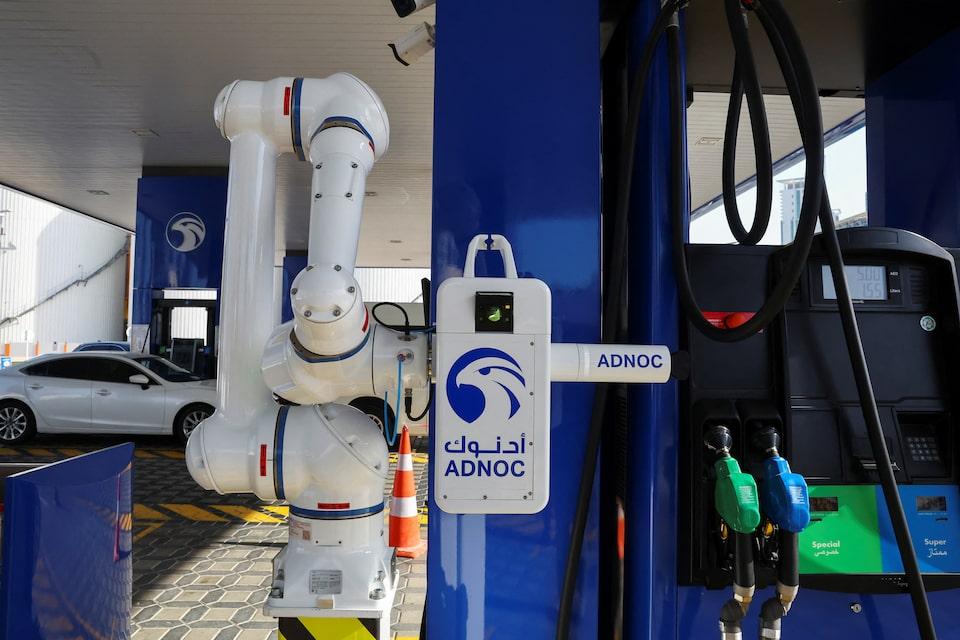
Sept 11 (Reuters) - Abu Dhabi National Oil Company (ADNOC) said on Thursday it has transferred its shareholdings in several of its listed subsidiaries to XRG, its international investment arm for which it has ambitious growth plans. The state oil giant said the transfers, including stakes in ADNOC Distribution, ADNOC Drilling, ADNOC Gas, and ADNOC Logistics & Services, will not affect the operations, leadership or strategic direction of the companies, including dividend policies. ADNOC owns a 100% stake in XRG so ultimate control will not change. Sign up here. "These internal transfers will further strengthen XRG's size and financial position, and drive its long-term development, through access to stable and attractive dividend streams, supported by the listed companies' existing disciplined growth and capital return agendas," ADNOC said. The transfers of ADNOC's stakes in ADNOC Distribution, ADNOC Gas and ADNOC Logistics & Services were completed earlier on Thursday via off-market transactions on the Abu Dhabi Securities Exchange (ADX). The transfer of ADNOC Drilling will follow pending regulatory approvals. ADNOC also said its entire stake in fertilizer maker Fertiglobe is already held through XRG. It reiterated plans to transfer its stake in the planned Borouge Group International (BGI) to XRG once the transaction is completed and approved. BGI is a new entity to be formed through the merger of Borouge and Austria's Borealis, which will also acquire Canada's NOVA Chemicals. Launched in November 2024, XRG is ADNOC's vehicle for international energy investments, with a focus on natural gas, chemicals and scalable energy solutions. https://www.reuters.com/business/energy/adnoc-transfers-stakes-listed-units-international-arm-xrg-2025-09-11/
2025-09-11 12:22
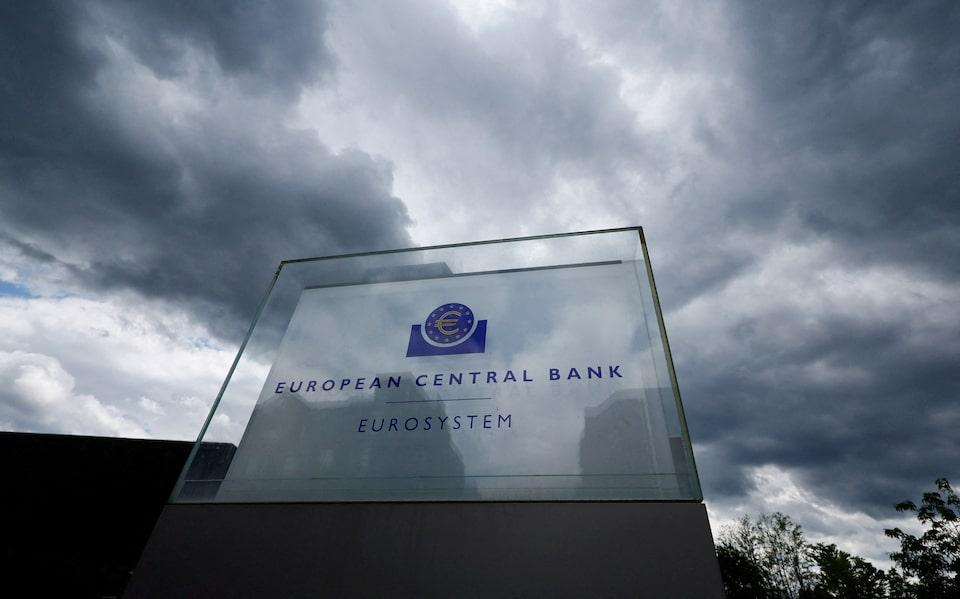
Deposit rate unchanged at 2% as expected Inflation seen below 2% at end of projection horizon Debate over more easing to simmer for months Economy holding up but tariffs impact not yet fully felt Lagarde press conference at 1245 GMT FRANKFURT, Sept 11 (Reuters) - The European Central Bank left interest rates unchanged on Thursday as expected but offered no clues about its next move, even as investors continue to bet that more support will be needed as inflation dips below target next year. The ECB halved its key rate to 2% in the year to June but has been on hold ever since, arguing that the 20-country euro zone economy is in a "good place", even if more easing cannot be ruled out. Sign up here. Recent data has confirmed this sanguine view, giving policymakers time to understand how U.S. tariffs, higher German government spending, looming Federal Reserve rate cuts and political turmoil in France might impact growth and inflation. "The Governing Council is determined to ensure that inflation stabilises at its 2% target in the medium term," the ECB said in a statement. "The Governing Council is not pre-committing to a particular rate path." Such a cautious statement makes it likely that ECB President Christine Lagarde will remain "deliberately uninformative" about the future path of interest rates when she speaks at a 1245 GMT news conference. But Lagarde is unlikely to close the door on further rate cuts, especially since inflation is projected to temporarily dip below the ECB's 2% target next year, keeping alive market bets that a final "insurance" cut could come around year-end. Inflation is now seen at 1.9% in 2027, below the 2.0% projected in June, and core inflation is seen at 1.8% then, both below the 2% target, fresh projections showed. In any case, the public debate is at the margins and focuses on just a single rate cut, indicating that the ECB is done with the bulk of changes to monetary policy, with rates likely to stay around this level for an extended period. Investors see a 50-60% chance of one last cut by next spring, even as they expect the Fed to ease U.S. borrowing costs six times by the end of 2026. RISKS The key debate is around how policymakers see risks. Hawkish Governing Council members, who are opposed to further easing, say the euro zone economy has been unexpectedly resilient in the face of trade tensions and that growth is well supported by buoyant private consumption. They point to rebounding industrial production and a surge in German government spending to argue that growth will remain on a moderately upward path. Although U.S. President Donald Trump's 15% tariffs on European Union imports are higher than predicted, firms are showing adaptability and the certainty of having agreed a deal offsets some of the negatives. But policy doves say that tariffs have yet to fully work their way through the economy and could dampen an already low growth rate, reversing the rise in consumption. This could then weigh on prices next year, just when inflation is seen dipping below target, raising the risk that firms will change their pricing and wage-setting, thus entrenching anaemic price growth. The Fed's looming rate cuts are meanwhile likely to help the euro firm against the dollar, putting downward pressure on prices. A fresh bout of political chaos in Paris, which has pushed French bond yields sharply higher, is another headache for the euro zone's central bank. It has tools to intervene, but only for an "unwarranted and disorderly" rise in borrowing costs, which economists say is clearly not the case now, given France's high debt and feeble economic growth. https://www.reuters.com/markets/europe/ecb-holds-rates-unchanged-offers-no-clues-about-next-move-2025-09-10/
2025-09-11 12:21
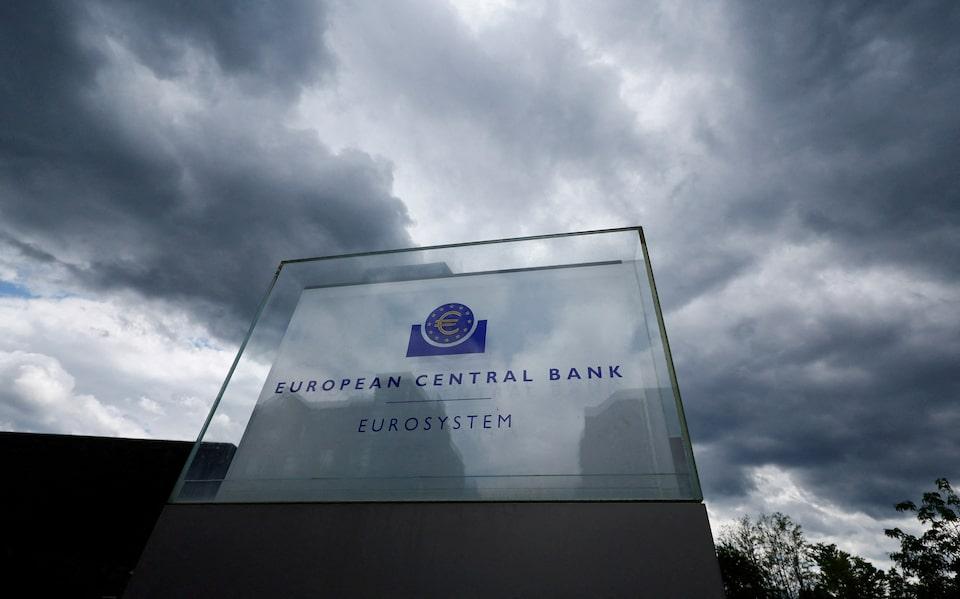
FRANKFURT, Sept 11 (Reuters) - The European Central Bank left borrowing costs unchanged on Thursday and raised its growth forecast for this year on the back of a more resilient economy. The ECB left the rate it pays on bank deposits at 2% for the second meeting in a row, after halving it in the space of a year as inflation fell towards its 2% target. Sign up here. The central bank for the 20 countries that share the euro refrained from providing any indication about the future path for interest rates. "The Governing Council...will follow a data-dependent and meeting-by-meeting approach to determining the appropriate monetary policy stance," the ECB said in a press release. On top of the announced U.S. trade tariffs, the ECB has to reckon with a weakening labour market in the United States - the biggest customer for euro zone companies - and political and debt troubles in France, its second-biggest member economy. Policymakers told Reuters before the meeting that conversations about a further rate cut were likely to resume in the autumn if U.S. import tariffs take a toll on euro zone growth. On the upside, Germany's plan for more defence spending was expected to boost inflation and growth later on. ECB President Christine Lagarde will hold a news conference at 1245 GMT. With Thursday's decision, the ECB also left the rates that banks pay to borrow at its weekly and daily auctions unchanged at 2.15% and 2.40% respectively. These facilities have been used very little in recent years as cash is abundant in the banking system, a legacy of the ECB's past stimulus programmes. https://www.reuters.com/business/finance/ecb-leaves-rates-unchanged-economy-shows-resilience-2025-09-11/
2025-09-11 12:08
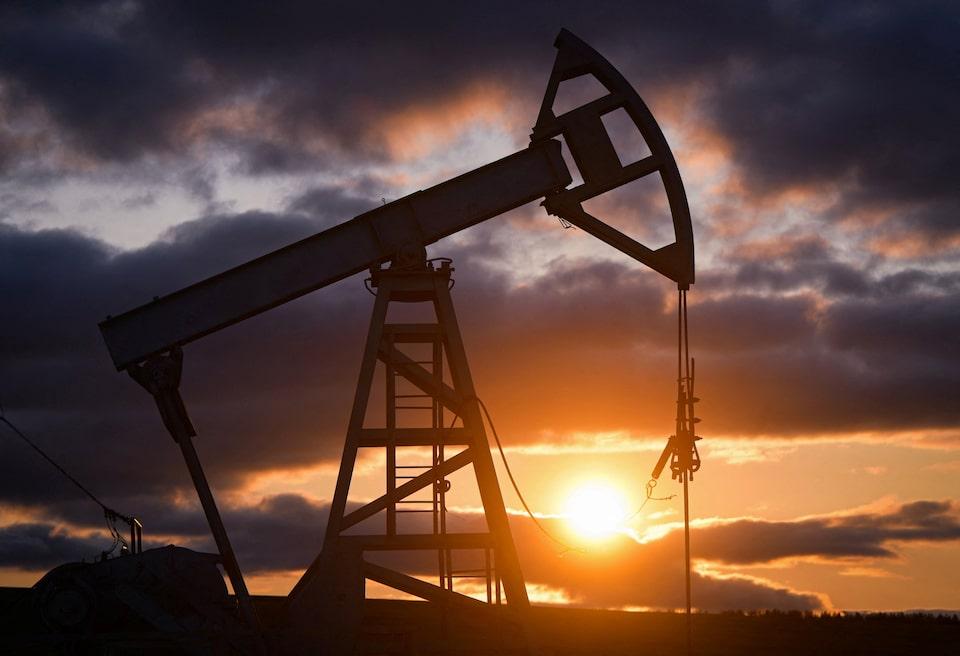
MOSCOW, Sept 11 (Reuters) - Russian oil production increased in August to 9.173 million barrels per day, up 50,000 bpd from July, OPEC monthly data showed on Thursday. That was still less than Russia's August quota of 9.344 million bpd under an OPEC+ agreement. Sign up here. The OPEC figure was in contrast with the International Energy Agency's assessment, which showed that Russian oil output declined last month by 30,000 bpd to 9.3 million bpd. OPEC also said that Kazakhstan's oil output last month dipped by 23,000 bpd to 1.814 million bpd, compared with an IEA estimate of 1.8 million bpd. https://www.reuters.com/business/energy/russian-oil-output-rises-august-opec-data-shows-2025-09-11/
2025-09-11 12:02
LONDON, Sept 11 (Reuters) - OPEC made no changes on Thursday to its relatively high global oil demand growth forecasts for this year and next, and said the world economy was maintaining a solid growth trend in the second half of this year. The upbeat OPEC outlook, in a monthly report, follows the decision of the wider OPEC+ producer group on Sunday to further raise its oil output quotas from October as its leader Saudi Arabia pushes to regain market share. Sign up here. "Global economic growth in the first half of 2025 remained robust, and the sound growth trend has extended into the second half of 2025," OPEC said in the report. OPEC's report also showed that in August OPEC+ raised crude output by 509,000 barrels per day, reflecting its earlier decisions to increase its output quotas. https://www.reuters.com/business/energy/opec-sticks-oil-demand-forecasts-says-economy-doing-well-2025-09-11/
2025-09-11 12:00
SINGAPORE, Sept 11 (Reuters) - The global crude oil market is facing two long-term fundamental shifts that will change how cargoes flow around the world and how they are priced. The first factor is a supply and demand issue, with the vast majority of demand growth concentrated in Asia but the supply growth largely coming from the Americas outside of the United States. Sign up here. The second is that energy markets are being increasingly subjected to political influences and the risk is that large blocs of supply are cut off from demand centres, as has been seen with Europe largely ending its purchases of Russian oil in the wake of Moscow's invasion of Ukraine. These two factors will once again force the oil market to adapt, with longer vessel voyages, issues around obtaining suitable crude quality for refinery configurations and how to price new flows from one region to another. The swing to new production out of the Americas was highlighted in a presentation by analysts from Argus Media during this week APPEC oil gathering in Singapore. Crude from the Americas represents 85% of the increase in incremental global supply from non-OPEC sources from 2024 to 2030, Argus said, adding that amounted to 3.63 million barrels per day (bpd). Only a small proportion of this comes from the United States, with the world's largest oil producer expected to see only modest increases in output in coming years. Larger contributions come from Canada, Brazil, Guyana, Argentina and Suriname, with some decline expected from Mexico as fields mature. In contrast to the supply growth, the demand growth is concentrated in the East of Suez markets, Argus said, with India leading with an expected gain of 2 million bpd from 2024 to 2030. Outside of India, the rest of the Asia-Pacific region is forecast to add 600,000 bpd of demand over the period, while China actually loses 100,000 bpd as it moves rapidly to electrifying its transport fleet. Oil demand is forecast by Argus to rise from 2024 to 2030 by 1 million bpd in the Middle East, by 600,000 bpd in Africa and by 500,000 bpd in Latin America. But the main takeaway is that 90% of expected demand growth is in the East of Suez markets. There is already evidence of rising flows from the Americas to Asia, with volumes hitting a quarterly record high of 4.09 million bpd in the April to June period, according to data compiled by commodity analysts Kpler. This was up from 3.6 million bpd in the first quarter and meant that oil from the Americas accounted for about 16% of Asia's seaborne imports in the second quarter. CHALLENGES The oil industry has a solid track record in adapting to changing flows, so it's reasonable to expect that physically moving crude from the Americas to Asia will be feasible, even if it's more costly. What may be more challenging is dealing with the new grades, which skew towards being lighter and sweeter, with the exception of Canada's heavy crude. It's likely that there will be a surplus of light, sweet crudes at a time when the rising electrification of vehicles cuts demand for gasoline, the main product from such grades. If more oil moves from the Americas to Asia the question also arises as to how it will be priced. Will the West Texas Intermediate (WTI) benchmark become more important than the current global light crude standard bearer Brent, or will cargoes move to being priced more on a delivered to Asia basis? The other big question is how will geopolitics play out in crude markets over the longer term. U.S. President Donald Trump has made it clear that he sees energy as a political tool, making commitments to buy U.S. crude and liquefied natural gas key parts of his trade negotiations with countries. But while this may boost purchases of U.S. crude by some countries that have reached deals, such as Japan and South Korea, it also means that countries without a deal, such as China and India, are likely to shun U.S. energy. While crude markets have been totally free from politics, it is likely that trading will become more polarised in coming years, with importing nations being forced to choose between suppliers Trump approves of and those he disagrees with. The problem is Trump has shown he can shift allegiances fairly quickly, which may complicate oil flows while he remains in office. Enjoying this column? Check out Reuters Open Interest (ROI), your essential new source for global financial commentary. ROI delivers thought-provoking, data-driven analysis of everything from swap rates to soybeans. Markets are moving faster than ever. ROI can help you keep up. Follow ROI on LinkedIn , opens new tab and X , opens new tab. The views expressed here are those of the author, a columnist for Reuters. https://www.reuters.com/markets/commodities/crude-oil-be-driven-longer-term-by-supply-demand-mismatch-geopolitics-2025-09-11/


