2025-09-11 06:00
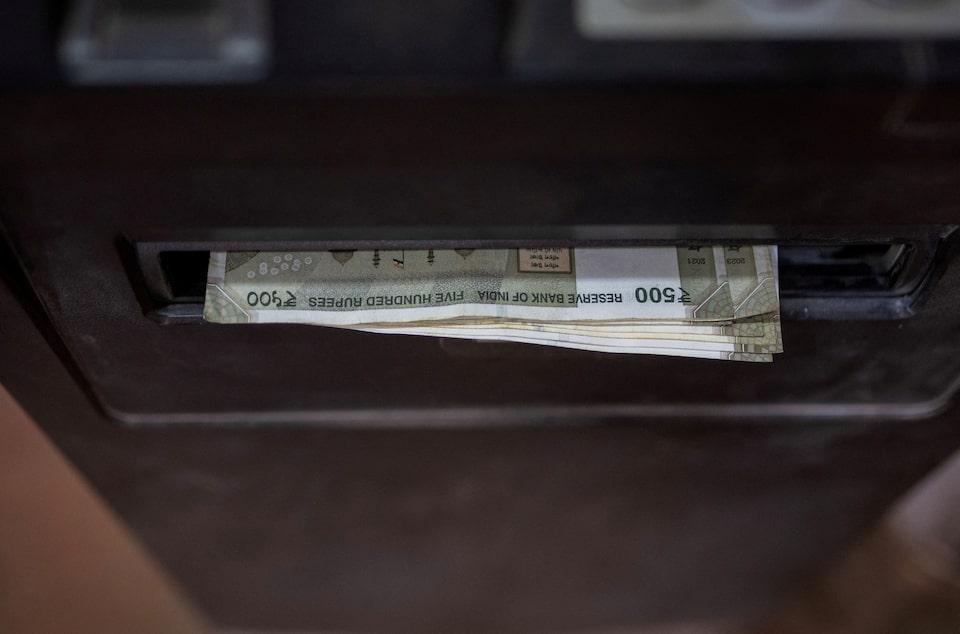
Sanctions coordination is weaker under Trump admin, analyst says EU and UK revised price cap lower, U.S. declined support Price cap is still relevant, EU official says EU envoy in Washington for talks on Russia sanctions LONDON/BRUSSELS/NEW DELHI, Sept 10 (Reuters) - The growing policy divide between the United States and the European Union on Russian oil exports to India is likely to play out in a small reduction in crude flows in October, analysts and trade sources with knowledge of loading plans said. The U.S., EU and G7 allies sanctioned Russian imports after Moscow’s invasion of Ukraine, and prohibited insurers and maritime service providers from facilitating exports to third countries unless they were below a price cap. Sign up here. The purpose of the cap was to limit the price that importers could pay for Russian oil while keeping shipments flowing, thereby reducing Russian oil revenue and preventing a supply crunch that would push up oil prices. The scheme effectively encouraged India and China to buy the oil at discounted prices. U.S. President Donald Trump has, however, changed policy on Russian exports to India. He has demanded India stop buying Russian oil completely and then doubled tariffs to as much as 50% on Indian exports to the United States when New Delhi refused to halt the oil imports. Trump is using the tariffs on India, the top importer of Russian seaborne oil, to force Moscow to make peace in Ukraine. Trump's demand for a halt in the trade is at odds with the price cap scheme, which aims to keep Russian oil exports moving to India, China and other buyers such as Turkey. "Sanctions coordination between the U.S. and the other G7 nations does seem to have largely broken down under the Trump administration," said consultancy Energy Aspects' head of geopolitics Richard Bronze. In a sign that may change, European Commission chief Ursula von der Leyen said on Wednesday the EU is considering a faster phase-out of Russian fossil fuels as part of new sanctions against Moscow. The EU's sanctions envoy and an EU team are in Washington to discuss possible further sanctions. Indian importers of Russian oil are pushing for bigger discounts from Russian sellers as the potential risks from participating in the trade rise, four traders involved in sales told Reuters. Indian buyers said discounts need to widen to around $10 per barrel to benchmark Brent prices to meet price cap levels as banks have tightened scrutiny due to discord between EU and U.S. policies on Russian oil. That is much wider than discounts of $2-3 per barrel seen in September, the traders said. Some Russian sellers have responded by saying Indian buyers were asking for too deep a discount and said they would send some October spot cargoes to China instead, which would lead to a slight decline in volumes for India, two trading sources said. OCTOBER VOLUMES TO DROP Russian crude arriving in India in October will average about 1.4 million barrels per day, a source with knowledge of loading plans said. That would be down from 1.5 million bpd in August and 1.6 million bpd in September, according to sources. The final volumes for October will become clearer when talks between buyers and sellers are completed in the next two weeks. Whatever the outcome, crude for October will be sold above the price cap in most cases to India as even a discount of $10 per barrel will not bring Russian oil prices below the new EU and UK price cap of $47.60 a barrel. The EU lowered the price cap for Russian oil from October, allowing Western insurers and shippers to provide services only if crude is sold below $47.60 a barrel, down from the previous cap of $60 per barrel. The U.S. did not support the cut in the price cap. Brent traded at $67 per barrel on Wednesday. The European Commission would try to align all G7 members with the new lower price cap in the future, the Commission's spokesperson told Reuters. The price cap was still relevant as Western shippers were still transporting Russian oil, he said. The lower price cap would make it harder for Western shippers to continue facilitating the trade. "A growing split on oil sanctions policy will further increase confusion for market participants and potentially weaken levels of compliance," said Tom Boughton from risk consultancy S-RM. Russia is also using tankers from the so-called shadow fleet - a fleet of tankers with Russian connections, which is covered by Russian ship insurance. Due to the lack of Western service providers in these trades, the shadow fleet operates outside of the price cap scheme. Russian firms and traders have managed to sell most oil above the price cap since 2022 either thanks to using their own fleet or by forging documents related to sales, according to traders, Western intelligence sources and market analysts. Poor sanction enforcement has encouraged traders to push boundaries or ignore sanctions altogether as they do not fear penalties, Energy Aspects' Bronze said. The price cap is likely to remain a hindrance to Russian traders of oil, but not a major threat, said Benjamin Godwin, partner at risk consultancy PRISM Strategic Intelligence. "Both the U.S. and EU could make serious moves to choke Russia’s oil and gas industry, but they would be extremely disruptive to global economic activity," said Godwin. https://www.reuters.com/sustainability/climate-energy/eu-us-policy-divide-russian-oil-sales-india-hit-october-trade-2025-09-10/
2025-09-11 05:23
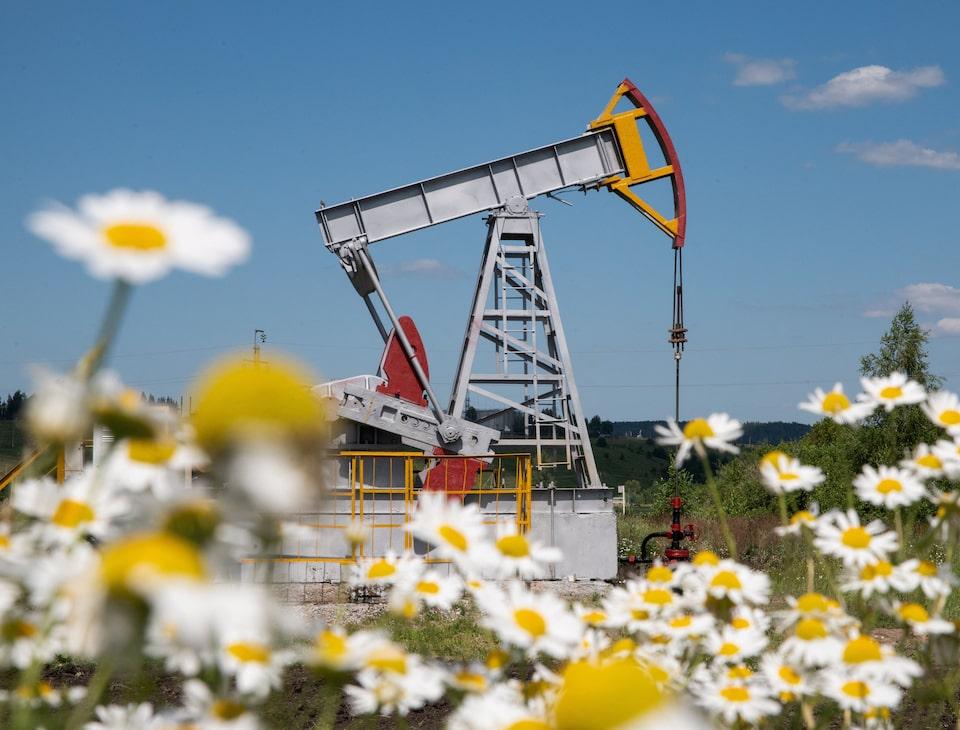
Markets await US CPI data later on Thursday ECB rate decision due at 1215 GMT Australian dollar nears strongest level since November SINGAPORE, Sept 11 (Reuters) - The dollar stabilised in Asia on Thursday after an unexpected drop in U.S. factory-gate prices bolstered expectations the Federal Reserve will cut rates next week, with traders now awaiting U.S. consumer price data later in the day. The dollar index nudged up 0.1% to 97.83, rising for a third consecutive day after the Producer Price Index for final demand fell 0.1% during August, the Labor Department's Bureau of Labor Statistics said on Wednesday. The decline followed a 0.7% jump in July, which was also revised downwards. Sign up here. "The market has positioned for the Fed to ease in September and potentially ease three times this year," said Rodrigo Catril, currency strategist at National Australia Bank in Sydney. "The benign outcome from the PPI tells you pricing expectations look about right." Markets are trading on expectations that the prospect of the Fed easing is a certainty and the only remaining question is by how much. Traders are pricing in an 8.9% chance of a jumbo 50 basis points (bps) rate cut at the central bank's September 16-17 meeting, while a cut of at least 25 bps is viewed as a done deal, according to the CME Group's FedWatch tool. Appointments to the Fed's rate-setting panel remained in focus, as President Donald Trump's administration on Wednesday moved to appeal a federal judge's ruling temporarily blocking Trump from taking the unprecedented step of firing Federal Reserve Governor Lisa Cook. The White House is seeking to remove her before the U.S. central bank's meeting next week. Stephen Miran also moved closer to becoming a Federal Reserve governor, furthering Trump's effort to exert more direct control over interest rate policy. The Senate Banking Committee voted to advance Miran's nomination, though lawmakers involved said it is far from certain if the process can be completed in time for him to participate in the coming meeting. The euro edged 0.04% upwards to $1.1699 ahead of the European Central Bank's policy meeting later on Thursday, where it is widely expected to keep rates on hold. Analysts said policymakers may strike a more dovish tone to counter a fraught trade and political outlook across the continent. The single currency is stabilising after a two-day streak of declines as geopolitical tensions continue on the bloc's Eastern flank. Poland said it shot down suspected Russian drones in its airspace on Wednesday with the backing of aircraft from its NATO allies, the first time a member of the Western military alliance is known to have fired shots during Russia's war in Ukraine. Against the yen, the dollar was trading flat at 147.43 yen , after data showing Japanese wholesale prices rose 2.7% in the year to August, accelerating from the previous month in a sign of sticky inflationary pressure in the world's fourth-largest economy. The Australian dollar slipped 0.1% to $0.66095 , retreating after hitting the highest levels since November on Wednesday, as commodities including crude oil and gold gave up recent gains. The offshore yuan traded at 7.1184 yuan per dollar , strengthening 0.03% in early Asian trade. The kiwi slipped 0.1% to $0.5936 . Sterling traded at $1.3525 , unchanged so far on the day. https://www.reuters.com/world/africa/dollar-steady-inflation-data-central-banks-take-focus-2025-09-11/
2025-09-11 04:36
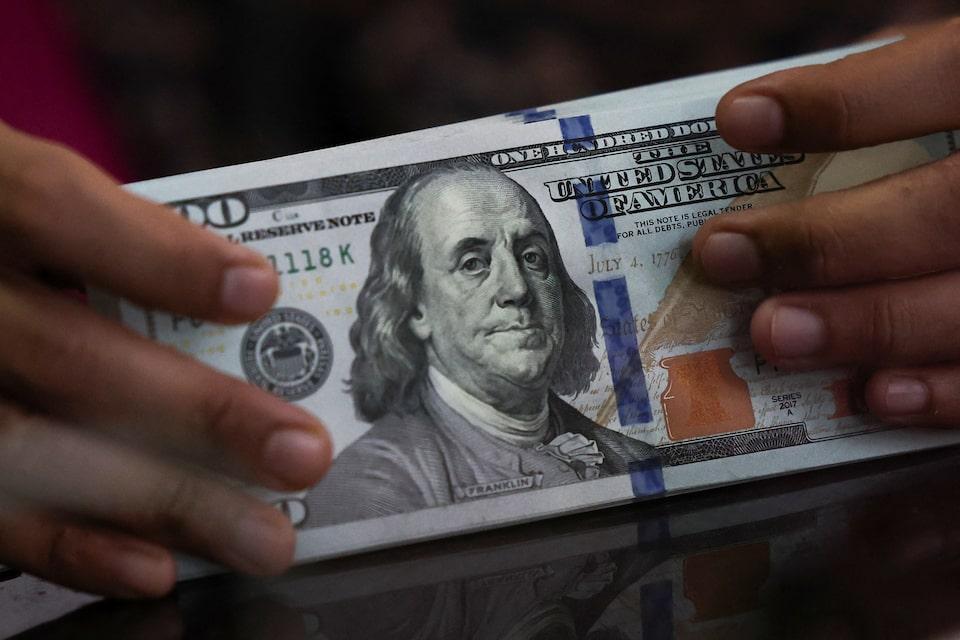
A look at the day ahead in European and global markets from Stella Qiu It was Oracle mania that lighted a fire under Asian tech stocks on Thursday, as Japan (.N225) , opens new tab, Taiwan (.TWII) , opens new tab and South Korea (.KS11) , opens new tab set records in what was otherwise set to be a subdued session before high-stakes U.S. inflation data. Sign up here. Tech investor SoftBank (9984.T) , opens new tab surged 9% in Tokyo after Stargate Project partner Oracle (ORCL.N) , opens new tab soared 36% in its biggest one-day gain since 1992, taking the 48-year-old tech firm close to the exclusive $1 trillion market-cap club. That was all thanks to Oracle's expectations that AI will drive demand for its cloud infrastructure. That prompted pretty much everything AI-related in Asia to rise, by 1.2% in the Nikkei, 1% in Taiwan and 1.8% for Chinese blue chips (.CSI300) , opens new tab. AI fever did not stretch to European stocks which looked set for a muted open ahead of an interest rate decision from the European Central Bank. EUROSTOXX 50 futures inched up a 0.1%; German futures even less. The ECB, which halved its policy rate to 2% in the year to June, is widely expected to hold steady, leaving the focus on whether it keeps the door ajar for further policy easing. Markets imply about a 60% chance of a move by early next year. The next big risk event will be U.S. consumer price index data. The headline CPI likely rose 2.9% from a year earlier, the fastest pace since January, while the core measure likely held at 3.1%, a Reuters poll showed. A benign producer price index report has fanned hope for an in-line CPI, or at least nothing above 3%. Given downside risk to the labour market, investors are wagering it would take a shocking number to derail a quarter-point rate cut from the Federal Reserve next week, which is more than fully priced in. For all of 2025, futures are pricing in total easing of 67 basis points, equivalent to two to three interest rate cuts. A tame CPI report could fuel bets of a 50 basis-point cut from the Fed next week, slug the dollar and drive Treasury yields lower. A wild report would make things tricky for the Fed and lead markets to price out a third cut for this year. Key developments that could influence markets on Thursday: https://www.reuters.com/world/china/global-markets-view-europe-2025-09-11/
2025-09-11 04:29
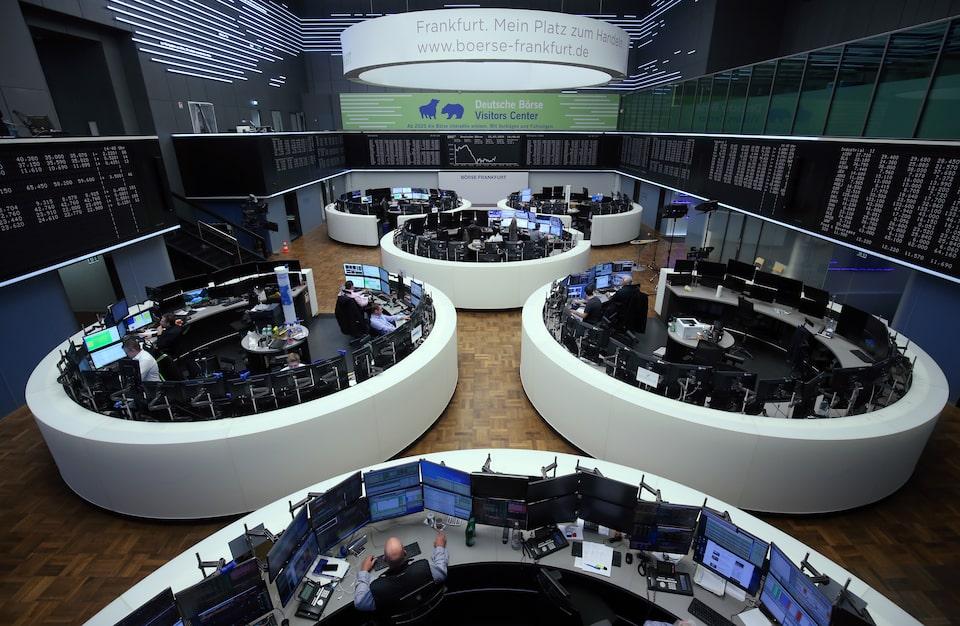
Sept 10 (Reuters) - Stablecoin issuer Figure Technology, along with some of its existing investors, raised $787.5 million in a U.S. initial public offering on Wednesday, becoming the latest crypto firm to tap public markets as digital assets gain mainstream acceptance. A string of regulatory wins under a pro-crypto White House, corporate treasury adoption and inflows from exchange-traded funds have spurred listings from the sector, which recently surpassed a market value of $4 trillion. Sign up here. The New York-based company and certain existing investors sold 31.5 million shares at $25 each, above its previously increased range of $20 to $22 apiece. The IPO valued Figure at $5.29 billion. Figure also raised the number of shares offered to 31.5 million from 26 million on Tuesday. The company will begin trading on the Nasdaq from Thursday under the ticker symbol "FIGR". Goldman Sachs, Jefferies and BofA Securities were the lead underwriters of the IPO. Founded in 2018, Figure leverages blockchain technology to connect lenders and borrowers of home loans. The company, according to its IPO paperwork, funds home equity loans in just 10 days, compared to the industry average of 42 days. Billionaire investor Stanley Druckenmiller's Duquesne Family Office had indicated interest in buying up to $50 million worth of shares from Figure's offering. Separately, Swedish fintech firm Klarna's (KLAR.N) , opens new tab shares jumped 30% in their long-awaited debut earlier in the day, signaling a strong rebound in the U.S. IPO market this fall, as record-high equity valuations and growing expectations of an interest rate cut boost investor sentiment. Crypto exchange Gemini, transit tech Via, and coffee chain Black Rock Coffee are also lined up to price their IPOs on Thursday. https://www.reuters.com/business/finance/blockchain-lender-figure-raises-7875-million-us-ipo-2025-09-11/

2025-09-11 04:11
TOKYO, Sept 11 (Reuters) - The Bank of Japan will raise its key interest rate by at least 25 basis points in the October-December quarter, a majority of economists said in a Reuters poll, down from nearly two-thirds a month ago. Even as markets expect the U.S. Federal Reserve to cut interest rates next week, 93% of analysts in the September 2-9 poll who answered an extra question said that would not delay the BOJ's push for slightly tighter monetary conditions. Sign up here. All but three of 68 economists surveyed forecast no change to interest rates at the BOJ's upcoming September 18-19 policy meeting. The Fed meets September 16-17. However, 55%, or 36 of 66, expected the central bank to raise borrowing costs to at least 0.75% from 0.50% next quarter, a decrease from 63% in last month's poll but in line with July's 54%. "The BOJ will likely wish to adjust its current monetary easing stance, given the risks of accelerating yen depreciation and asset bubbles," said Atsushi Takeda, chief economist at Itochu Economic Research Institute. "Should the impact of (U.S. President Donald) Trump's tariffs become clear from trade data and the 'tankan' survey, an October rate hike becomes feasible." The BOJ could also hike rates in October if the "tankan" survey and the branch managers' meetings show wages and inflation would rise gradually even with U.S. tariffs, said Yusuke Matsuo, senior market economist at Mizuho Securities. A median prediction for the year-end rate was 0.75%, unchanged from last month's poll. Financial markets are pricing in an over 50% chance of a rate hike by year-end. BOJ Deputy Governor Ryozo Himino said last week the bank should keep raising interest rates but warned global economic uncertainty remains high, suggesting it was in no rush to hike still-low borrowing costs. Additionally, the central bank could push back hiking the interest rate depending on who will replace outgoing Prime Minister Shigeru Ishiba. The likelihood of further rate hikes would "significantly diminish" should Sanae Takaichi, a fiscal dove, become the next prime minister, said Masato Koike, senior economist at Sompo Institute Plus. Over three-quarters of economists who answered an extra question, 22 of 29, said they did not expect the rate of pay increase in next year's labour-management negotiations to exceed this year's 5.25%. The median of 26 economists who offered their view on the rate was 4.80%. "The deterioration in the global and U.S. economies caused by U.S. tariff policies is expected to weigh on Japanese corporate profits and economic outlook," said Masamichi Adachi, economist at UBS Securities. "Nevertheless, it is anticipated that growth will remain around 5%, allowing the BOJ to conclude that the 'virtuous cycle' of wages and prices is being sustained." (Other stories from the September Reuters global economic poll) https://www.reuters.com/business/boj-raise-interest-rate-again-q4-majority-economists-say-2025-09-11/

2025-09-11 03:00
MUMBAI, Sept 11 (Reuters) - The Indian rupee is expected to be largely range-bound on Thursday, with traders staying put amid muted momentum and in the lead up to key U.S. inflation data that could steer expectations for the Federal Reserve’s rate cut next week. The one-month non-deliverable forward pegged the rupee to open near 88.10, unchanged from Wednesday, with moves seen capped at 5–7 paisa on either side. Sign up here. "The rupee is basically stuck where it is, and the price action tells you it wants to stay that way," a Mumbai-based FX trader said. "The U.S. inflation data will decide the short-term direction for the dollar; however, I don’t think it can push the rupee too far away from 88," a Mumbai-based FX trader said. The rupee has been unable to sustain moves past the 88 level due to persistent dollar demand, likely driven by the U.S. tariff overhang, which has capped the upside. On the other hand, declines past 88 have lacked momentum, keeping the currency boxed in. While the rupee hit a record low of 88.36 last Friday, the price action has been broadly subdued since then with little follow-through. ASIA WEAK, FOCUS ON US INFLATION Asian currencies logged small losses on Thursday while the dollar index inched higher, with investors eyeing the consumer U.S. inflation data, due later in the day. A Reuters poll of economists expects August core inflation to rise 0.3% month-on-month. The inflation reading will land at a time when markets are fully pricing a 25-basis-point rate cut from the Federal Reserve next week amid worries over the labour market. Analysts say a larger move cannot be ruled out if the data backs it. "A benign inflation report could open the prospect of a 50 basis points cut," Chris Weston, head of research at Melbourne-based broker Pepperstone, said. KEY INDICATORS: ** One-month non-deliverable rupee forward at 88.22; onshore one-month forward premium at 12.5 paise ** Dollar index up at 97.84 ** Brent crude futures down 0% at $67.5 per barrel ** Ten-year U.S. note yield at 4.05% ** As per NSDL data, foreign investors bought a net $64.8 million worth of Indian shares on September 9 ** NSDL data shows foreign investors sold a net $47.5 million worth of Indian bonds on September 9 https://www.reuters.com/world/india/rupee-range-hold-with-us-inflation-test-horizon-2025-09-11/