2025-12-04 13:28
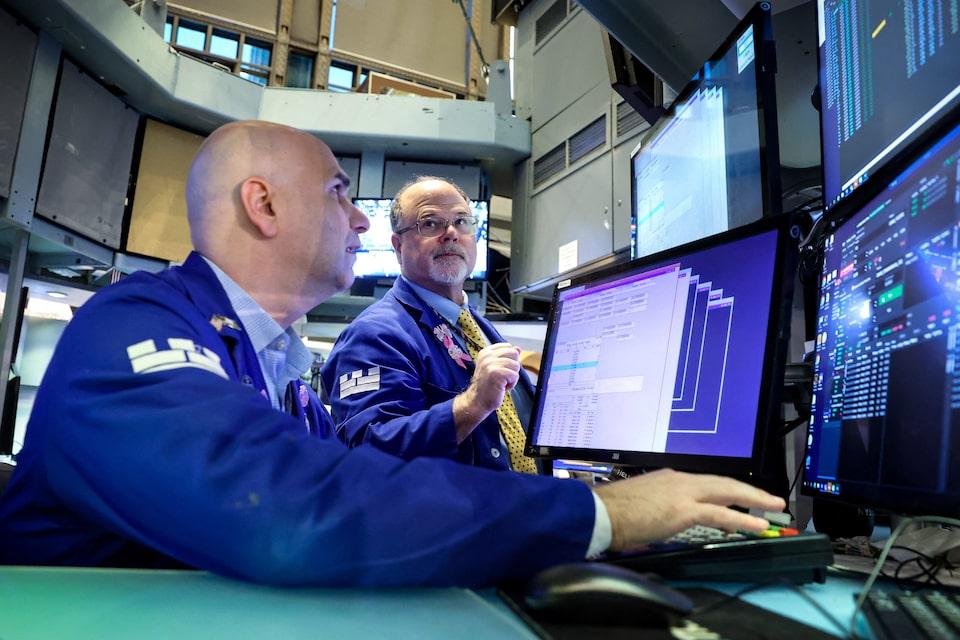
Economy grew 0.1% in Q3, below 0.2% forecast Interest rates at nearly 20-year high, central bank cautious Services sector rose 0.1%, industry 0.8%, agriculture 0.4% BRASILIA, Dec 4 (Reuters) - Brazil's economy slowed more than expected in the third quarter as weak services and household spending reinforced signs of cooling under high interest rates, boosting expectations of easing early next year. Latin America's largest economy grew 0.1% in July-September from the previous quarter, statistics agency IBGE said on Thursday, just below the 0.2% rise forecast in a Reuters poll of economists. Sign up here. The reading marked a further loss of momentum after a revised 0.3% expansion in the second quarter, as well as a sharp slowdown from 1.5% growth in the first quarter. Signs of cooling activity are being closely watched by markets for clues on when the central bank might start cutting rates after holding them at restrictive levels for months. Arnaldo Lima, an economist at Polo Capital, said the data underscores the ongoing slowdown, confirming a soft landing amid muted services growth and modest household consumption. "This is another indicator that supports our expectation for a rate cut in January," he said. BORROWING COSTS AT 20-YEAR HIGH Policymakers, who have kept interest rates at their highest in nearly 20 years since July, have said they still see a resilient economy, with sticky services inflation and a tight labor market. They meet next week for this year's final policy decision, with expectations centered on another hold at 15% while investors look for hints of easing in January or March. Year-on-year, Brazil's gross domestic product (GDP) grew 1.8%, compared with the poll's 1.7% forecast. Capital Economics' senior emerging markets economist Liam Peach noted it represented a three-year low. "While there are still reasons for the central bank to remain cautious, an easing cycle now appears just around the corner," he said, also forecasting a January cut. POSITIVE FARM DATA IBGE said the services sector, the backbone of Brazil's economy, rose just 0.1% from the previous quarter. Industry grew 0.8%, still supported by extractive activities, while agriculture rose 0.4%. Although the boost from the soybean crop in the world's largest producer and exporter had faded, as the harvest is concentrated in the first half, IBGE noted that livestock contributed to farm sector performance. The agency also cited higher corn, orange, cotton and wheat output and yields. On the demand side, household consumption posted a 0.1% increase, its weakest outcome in a year. Government spending climbed 1.3%, while investment measured by gross fixed capital formation expanded 0.9% despite high borrowing costs. https://www.reuters.com/world/americas/brazils-gdp-slows-more-than-expected-services-falter-2025-12-04/
2025-12-04 12:56
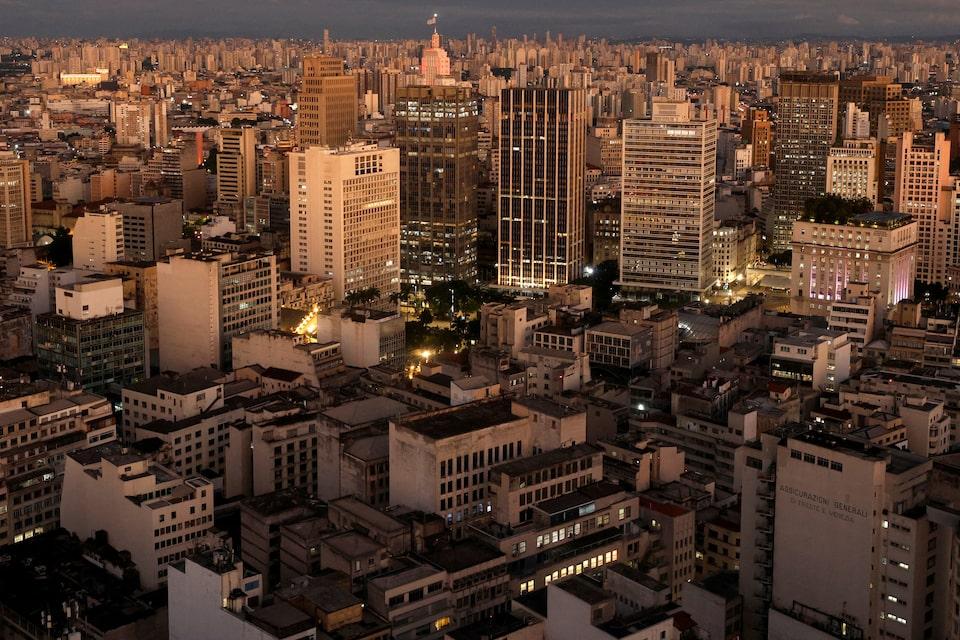
N3XT founded by ex-Signature Bank executives Shay and Wallis Company will operate under Wyoming special-purpose bank charter N3XT to target digital asset clients at outset Dec 4 (Reuters) - Former Signature Bank executives are launching a new blockchain-based bank focused on facilitating instant, around-the-clock U.S. dollar payments, nearly three years after the collapse of the New York-based bank known for serving cryptocurrency clients. The bank, called N3XT, was founded by Scott Shay, the founder and former chairman of Signature Bank. Jeffrey Wallis, who was previously director of digital asset and Web3 strategy at Signature, will be N3XT's CEO. Reuters is reporting the new venture for the first time. Sign up here. N3XT will operate globally under a Wyoming special-purpose bank charter and will not engage in any lending activities. Every dollar of deposits in N3XT will be backed by cash or short-term U.S. Treasuries, and it will publish its reserve holdings on a daily basis, which distinguishes it from Signature, Wallis said. Its reserves will be held at custodial partners, which he declined to name. The blockchain-based bank will not be insured by the Federal Deposit Insurance Corporation, and Wyoming special-purpose banks are not required to obtain FDIC insurance. "We do not lend against our balance sheet, so clients always have confidence that their capital is available to them and never at risk and always stands ready to be able to be used according to their economic needs," Wallis said. Signature was a commercial bank with $110 billion in assets and several business lines, including commercial real estate and digital asset banking. Regulators closed Signature in March 2023, days after the collapse of Silicon Valley Bank, making it the third-largest failure in U.S. banking history. It collapsed after mounting outflows that were triggered by depositors' rush to withdraw their money. Signature operated a payment network called Signet that allowed its commercial crypto clients to make payments 24 hours a day, seven days a week, which Wallis said was an "influential" experience in building N3XT. "N3XT, in of itself, takes advantage of not only the technology experience that we have and the model experience we have, but also thinking about really creating a bank structure that is new and unique and very different, whereby we make our clients' liquidity or their capital always available to them," Wallis said. A subsequent FDIC report said Signature's failure was caused by "poor management" and a pursuit of "rapid, unrestrained growth" with little regard for risk management. Wallis said N3XT's risk management standards are not comparable to those of Signature. "We are not making any lending decisions with the balance sheet," he said. "We ... are keeping our clients' assets in full liquid form." N3XT plans to target digital asset clients at the outset, many of which Wallis said have already started the onboarding process. https://www.reuters.com/sustainability/boards-policy-regulation/former-signature-bank-executives-launch-blockchain-based-bank-2025-12-04/
2025-12-04 12:52
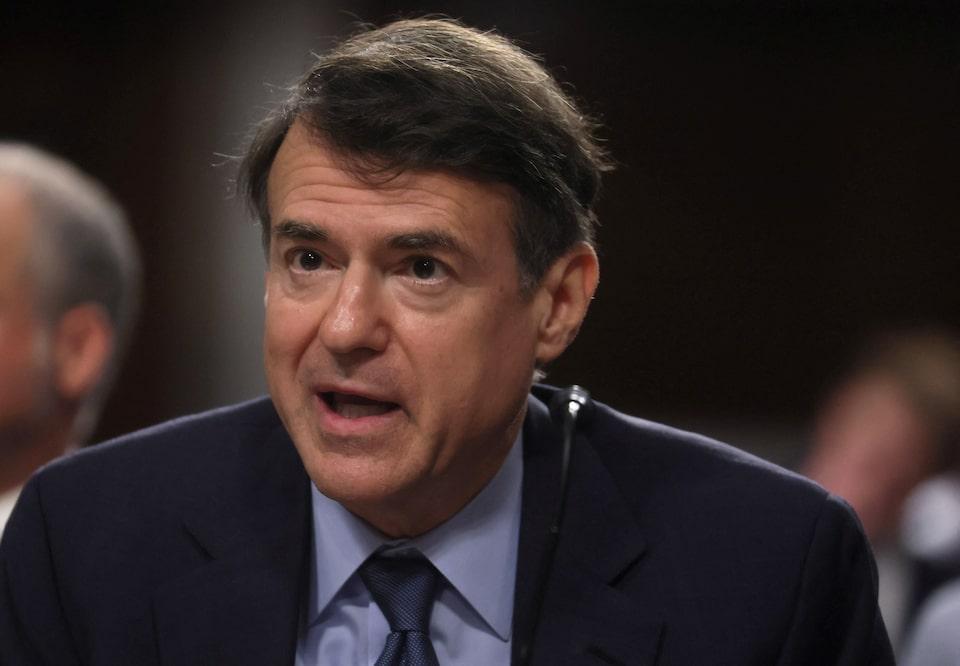
GENEVA, Dec 4 (Reuters) - The Middle East and North Africa recorded their hottest year on record in 2024, with temperatures rising at twice the global average of recent decades, the U.N. weather agency said in a report. Heatwaves in the region are becoming longer and more intense, according to the World Meteorological Organization’s first report focused on the area. Sign up here. "Temperatures are rising at twice the global average, with intense heatwaves that are pushing society to the limits," said WMO Secretary-General Celeste Saulo. The average temperature in 2024 was 1.08 degrees Celsius above the 1991-2020 average, the report found, with the highest in Algeria at 1.64 C above the average of the last 30 years. Saulo warned that extended periods of more than 50 C in a number of Arab countries were "too hot to handle" for human health, ecosystems and economies. Droughts in the region, home to 15 of the world's most water-scarce countries, have become more frequent and severe, with a trend of more and longer heatwaves recorded in North Africa since 1981, the report said. Consecutive failed rainy seasons caused drought in Morocco, Algeria and Tunisia, while intense rainfall sparked flash floods in Saudi Arabia, Bahrain and the United Arab Emirates, the report found. More than 300 people in the region died last year from extreme weather events, mainly heatwaves and floods, while nearly 3.8 million were affected in total, the WMO said. The report said investment was urgently needed in water security, such as desalination and reusing wastewater, as well as warning systems to reduce risks from extreme weather events. Currently, about 60% of the region has such systems in place. Average temperatures are expected to rise up to 5 C in the region by the end of the century under current emission levels, the report said, citing regional projections from the Intergovernmental Panel on Climate Change. https://www.reuters.com/sustainability/cop/middle-east-north-africa-temperatures-rising-twice-fast-global-average-says-un-2025-12-04/

2025-12-04 12:51
JAKARTA, Dec 4 (Reuters) - Indonesian authorities on Thursday named a director of a scrap metal company as a suspect in a probe into radioactive contamination at a big industrial zone, accusing the firm of violating environmental laws on storage and disposal. The caesium 137 contamination was first detected in a batch of shrimp shipped to the United States in August by a local company also based in the Modern Cikande Industrial Estate, about 68 km (42 miles) from the capital Jakarta, after which Indonesia began sweeping scans there. Sign up here. Indonesia's government has repeatedly said PT Peter Metal Technology (PT PMT), a factory owned by foreign investors that ceased operations in July, was the epicentre of the radioactive contamination. On Thursday, police said PT PMT's director Lin Jingzhang, a Chinese national, was a suspect in the spread of the contamination. Lin has not been charged and is assisting with the investigation, but is barred from leaving Indonesia, police said. "He was not detained because, as we have seen, he is cooperative," said Sardo Sibarani, an official with the National Police's Criminal Investigation Agency. Reuters was not able to reach Lin for comment and PT PMT did not immediately respond to messages sent to a cellphone number listed in the company registry of Indonesia's law ministry. Caesium-137 enters the environment as a result of past nuclear tests or accidents like Chernobyl and Fukushima, but it is also used in some industrial applications like oil well logging. Indonesia has no nuclear weapons or nuclear power plants. The task force investigating the contamination said that PT PMT's scrap metal was sourced domestically, while all stainless steel produced by PT PMT was exported to China. Investigators suspect hazardous and toxic waste found at a scrapyard on the estate came from PT PMT, which set up at the estate two years ago and operated a facility for non-ferrous base metal manufacturing and grinding. "The purchase of scrap materials mixed with used industrial equipment contained Caesium 137, which was processed legally or illegally without proper storage and supervision and disposal of materials in accordance with applicable regulations," said Bara Hasibuan, spokesperson for the task force. ($1 = 16,640.0000 rupiah) https://www.reuters.com/sustainability/boards-policy-regulation/indonesia-names-chinese-metal-firm-executive-suspect-radioactive-contamination-2025-12-04/

2025-12-04 12:42
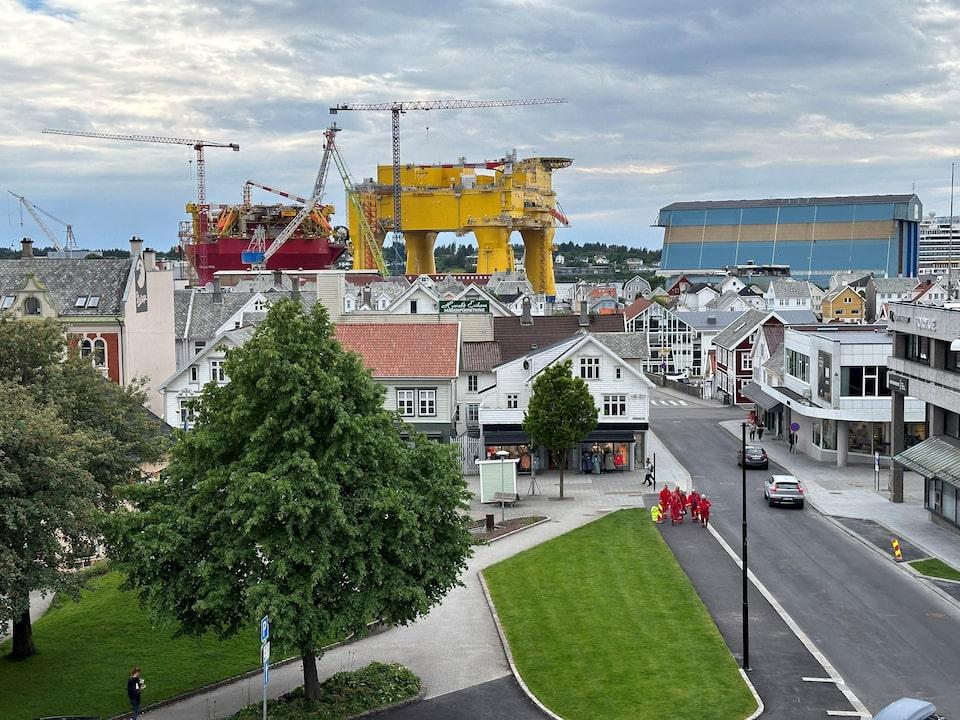
Fewer wells to be drilled as focus shifts to existing fields Oil, gas investments to fall 4% in 2026 amid rising costs Supplier industry under pressure OSLO, Dec 4 (Reuters) - Oil firms in Norway will drill 18% fewer exploration wells next year as the industry focuses on existing fields, a survey showed on Thursday, potentially undermining the government's goal of sustaining output from Europe's largest petroleum producer. The Norwegian government wants the industry to explore more in order to sustain its oil and gas output, but the survey by Offshore Norway of its members showed drilling and investments will fall next year. Sign up here. Oil companies operating on the Norwegian continental shelf, including Equinor (EQNR.OL) , opens new tab, Aker BP (AKRBP.OL) , opens new tab and Vaar Energi (VAR.OL) , opens new tab, plan to drill some 37 exploration wells in 2026, down from 45 drilled so far this year, the survey showed. "This is due to a combination of the fact that some companies will prioritise production drilling next year, but also somewhat fewer good prospects," Offshore Norway said. The government is preparing to launch a new exploration licensing round next year in frontier, less explored areas, such as in the Barents Sea. Overall, oil and gas investments in Norway are projected to fall by 4% to 270 billion crowns ($26.83 billion) in 2026 compared with this year as large, ongoing development projects are nearing completion. The predicted investment decline is smaller than the 8% drop forecast previously, but this is largely due to rising costs, expansion of some ongoing projects and an increased focus on extraction from existing fields, Offshore Norway said. Statistics Norway (SSB) has also estimated that petroleum investments will fall next year. The decline will hit the country's extensive supplier industry, which is already coming under pressure, with companies involved in construction of oil platforms and completion of major developments most exposed, Offshore Norway said. Suppliers providing subsea services, maintenance, and drilling rig providers are expected to be less affected despite the overall slowdown, it added. ($1 = 10.0646 Norwegian crowns) https://www.reuters.com/business/energy/oil-companies-norway-drill-18-fewer-exploration-wells-2026-survey-shows-2025-12-04/
2025-12-04 12:32
LONDON, Dec 4 (Reuters) - By Marc Jones, global markets correspondent What matters in US and global markets today Sign up here. It appears the U.S. economy is experiencing some pain and the dollar (.DXY) , opens new tab, is among the assets that have fallen most as it heads for its 10th straight day of declines and its biggest annual drop since 2007.Talk of who could be the next Federal Reserve chair may be playing a part, but given current Chair Jerome Powell is expected to cut rates again next week, economic data is too. We have exciting news! We've just launched the Morning Bid daily podcast, which will be available in audio and video. Subscribe to hear and see ROI editor-at-large Mike Dolan and other Reuters journalists discuss the biggest news in markets and finance seven days a week. For more from Mike Dolan, check out his column today on the year's biggest market debate? Is artificial intelligence yet another tech bubble? Today's Market Minute Odd jobs and bonds Wall Street looks set for an uneventful restart, but traders will get two more jobs market indicators shortly - U.S. weekly initial jobless claims and the Challenger job cuts report, plus earnings from Kroger (KR.N) , opens new tab, Dollar General (DG.N) , opens new tab and Hewlett Packard Enterprise (HPE.N) , opens new tab. They come hot on the heels of Wednesday's negative 32k ADP employment print for November. It was negative in September, August and June too, whereas there were no negative prints in the whole of 2024.Given non-farm payrolls won't be coming on Friday or even before next Wednesday's Fed decision (blame the shutdown again), the Challenger report could be particularly closely watched. Last month's version showed a big surge in layoffs, albeit negated in the end by low jobless claims right through that month.Stratospheric AI and tech firm valuations are likely to remain a focus too after Wednesday's tumble in Microsoft's shares (MSFT.O) , opens new tab on a report, later denied, that it had cut AI software sales quotas. Over in China, the central bank set its official yuan fixing at 7.0733 per dollar earlier, significantly weaker than estimated.In the bond market, U.S. Treasuries are trading in a tight 4% to 4.1% range.Meanwhile, Japan’s 30-year bonds rallied after an overnight auction attracted the highest demand since 2019 as investors lapped up higher interest rates. That bumper demand also followed a successful sale of 10-year debt earlier in the week. However, the rally at the long end seems to have been funded from elsewhere in the curve with the 10-year yield rising nearly 4 basis points.Meanwhile in Europe, the debate over using frozen Russian central bank reserves to fund Ukraine continues to throw up plot twists. EU leaders will make a final decision on their "reparations loan" plan by December 18. If no deal can be struck, Ursula von der Leyen has said the bloc will resort to joint debt issuance, as it did during the COVID-19 pandemic.There's also the Fed's favored PCE inflation data coming on Friday. Once that's out, the Fed, and investors, will have all the key data they are going to get before next week's meeting.Fed policymakers are in their traditional quiet period ahead of the meeting, so no more public guidance is expected before then although the Fed’s Bowman will speak on regulatory issues later, which might be worth listening out for too. Chart of the day The dollar's struggles mean it is currently heading for its biggest calendar year drop since Great Financial Crisis began to tear through world markets and prompted cuts in U.S. interest rates in 2007. That has all kinds of implications, most bluntly geopolitics, U.S. inflation and the spending power of citizens and firms abroad, as well as where investors put their money. Despite all the strife about tariffs this year, Europe, Latin America and emerging markets more generally have all benefited. Investors have poured in money into assets like local currency emerging market sovereign bonds at a rapid rate meaning those from Brazil, South Africa and Mexico have provided stellar returns of between 34% and 40% . Today's events to watch * U.S. November Challenger Job Cuts report* U.S. weekly initial jobless claims* U.S. Weekly Natural Gas Storage* Earnings: Kroger, Dollar General and HPE Opinions expressed are those of the author. They do not reflect the views of Reuters News, which, under the Trust Principles , opens new tab, is committed to integrity, independence, and freedom from bias. [email protected] , opens new tab; +44 (0)20 7513 4042; Reuters Messaging: X/Twitter @marcjonesrtrsWant to receive the Morning Bid in your inbox every weekday morning? Sign up for the newsletter here. https://www.reuters.com/business/finance/global-markets-view-usa-2025-12-04/