2025-09-05 11:49
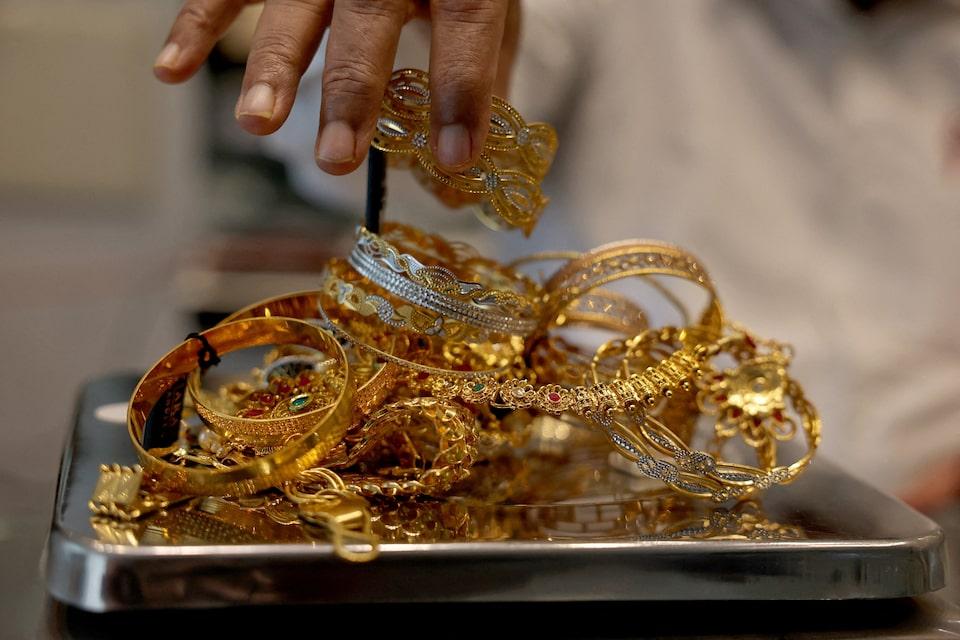
Gold up 3% this week after hitting a record high on Wednesday US non-farm payrolls data due at 1230 GMT Trump says India, Russia appear "lost" to "deepest, darkest China" Silver heads for third straight week of gains Sept 5 (Reuters) - Gold prices were heading for their strongest weekly gain in three months on Friday, having vaulted to a record high above $3,500 per ounce, with traders now on alert for a key U.S. jobs report that could strengthen expectations for a bullion-supportive Federal Reserve interest rate cut. The U.S. non-farm payrolls report is due at 1230 GMT. With traders largely pricing in a September Fed rate cut, the data could cement those expectations further. Sign up here. Spot gold rose 0.3% to $3,554.80 per ounce as of 11:13 GMT. Prices are up 3% so far this week, having hit a record $3,578.50 on Wednesday, steered by a potent mix of rate cut bets and safe-haven demand driven by global geopolitical and economic uncertainty. U.S. gold futures for December delivery gained 0.1% at $3,610.30. "The strength in gold can last with new highs possible this and next year, although maybe for the moment we've seen the highs and may consolidate now because some profit-taking would be expected at these levels," Philip Newman, managing director at consultancy Metals Focus, told Reuters. Analysts have also flagged the independence of the Fed as a key factor in shaping gold’s trajectory - an issue thrust into the spotlight after U.S. President Donald Trump attempted to fire Fed Governor Lisa Cook and put repeated pressure on the central bank to slash rates. "Geopolitics are a bit quieter now, but markets are very mindful of Trump and weaponisation of import tariffs, waiting to see if he is going to react on improved relations between China and India," Newman added. Meanwhile, Trump said India and Russia appear to have been "lost" to China, following the Shanghai Cooperation Organisation meeting in Beijing this week where their leaders stood alongside Chinese President Xi Jinping. Bullion, which doesn’t pay interest, tends to shine when rates are low and uncertainty is high, making it a go-to asset for investors seeking safety. Among other metals, spot silver rose 0.2% to $40.77 per ounce and was heading for its third straight weekly gain. Platinum firmed 0.9% to $1,380.22, while palladium was down 0.7% at $1,119.69. https://www.reuters.com/world/india/gold-heads-strongest-week-three-months-focus-key-us-jobs-report-2025-09-05/
2025-09-05 11:46
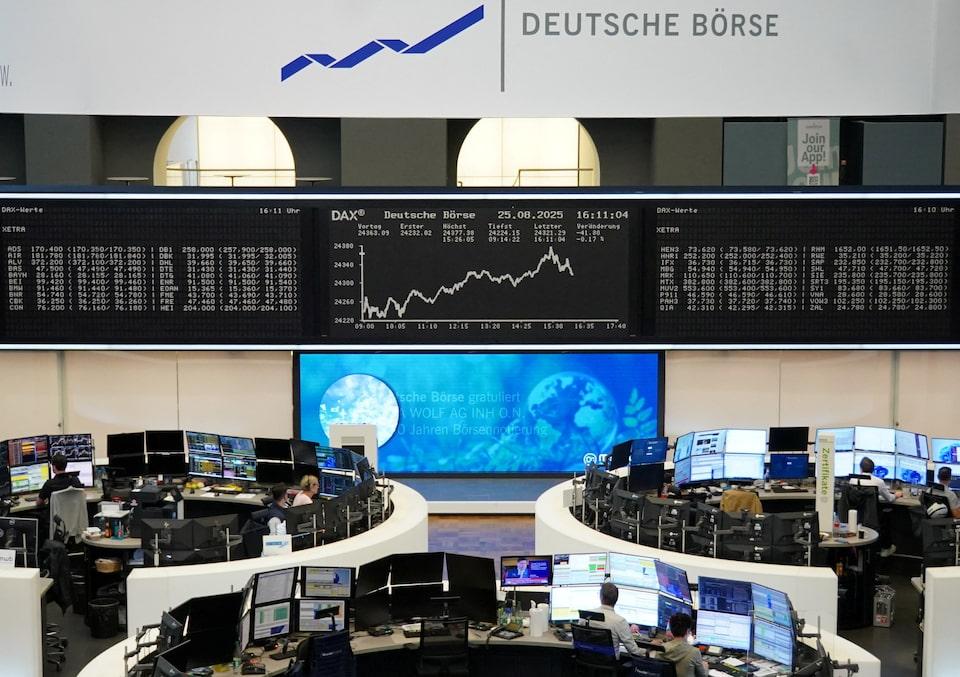
European stocks rise, after S&P record high Traders wait for U.S. jobs data, focus on rate cut expectations Oil prices in third day of declines PARIS, Sept 5 (Reuters) - European equities rose on Friday while long-dated bond yields eased, as expectations for U.S. rate cuts helped markets overcome concerns about fiscal deficits in various countries. The S&P 500 hit a new all-time high on Thursday after weekly jobs data showed more jobless claims than expected. Asian stocks tracked Wall Street higher overnight. Sign up here. The MSCI World Equity Index was up 0.3% on the day (.MIWD00000PUS) , opens new tab at 1127 GMT while Europe's STOXX 600 was up 0.3% (.STOXX) , opens new tab, set to end the week slightly higher overall after recovering from a dip earlier in the week. The FTSE 100 was up 0.3% (.FTSE) , opens new tab and France's CAC 40 was up 0.1% (.FCHI) , opens new tab. Wall Street looked set to continue the gains with S&P 500 futures up 0.2% and Nasdaq futures 0.5% higher on the day. Markets are all but certain of a quarter-point cut at the conclusion of the Fed's two-day rate-setting meeting on September 17, according to LSEG data. Traders will be looking to the monthly U.S. jobs report due later in the session to confirm their expectations. A weaker labour market boosts stocks because it raises expectations that the Federal Reserve will cut rates. "We have already seen yesterday the sign that perhaps there will be a weakening in jobs, paving the way for a done deal in September," said Francesco Sandrini, head of multi-asset strategies at Amundi. Today's numbers "can confirm to some extent an easing stance of the Federal Reserve," Sandrini added. Fed Chair Jerome Powell had already reinforced rate cut speculation with an unexpectedly dovish speech at last month's Fed symposium in Jackson Hole. "Unless it's an absolutely stellar payrolls print, it's hard to see too much that's going to change the market away from locking in a September cut," said Ken Crompton, head of rates strategy at National Australia Bank. "Beyond that, the terminal rate and how you get there, that's arguably still up for grabs." Market sentiment has recovered in recent days after global stocks fell earlier this week and long-date bond yields in Europe hit their highest in years, as investors became concerned about the state of various countries' finances, particularly Britain and France. Yields eased on Friday, with France's 30-year yield at 4.3873%, down from a peak of 4.523% on Wednesday , and the UK's 30-year yield at 5.553%, after borrowing costs hit their highest level since 1998 earlier in the week. The benchmark 10-year German yield was at 2.7051% . German industrial orders unexpectedly fell in July, data on Friday showed. Yields on 30-year Treasuries were at 4.8533%, having touched their lowest in three weeks during Asian trading. The U.S. dollar eased, with the dollar index down 0.2% at 98.023 , while the euro was up 0.3% at $1.1683 . After months of negotiations, the U.S. signed a deal to impose lower auto tariffs on Japan. The dollar was down 0.2% against the yen, with the pair at 148.21 . Oil prices were in their third day of declines. Brent crude futures fell 0.6% to $66.56 a barrel, while U.S. West Texas Intermediate crude eased 0.8% to $63.00. The European Union's energy commissioner said the EU would welcome U.S. President Donald Trump's plan to stop buying Russian oil. Gold was steady at $3,546.24, having hit a record peak of $3,578.50 on Wednesday. https://www.reuters.com/world/china/global-markets-wrapup-4-2025-09-05/
2025-09-05 11:30
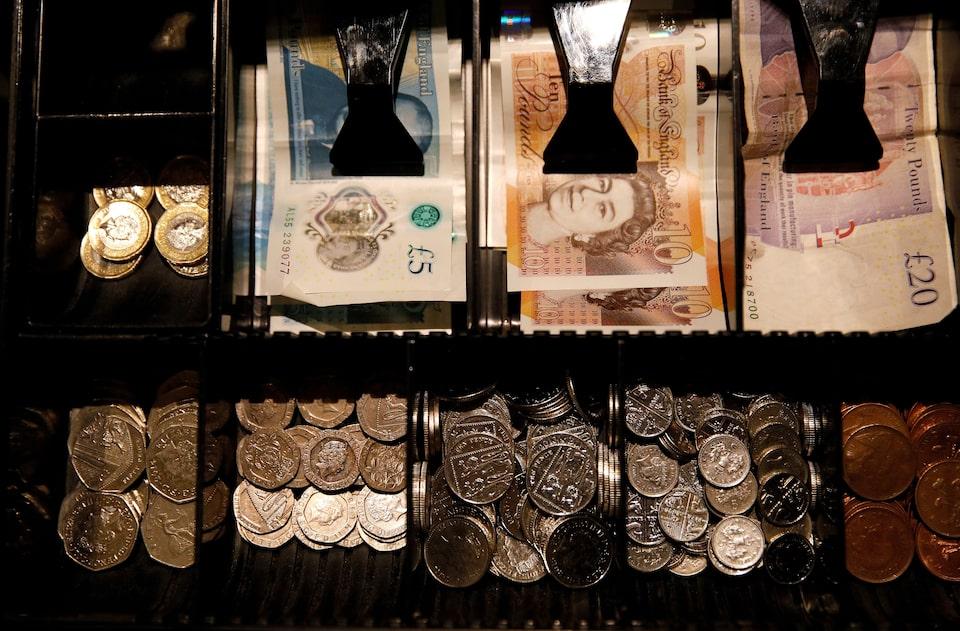
LONDON, Sept 5 (Reuters) - The pound rose versus a broadly weaker dollar on Friday, but headed for its third weekly decline in a row after a week marked by gilt market turbulence amid growing investor jitters over Britain's finances. At 1040 GMT on Friday, sterling was 0.3% higher at $1.3481, but on track for a weekly decline of 0.2%. The pound was flat against the euro , which held at 86.73 pence. Sign up here. The dollar was weaker across the board as traders await key U.S. payrolls data due later which are expected to firm up the case for an interest rate cut by the Federal Reserve. Sterling has been in focus this week, after British government bonds, known as gilts, sunk amid a broader bond market sell-off as focus shifted to rising debt levels in major economies. Yields on 30-year British government bonds , or gilts, briefly shot up this week to their highest since 1998. This week the date for the next UK budget was set for November 26, with finance minister Rachel Reeves under pressure to keep the government's finances on track. In a note, Ruth Gregory, deputy chief UK economist at Capital Economics said many of the conditions which have led to fiscal crises in the past are now in place in the UK, but that this does not mean a fiscal crisis in the UK is imminent or inevitable. "The missing ingredient is a trigger. If a UK fiscal crisis does erupt, it’s as likely to come from a change in perceptions or personnel as economic data or policy," she wrote. "This underlines the need for the government to continue to commit to fiscal discipline to keep the bond market onside." Official figures on Friday showed British retail sales volumes rose by a higher-than-expected 0.6% in July, leaving them up 1.1% on the year. Economists polled by Reuters had forecast a 0.2% monthly rise in sales volumes and a 1.3% increase compared with a year earlier. Francesco Pesole said while the figure was higher than expected, the previous month was also revised down, limiting any market impact, and it is also not what the market is focused on. "It's very focused on inflation to gauge whether the Bank of England (BoE) views that inflation is actually a bit hot to keep cutting rates at the same pace," said Pesole. Money markets are placing a 98% chance of a 25 basis point cut at the BoE's next meeting in September . https://www.reuters.com/world/uk/sterling-ticks-higher-heads-weekly-loss-after-gilt-turbulence-2025-09-05/
2025-09-05 11:18
Deported Afghans among thousands left homeless after quakes Survivors struggle as aid is slowed by landslides, lack of funds Returnees face double crisis of lost homes and looming winter MASUD, Afghanistan, Sept 5 (Reuters) - Deported from Pakistan in June, Nazar Shah was struggling to rebuild his life in Afghanistan when it was hit by a midnight earthquake. Six of his relatives were killed, his elderly stepmother was injured and his stone-and-mud home destroyed. Four days on, the 40-year-old Shah and around 20 members of his family sleep under a tarpaulin erected by a river, in the path of possible floods, and experience daily aftershocks. Sign up here. "We have lost our shelter," Shah, a farmer from Masud village in Afghanistan's eastern province of Kunar that borders Pakistan, lamented as pots, bedding and a few bags of wheat lay stacked on wooden beds outside. The poor, war-shattered country ruled by the Taliban has been hit by two earthquakes since midnight Sunday that have together killed more than 2,200 people, injured over 3,600, displaced many more and levelled thousands of houses. A scarcity of resources, a decline in foreign aid since the 2021 Taliban takeover and a slow, meagre helping hand from the rest of the world have made rescue and relief a challenge. The blow is particularly harsh for Afghans such as Shah, who is among hundreds of thousands deported from Pakistan and Iran this year. Pakistan has expelled tens of thousands of Afghans - who had moved to the neighbouring country since the 1980s to escape the cycles of war and deprivation back home - under its Illegal Foreigners Repatriation Plan launched in 2023. Shah said he spent two years in Pakistan with his brothers, digging ditches and working security guard shifts to cover rent and bills. But deportation forced him to return to Masud, where his extended family was crowded into three small rooms. "Life there was not too bad," Shah said when Reuters spoke to him on Thursday. "Even if we had to eat less and buy food on credit, at least we managed." When the quake first struck, he rushed out with his children and livestock but forgot his elderly mother in the chaos. "When I realised, she had already made it some distance, but then a rock fell from the mountain and struck her leg," he said. "It was pitch dark. You couldn't see your own hands." DOUBLE CRISIS Getting relief to victims such as Shah and his family has been slow, aid groups say, with mountain roads blocked by landslides, and funds scarce. The crisis is compounded by the return of Afghans expelled from Iran and Pakistan, who are streaming back into border provinces such as Kunar with little to fall back on. Aid workers say the combination of deportations and disasters is stretching an already fragile relief effort to breaking point. When 30-year-old volunteer doctor Hazrat Gul finally reached Shah's family carrying bandages and medicines from his private pharmacy, his mother Rad Bibi was lying on a latticed rope cot with a wound untreated for four days. "These people are still suffering," said the doctor, who rushed from neighbouring Nangarhar province after burying six of his own relatives killed in the disaster. "If it rains heavily, God only knows what will happen. Tents cannot withstand storms." Driver Jamal Naser, 43, faced a similar fate. He was in the Pakistani capital Islamabad when the tremors hit, and hurried back to Masud leaving his family behind, only to find his house in ruins. Having already been served a deportation notice by Pakistani authorities and a deadline to return to Afghanistan looming, he said he is lost. "With winter approaching, my biggest concern is what I will do," he said. https://www.reuters.com/business/environment/quakes-deal-fresh-blow-poor-afghans-deported-pakistan-2025-09-05/

2025-09-05 11:09
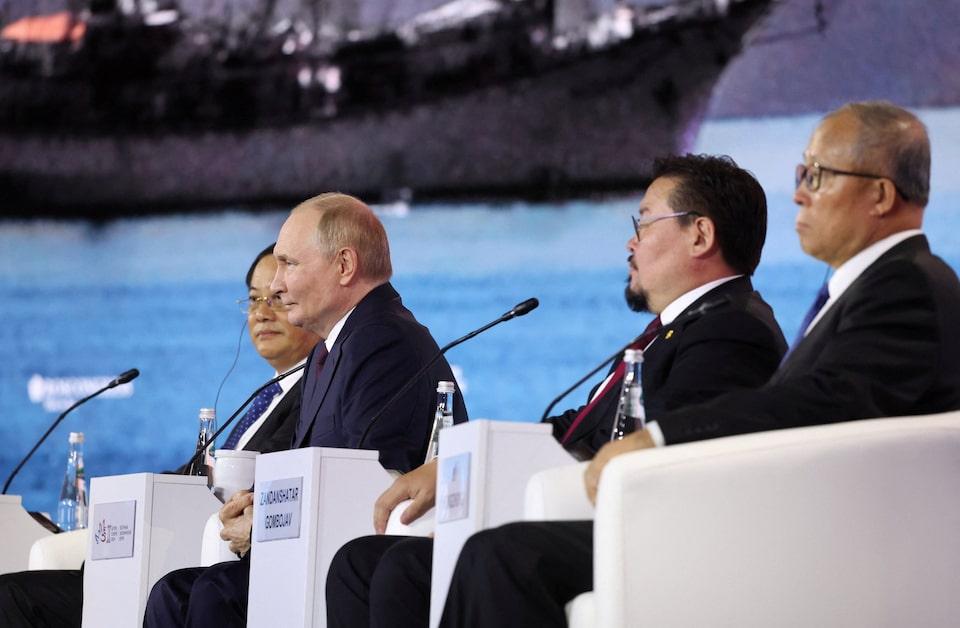
Putin says many dissatisfied with high interest rates Central bank's graph shows economy in recession Putin warns of high inflation's negative impact Putin says Russia can increase deficit, borrow more VLADIVOSTOK, Russia, Sept 5 (Reuters) - President Vladimir Putin denied on Friday that Russia's economy was stagnating, despite a report from the central bank that suggests it is technically in recession. In a speech to an economic forum in the Pacific port of Vladivostok, Putin defended the central bank's use of very high interest rates, currently at 18%, to tackle inflation - a stance fiercely criticised by business leaders and bankers. Sign up here. A graph published in a central bank report this week showed Russia's gross domestic product shrank for two consecutive quarters, a standard definition of what economists call a technical recession. Sberbank CEO German Gref, one of Russia's most powerful bankers, said on Thursday that the economy was in "technical stagnation", and the central bank needed to slash rates. Asked whether he agreed with Gref, Putin said: "No. He knows, we are in constant contact with him. He participates in many of our meetings, which are held, including those with me, with the government, and the central bank." Gref is a long-term associate of Putin and drafted the president's first economic strategy in the early 2000s. The central bank did not elaborate on its graph showing two quarters of shrinking GDP. The statistical agency estimated GDP contraction at 0.6% in the first quarter on a quarterly basis, but has not yet published data for Q2. There is no precise definition for the "technical stagnation" referred to by Gref. Russian news agencies were briefed this week that the economy is projected to grow by 1.2% in 2025, a sharp slowdown from 4.3% in 2024. Growth downgrades and a rising budget deficit form part of a pattern of evidence of the mounting strain on Russia's economy from the 3-1/2 year war in Ukraine. INFLATION "The recession has happened," said economist Evgeny Kogan, commenting on the central bank's graph. He argued that state spending, which stimulated growth in recent years, could not continue without inflation due to capacity constraints. Gref said growth in July and August was close to zero. But Andrei Kostin, CEO of Russia's second largest bank VTB, said he did not see a major deterioration of the economy in the second quarter. "Life has shown that our economy is quite resilient," he told reporters in Vladivostok. Putin linked talk of a stagnating economy to dissatisfaction with high interest rates but said these were needed to tame inflation, adding that Russia's central bank was rated very highly in the international financial community. The central bank hiked the key rate to 21% last year, the highest level since the early 2000s, to bring inflation down. It cut the key rate to 20% in June and then to 18% in July. The bank makes its next rate decision on September 12. Annual consumer price inflation was 8.79% in July, down from 9.40% in June. The central bank expects inflation to slow to its target of 4% in 2026. "If inflation overwhelms the economy, nothing good will come of it because it becomes impossible to forecast anything even for 10 days, let alone for years ahead," Putin said, urging the authorities to ensure a soft landing. Putin ruled out new tax hikes to balance the budget but said Russia had room to increase its budget deficit because its debt burden remains low. Russia has a debt-to-GDP level of around 19%, one of the lowest in the world. But with the budget deficit set to exceed the planned 1.7% of GDP in 2025, the debt is set to increase. (This story has been corrected to fix the time reference in Gref's statement to July and August, not June and July, in paragraph 11) https://www.reuters.com/business/finance/russias-putin-denies-economy-is-stagnating-evidence-suggests-otherwise-2025-09-05/
2025-09-05 10:50
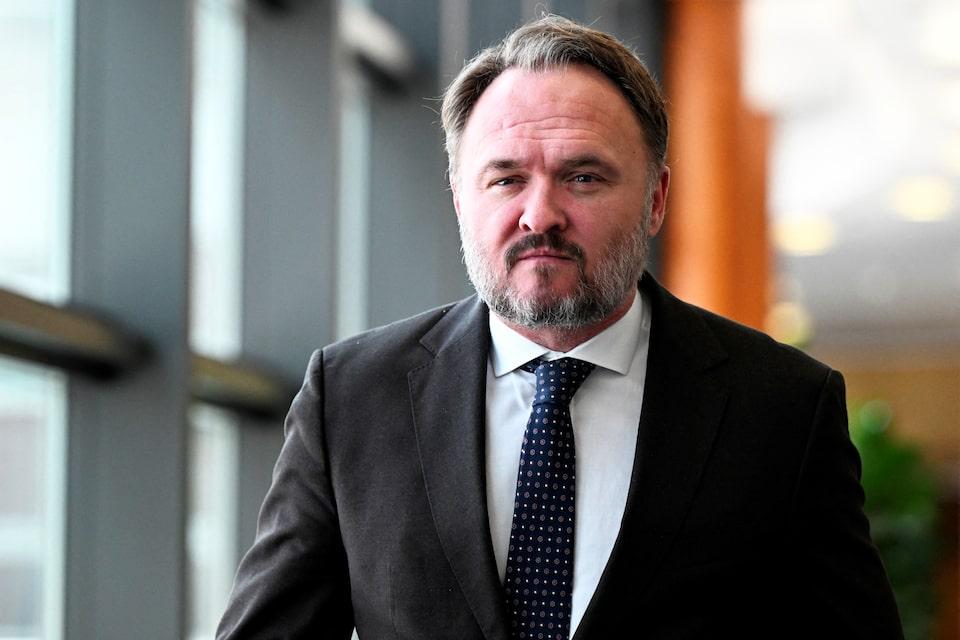
EU seeks to phase out Russian energy imports by 2028 Has pledged to buy more US energy as part of trade deal Hungary and Slovakia oppose ending Russian imports COPENHAGEN, Sept 5 (Reuters) - The European Union would welcome U.S. President Donald Trump's support for its plans to stop buying Russian oil, purchases of which are helping to finance Moscow's war in Ukraine, EU Energy Commissioner Dan Jorgensen told Reuters on Friday. The European Union is negotiating legal proposals to phase out EU imports of Russian oil and gas by January 1, 2028, as it seeks to sever decades-old energy ties with Moscow. Sign up here. U.S. President Donald Trump told European leaders in a call on Thursday that Europe must stop buying Russian oil, a White House official said, as diplomatic efforts to end the fighting drag on. Jorgensen, who is responsible for the EU's energy policies, told Reuters he had not come under pressure from the U.S. administration to halt Russian oil purchases faster than the 2028 deadline, but would welcome U.S. backing for the EU plan. "Not only has Putin weaponised energy against us, blackmailed member states, we are actually also indirectly helping finance Putin's war, and that needs to stop. And if President Trump agrees to that, then that is only a welcome support, because that is certainly our main objective," he said in an interview. Reuters has requested Kremlin comment on the Trump remarks quoted by the White House official. The United States has imposed punitive tariffs on India for its continued purchases of Russian oil, while India has accused the West of hypocrisy. HUNGARY AND SLOVAKIA OPPOSE PHASE-OUT Europe's purchases of Russian gas are expected to shrink to around 13% of its needs this year, from roughly 45% before Russia's full-scale invasion of Ukraine in 2022, according to EU figures. Hungary and Slovakia continue to import Russian crude oil through the Druzhba pipeline, and have opposed the EU's phase-out plan - saying it would hike energy prices. Jorgensen said he was in talks with both governments about their concerns - but that, if needed, EU countries could approve the phase-out plans without them. He declined to confirm if Brussels would offer funding or legal guarantees to attempt to win the two countries' support. "If, for domestic reasons, there are countries that don't feel that they can support it, then this is not something that demands unanimity," Jorgensen said. The EU proposals are designed to be passed by a reinforced majority of member countries. EU diplomats told Reuters they expect countries' energy ministers to approve them at a meeting next month. Jorgensen will hold talks with U.S. energy secretary Chris Wright in Brussels next week, on the EU's pledge to buy $250 billion of U.S. energy supplies per year, as part of the U.S.-EU trade deal. Analysts have said the energy purchase pledge is unrealistically high - in part, because the EU has little control over the energy its companies import. Jorgensen said they would discuss options for how the EU and U.S. administrations can ensure the deal is implemented. For example, the Commission has said it could pool demand from European companies to buy more U.S. gas. "It's clear that our role is to facilitate. The EU is not a gas trader," Jorgensen said. https://www.reuters.com/sustainability/climate-energy/eu-would-welcome-us-backing-quit-russian-oil-energy-chief-says-2025-09-05/