2025-09-05 07:07
Opposition ANO pledges to cap energy prices, take 100% control of energy provider CEZ ANO head Babis proposes lower taxes, rejects EU carbon allowances Critics say his plans could increase national debt Parliamentary election set for October 3-4 OSTRAVA, Czech Republic, Sept 4 (Reuters) - The main Czech opposition party ANO, headed by business tycoon and former prime minister Andrej Babis, pledged on Thursday to cap energy prices, lower the pension age and reduce taxes for individuals and companies as it launched a final push to win back power next month. ANO is leading the opinion polls ahead of October 3-4 parliamentary elections, with more than 30% support - about 10 percentage points ahead of the centre-right SPOLU (Together) coalition led by Prime Minister Petr Fiala. Sign up here. While the party looks likely to head the next cabinet, the divide between ANO and the current ruling coalition parties makes it likely Babis will need to seek support from pro-Russian and anti-European Union extremist groups to form a majority. The 71-year-old owner of chemicals, farming, food processing empire Agrofert started ANO as a pro-European, centrist movement in 2011, but has since turned it into an anti-Brussels, anti-immigration group amid a broad lurch to the right seen throughout Europe. He recently co-founded the Patriots for Europe group in the European Parliament with populist Hungarian leader Viktor Orban and a group of European far-right parties, and in July told Reuters he would scrap a Prague-led initiative to supply Ukraine with large-calibre ammunition if he returns to power. "We will jump-start the economy, lower taxes for individuals and companies, cancel public television and radio fees, freeze politicians' salaries," Babis told a campaign event in the city of Ostrava. He said he would reject moves to impose the EU's carbon emission allowances on households due to take effect in 2027 to avoid price rises, setting up one potential battle with the EU. "We will enforce cheap energy for all. We will absolutely not allow new green taxes for households and transport," Babis said. To gain greater control over electricity price-setting, the party reiterated that it would raise the state's stake in the country's top energy provider CEZ to 100% from the current 70%. ANO said it would cap the retirement age at 65, reversing a pension reform gradually raising the age to 67 to limit sharp increases in pension costs as part of the budget. The party also plans to cut corporate tax to 19% from 21%, increase tax write-offs for individuals and lower value-added tax for restaurants. Babis said the funding for these measures would come through improved tax collection and higher economic growth. The party's fiscal expert Alena Schilerova said that ANO was not pledging balanced budgets now but that they would be the result of a successful economic policy. The main ruling party said Babis' pledges would send the country into a debt spiral. The current centre-right coalition has narrowed the public budget gap to 1.9% this year from 5% in 2021, when it took over from Babis amid the coronavirus pandemic. ($1 = 20.9570 Czech crowns) https://www.reuters.com/sustainability/climate-energy/czech-former-pm-babis-pledges-cheap-energy-lower-pension-age-bid-win-back-power-2025-09-05/

2025-09-05 06:48
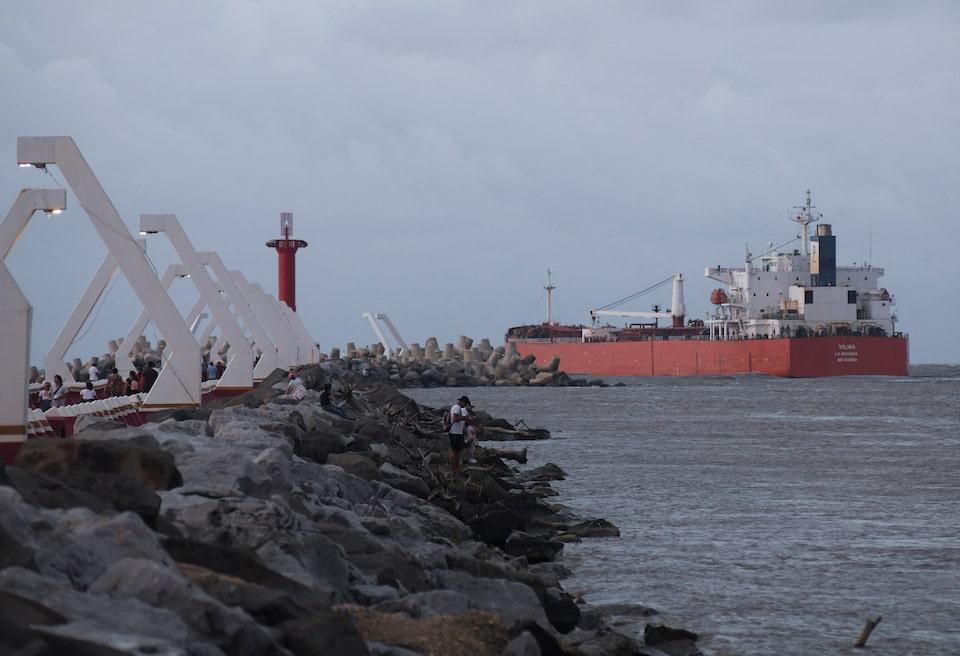
Brent, WTI down for a third consecutive session On weekly basis, both down more than 1% OPEC+ to consider further output hike on Sunday SINGAPORE, Sept 5 (Reuters) - Oil prices extended their decline into a third session on Friday, heading for a weekly loss for the first time in three weeks as supply expectations grow and a surprise build in U.S. crude stocks adds to demand concerns. Brent crude futures fell 19 cents, or 0.28%, to $66.80 a barrel by 0642 GMT, while U.S. West Texas Intermediate crude fell 23 cents, or 0.36%, to $63.25. Sign up here. Brent was down 1.92% and WTI down 1.19% so far this week. Crude oil remained under pressure amid concerns of rising OPEC+ supply, ANZ research analysts wrote in a note on Friday. Market expectations are growing that the group will push more barrels into the market to regain market share lost to U.S. shale producers in recent years, the analysts said. Reuters reported on Wednesday that eight members of the Organization of the Petroleum Exporting Countries and allies like Russia - known together as OPEC+ - will consider raising production further in October at a meeting on Sunday, citing two sources familiar with the discussions. Another boost would mean that OPEC+, which pumps about half of the world's oil, would be starting to unwind a second layer of output cuts of about 1.65 million barrels per day, or 1.6% of world demand, more than a year ahead of schedule. Meanwhile, U.S. crude oil inventories rose 2.4 million barrels last week as refineries headed into maintenance season, data from the Energy Information Administration showed on Thursday, compared with expectations in a Reuters poll for a 2 million-barrel draw. Strength in the downstream sector has been a key support for prices over recent months, BMI analysts said in a report, but refining margins will likely be squeezed in coming months as global demand growth wanes and refiners ramp up maintenance. This, in turn, will lower throughput, reducing the call on crude, the BMI analysts said. Supply risks, though, continue to cloud the market. U.S. President Donald Trump told European leaders on Thursday that Europe must stop buying Russian oil, a White House official said. Any cuts to Russia's crude exports or other disruption to supplies could push global oil prices higher. https://www.reuters.com/world/middle-east/oil-heads-first-weekly-loss-three-supply-glut-looms-2025-09-05/
2025-09-05 06:45
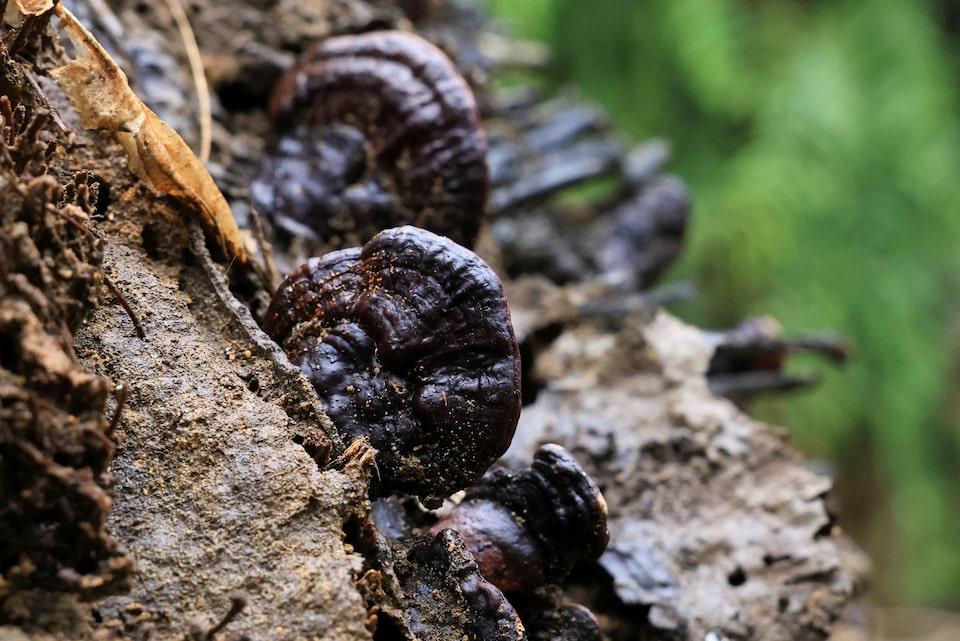
Ganoderma spreads in Malaysia, affecting newly replanted areas Fungal infection could reduce palm oil yields significantly Palm board says 13.7% of surveyed Malaysian palm areas infected KUALA LUMPUR, Sept 5 (Reuters) - A fungal disease once confined to older palm trees in coastal areas is spreading across Malaysian palm plantations and appearing much earlier in growth cycles, threatening yields in newly replanted areas, agricultural industry experts say. The rise of the fungus in second-largest palm oil exporter Malaysia, as well as in top producer Indonesia, is another headache for an industry struggling with stagnating output of the world's most popular vegetable oil as plantations age. Sign up here. Ganoderma, the fungus, is emerging in second-generation plantings, whereas previously it was only evident after three planting cycles, said Julian McGill, managing director of oil crop advisory firm Glenauk Economics. The disease occurs more frequently when successive palm generations are replanted on the same land. “The enforcement of zero-burning policies in the field has also increased its spread, and examples of Ganoderma in newer plantings, inland soils and younger trees appear to be becoming more frequent,” McGill said. Ganoderma spreads slowly but detection is difficult. “By the time you see the symptoms in the field the disease is already well established, and the infection may have spread,” McGill said. Previously, plantations would burn old trees to make way for new plantings and that would stop the spread of an existing infection, but burning has been banned because of its contribution to Southeast Asia haze events. Chong Khim Phin, a professor of plant pathology at the University Malaysia Sabah, said some studies estimate that a 1% increase in Ganoderma infection could reduce plantation yield by 0.5% to 0.8%, depending on factors including tree age and infection density. “Over a 25-year crop cycle, this could mean a cumulative loss of 15%–20% in fresh fruit bunches (FFB) productivity in heavily affected areas,” he said. According to Malaysian Palm Oil Board data, of 1.46 million hectares of oil palm area surveyed last year, 199,644 hectares, or 13.7%, were infected with Ganoderma, with the states of Johor, Sabah, Sarawak, Perak and Negeri Sembilan most affected. Data on previous years was unavailable. Malaysia's total oil palm planted area is 5.61 million hectares. Ganoderma will potentially cut into yields and palm oil output and further tighten global supplies, which have already been impacted by replanting delays and Indonesia's biodiesel mandate, driving palm prices to a premium to soybean oil last year, reversing years of discounts. 'DEATH SENTENCE' M.R. Chandran, chairman of agritech firm IRGA, described Ganoderma as the second-greatest concern for oil palm planters after labour shortages, given its impact on yields. A roughly 14% Ganoderma infection rate in a plantation can lead to a FFB yield loss of 20% to 60% per hectare, depending on other conditions, the industry veteran said. In Peninsular Malaysia, young palms in replanted areas have high infection rates because old diseased material was not properly removed, he said. Smallholders that lack resources to prevent Ganoderma's spread are especially vulnerable. Mohd Sharul Haizam Shafei, a planter in Selangor state, said about two acres of his family's 50-acre plantation have been affected, although only one tree has been felled because it reached a critical stage. Kuala Lumpur Kepong Berhad (KLKK.KL) , opens new tab, which has a planted area of 287,354 hectares in Malaysia and Indonesia, said in its annual report that it was battling the disease across its plantations but did not specify the extent or impact. Malaysian planter FGV Holdings (FAGVF.PK) , opens new tab told Reuters around 1% of its planted area was infected as of 2024, but that the impact on FFB production this year would be below 0.1% due to continuous intervention. Carl Bek-Nielsen, chairman of the Malaysian Palm Oil Council, said, however, that Ganoderma is "like a death sentence" because there is no cure or treatment once a tree is infected. “Yields will immediately start a progressive decline after infection so yields will be considerably lower in infected fields,” Bek-Nielsen said. https://www.reuters.com/business/environment/palm-oil-yields-risk-ganoderma-appears-earlier-planting-cycles-2025-09-05/
2025-09-05 06:44
Sept 5 (Reuters) - West Africa-focused Tullow Oil (TLW.L) , opens new tab named oil and gas industry veteran Ian Perks as its new CEO on Friday, succeeding Richard Miller, who will return to his previous role as the group's chief financial officer. The change comes as the company, which has been streamlining its operations, recently agreed to sell its assets in Gabon and Kenya to reduce debt. Sign up here. Perks brings more than three decades of experience in the oil and gas sector, with a strong focus on Africa and international markets, having held senior positions at BG Group, Anadarko, and Total. He has overseen major projects such as the $20 billion Mozambique LNG project and the delivery and subsequent operations of the $10 billion Queensland Gas Company LNG project, Tullow said in a statement. In August, Tullow swung to an interim loss and cut its annual production forecast, citing continued underperformance at its flagship Jubilee oilfiled. Miller was appointed as Tullow's interim chief in February after Rahul Dhir announced his exit as CEO last December. https://www.reuters.com/sustainability/boards-policy-regulation/tullow-oil-names-industry-veteran-ian-perks-new-chief-2025-09-05/

2025-09-05 06:29
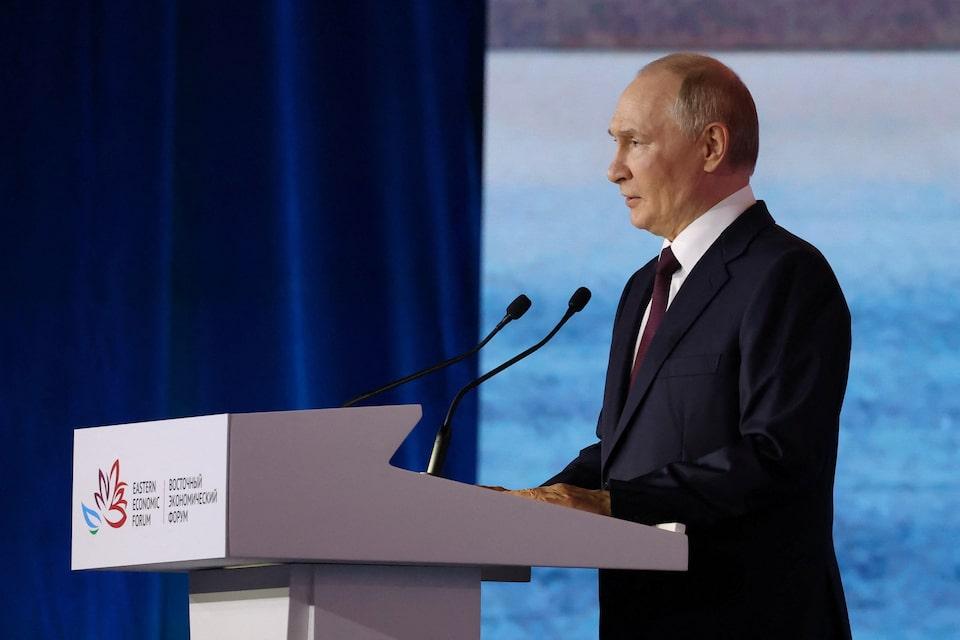
VLADIVOSTOK, Russia, Sept 5 (Reuters) - Russian President Vladimir Putin said on Friday that the planned Power of Siberia 2 gas pipeline to China was a "mutually beneficial project" and the price of the gas would be based on a market formula similar to the one used for supplies to Europe. Russia proposed the route years ago, but the plan has gained urgency as it looks to Beijing as a customer to replace Europe, which is seeking to wean itself off Russian energy supplies over Moscow's 2022 invasion of Ukraine. Sign up here. Russia and China signed a binding memorandum to build the pipeline during Putin's visit to China this week, but Russian energy company Gazprom (GAZP.MM) , opens new tab, which aims to start delivering gas via the pipeline by 2030, said pricing was yet to be agreed. "This is one of the largest energy projects in the world," said Putin, speaking at an economic forum in Vladivostok. He said the price would "be calculated using essentially the same formula as for deliveries to Europe ... It is absolutely market-based." Russia has lost most of its gas market in Europe since the start of the war in Ukraine. Mongolian Prime Minister Zandanshatar Gombojav, through whose country the new pipeline will pass, told the same event that Ulaanbaatar was ready to proceed but there were details to be worked out. Mongolia may buy some of the Russian gas, he said. https://www.reuters.com/sustainability/boards-policy-regulation/putin-says-planned-gas-pipeline-china-will-be-mutually-beneficial-use-market-2025-09-05/
2025-09-05 06:17
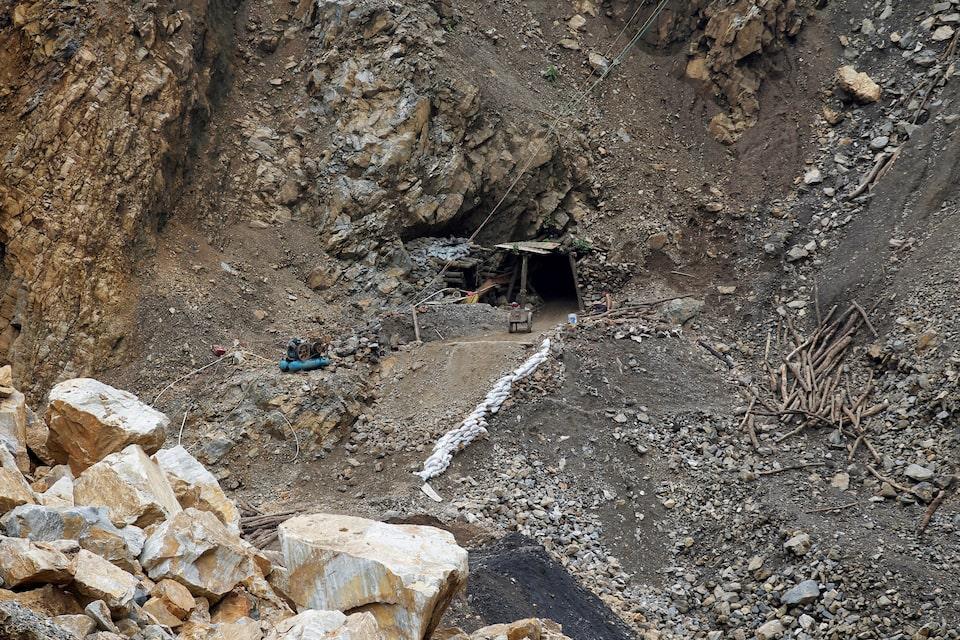
LONDON, Sept 5 (Reuters) - Tin continues to outperform the rest of the London Metal Exchange (LME) base metals pack as the market awaits the return of the Man Maw mine in Myanmar. It's been two years since the mine, one of the world's largest, was closed for a resource audit. It's been six months since the authorities in the semi-autonomous Wa State invited applications for new mining permits. Sign up here. Yet to date there is no evidence of any ramp-up in activity. Indeed, the flow of tin concentrates from Myanmar to neighbouring China has almost dried up completely. The lingering uncertainty over Man Maw has rekindled fund buying interest and lifted the LME three-month tin price from below $30,000 per metric ton in April to more than $35,000 at the end of August. Speculators are once again betting on the obscurest part of the tin supply picture. WAITING FOR MAN MAW The continued absence of Man Maw supply is manifest in China's reduced imports of tin concentrates from Myanmar. The flow of raw material to Chinese smelters dropped to just 933 tons in July, which suggests that not only has activity at Man Maw not resumed, but that the country's other smaller mines are experiencing some sort of disruption, possibly due to the earthquake which rocked the country in March. Year-to-date imports from Myanmar have fallen by 77% year-on-year to just 14,200 tons. By way of comparison, monthly imports averaged 15,000 tons in both 2022 and 2023, when Man Maw was still pumping out tin. The latest concrete news from the Wa State came in July, when the International Tin Association reported , opens new tab that the first new permits had been granted for mining to resume at Man Maw. The Association warned that it would take time for actual tin production to resume and export flows to recover. So it has proved. NO SCARCITY China's tin smelters have had some success in compensating for the loss of what was their main supply source until Man Maw was suspended in August 2023. The Democratic Republic of Congo has emerged as the largest single supplier of tin concentrates this year, while imports from both Australia and Nigeria have also risen sharply. But total concentrate imports of 73,000 tons through July are still down by 32% year-on-year. Chinese smelter margins have been squeezed and capacity utilisation was below 70% in many parts of the country last month, according to local data supplier Shanghai Metal Market. Many operators are carrying less than 30 days of concentrate stocks and taking maintenance downtime in the hope that raw materials availability will improve by the time they return. Yunnan Tin (000960.SZ) , opens new tab, the world's largest producer of refined tin, has just powered down , opens new tab its Gejiu smelter for 45 days for its annual overhaul. Yet to date the loss of Man Maw hasn't caused any tangible tightness in the refined metal segment of the supply chain. Global exchange inventory has been stable above the 11,000-ton level for the last three months, a far cry from the days of genuine scarcity in 2021 when stocks dwindled to just 1,000 tons. It helps that exports from Indonesia have recovered from last year's permitting disruption. Outbound shipments of 30,000 tonnes through July were up by 64% on the same period of 2024. It probably also helps that demand from the electronics sector, where tin is used to solder circuit-boards, has been impacted by the escalation in trade tensions between the United States and China. BULLS RETURN Tin bulls are undeterred. Funds have lifted their bets on higher prices to 4,515 LME contracts (22,575 tons), while short positions have been slashed to just 610 contracts. Net positioning is now as long as it's been since March, when the price spiked to a three-year high of $38,395 per ton on news the M23 insurgent group had briefly seized control of the Bisie tin mine in the Congo. Bisie swiftly returned to normal operations after the withdrawal of M23 as part of a U.S.-brokered peace deal between the Congo and Rwanda. Man Maw, however, remains conspicuous by its absence. Funds seem to be betting that a return to pre-closure production levels is not going to happen any time soon. Whether that's a correct assumption is unknowable, given the almost complete lack of information flow out of the Wa State. The answer will become apparent if and when the flow of raw materials over the border to China shows signs of returning to something close to historical norms. The opinions expressed here are those of the author, a columnist for Reuters. https://www.reuters.com/markets/commodities/tin-market-still-beholden-fortunes-myanmar-mine-2025-09-05/