2025-09-04 23:18
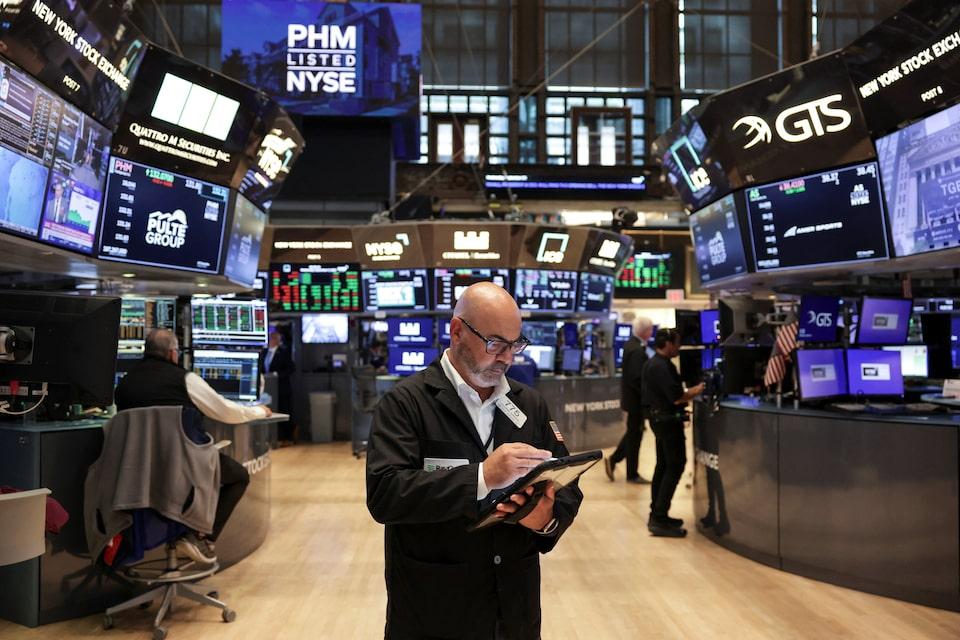
Salesforce drops after downbeat revenue forecast American Eagle Outfitters surges on strong sales forecast US jobs data for August due on Friday Indexes: Dow up 0.8%, S&P 500 up 0.8%, Nasdaq up 1% NEW YORK, Sept 4 (Reuters) - The S&P 500 posted a closing record high on Thursday as labor market data did not change expectations for an interest rate cut by the Federal Reserve, a day ahead of the key U.S. monthly jobs report. Also boosting the market were shares of Broadcom (AVGO.O) , opens new tab, Amazon (AMZN.O) , opens new tab and Meta Platforms (META.O) , opens new tab. Chip company Broadcom, considered a major artificial intelligence player, closed up 1.2% just before releasing its quarterly results. The stock edged higher in after-hours trading, when Broadcom forecast Sign up here. Amazon.com finished up 4.3%. Shares of other consumer discretionary companies also rose sharply, with the sector (.SPLRCD) , opens new tab gaining 2.3% on the day. JetBlue Airways (JBLU.O) , opens new tab said it will partner with Amazon subsidiary Project Kuiper, a low Earth orbit satellite broadband internet network, to improve its onboard Wi-Fi. Meta Platforms rose 1.6%. Earlier on Thursday, data showed that the number of Americans filing new applications for unemployment benefits increased more than expected last week, while hiring by private employers slowed in August, further evidence that labor market conditions were softening. But investors are especially keen to see the U.S. monthly jobs report due on Friday. "The labor market data we're going to get - payrolls - tomorrow I don't see really changing anything significantly because (Fed Chair Jerome) Powell has effectively already told us we're getting a cut unless it's really, really out of bounds," said Mike Dickson, head of research and quantitative strategies at Horizon Investments in Charlotte, North Carolina. The Dow Jones Industrial Average (.DJI) , opens new tab rose 350.06 points, or 0.77%, to 45,621.29, the S&P 500 (.SPX) , opens new tab gained 53.82 points, or 0.83%, to 6,502.08 and the Nasdaq Composite (.IXIC) , opens new tab gained 209.97 points, or 0.98%, to 21,707.69. Investors are pricing in a 95% probability of a 25 basis-point cut, CME's FedWatch Tool showed. The move was largely expected after July's bleak payrolls figures and Powell's dovish comments. Bucking the day's trend, Salesforce (CRM.N) , opens new tab shares fell 4.9% after the company forecast third-quarter revenue below Wall Street estimates on Wednesday, signaling lagging monetization for its AI agent platform. September is historically a weak month for stocks, with the S&P 500 losing 1.5% on average since 2000, according to LSEG data. While AI-linked companies have driven market gains in recent years, their momentum slowed last month. Last week, shares of AI leader Nvidia NVDA.O , opens new tab fell after Sino-U.S. trade uncertainties prompted the company to exclude potential China sales from its quarterly forecast. Among other gainers in the consumer space, American Eagle Outfitters (AEO.N) , opens new tab shares jumped 38% after the apparel company forecast third-quarter comparable sales above estimates on Wednesday. Advancing issues outnumbered decliners by a 2.79-to-1 ratio on the NYSE. There were 303 new highs and 61 new lows on the NYSE. On the Nasdaq, 2,741 stocks rose and 1,878 fell as advancing issues outnumbered decliners by a 1.46-to-1 ratio. Volume on U.S. exchanges was 14.68 billion shares, compared with the 16.07 billion average for the full session over the last 20 trading days. https://www.reuters.com/business/sp-500-registers-record-high-close-data-keeps-rate-cut-views-intact-2025-09-04/
2025-09-04 22:10
BRASILIA, Sept 4 (Reuters) - Brazilian state-run lender BRB (BSLI3.SA) , opens new tab is weighing a fresh proposal for assets of Banco Master, a person familiar with the matter said, after the central bank blocked its initial bid, sending BRB shares tumbling on Thursday. BRB, controlled by the Federal District government, said late on Wednesday the regulator had rejected a deal struck in March that would have given it 49% of Master's common shares and 100% of its preferred shares, for a total 58% stake. Sign up here. BRB preferred shares closed 5.6% lower on Thursday, as Brazil's benchmark stock index (.BVSP) , opens new tab rose 0.8%. According to a person familiar with the talks, who asked not to be named as the plans are private, BRB has not yet had full access to the central bank's decision and is not convinced it must abandon the transaction. The bank may seek a structure that shields it from taking on liabilities tied to the part of Master not included in the purchase, the source added. However, another source familiar with the deal said the regulator's concerns go "well beyond" that point. A third source noted that Master needs significant fresh capital to stabilize its balance sheet. BRB and Master did not immediately respond to requests for comment. The central bank said it would not comment. BRB had emphasized from the start it would acquire only what it deemed the healthy assets of its mid-sized peer Master, which drew market attention in recent years with aggressive growth fueled by issuing high-yield debt. Over time, BRB narrowed the scope of its proposal, saying in late August it aimed to acquire just 24 billion reais ($4.4 billion) in assets and exclude 51.2 billion reais' worth of assets - more than double the amount initially expected to be left out. That cut the estimated value of the deal to 1.8 billion reais, from an initial 2 billion reais. Master's funding relied heavily on high-yield debt sold through investment platforms, marketed as covered by Brazil's deposit insurance fund, which guarantees up to 250,000 reais per investor in case of bank failure. Proceeds were invested in illiquid or hard-to-price assets, including court-ordered receivables from governments and stakes in troubled companies targeted for turnaround. ($1 = 5.4212 reais) https://www.reuters.com/business/finance/brb-weighs-new-bid-master-after-brazil-central-bank-blocks-deal-source-says-2025-09-04/
2025-09-04 21:58
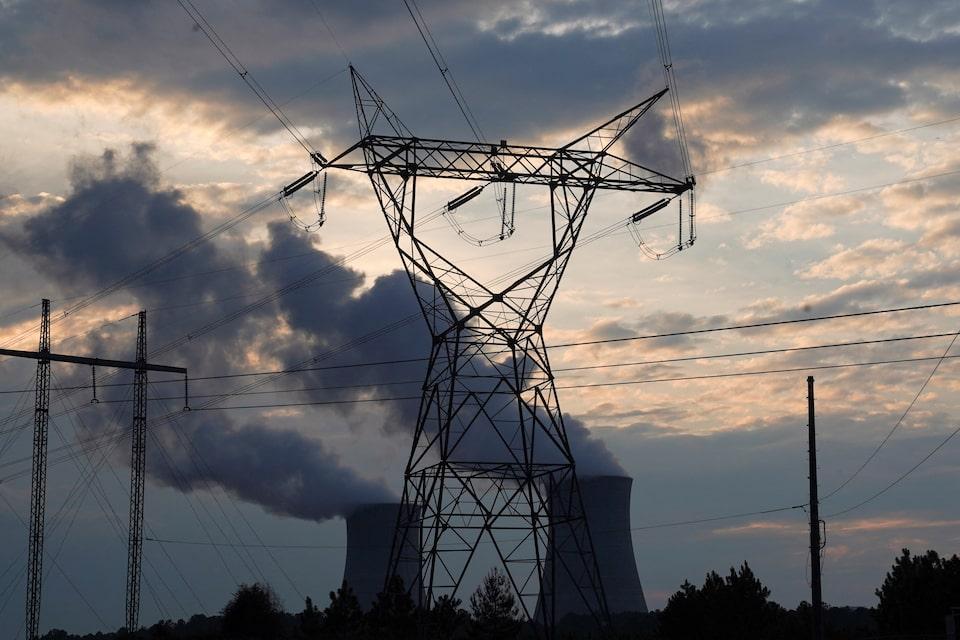
WASHINGTON, Sept 4 (Reuters) - The Trump administration is more willing to support loan guarantees and tax breaks for nuclear power than for wind and solar because it is "more American" than those forms of energy, the director of the U.S. Energy Dominance Council said on Thursday. Jarrod Agen said nuclear power is more likely to be made from U.S.-made parts than wind and solar farms, so the administration is more willing to give it financial aid from the U.S. Loan Programs Office and support tax incentives. Sign up here. "Nuclear is new in that we need to invest in it to get ahead - and it's the long-term play that the president wants to put in place," Agen told an event at the Center for Strategic and International Studies. "It hasn't had the proper kind of investment. It hasn't had the focus that some of the other intermittent (energy sources) have had." Companies at the forefront of building nuclear reactors are American companies, he added. Agen said building out nuclear power is the third prong of the Trump administration's approach to winning the artificial intelligence race against China after extending the lifespans of aging coal plants that are retiring and increasing the efficiency of the existing electric grid. In recent weeks, President Donald Trump has deployed a range of tactics to stop offshore wind expansion, which was a cornerstone of former President Joe Biden's efforts to combat climate change but has struggled with soaring costs and supply chain snags. Most notably, Trump's Interior Department late last month issued a stop-work order on the Revolution Wind project off the coast of Rhode Island, which is 80% complete. Agen dismissed criticism that revoking permits for nearly-completed renewable energy projects causes instability and uncertainty, saying the Trump administration is sending a signal that projects that will succeed will not be reliant on tax credits or subsidies. "If you want to invest in a project that you can be financially viable in, and you're not reliant on tax subsidies to do it, I think that's the message that we're trying to show and I think that we have seen success on the fossil fuels," he said. https://www.reuters.com/business/energy/trump-supports-nuclear-power-it-is-more-american-than-wind-solar-us-official-2025-09-04/
2025-09-04 21:23
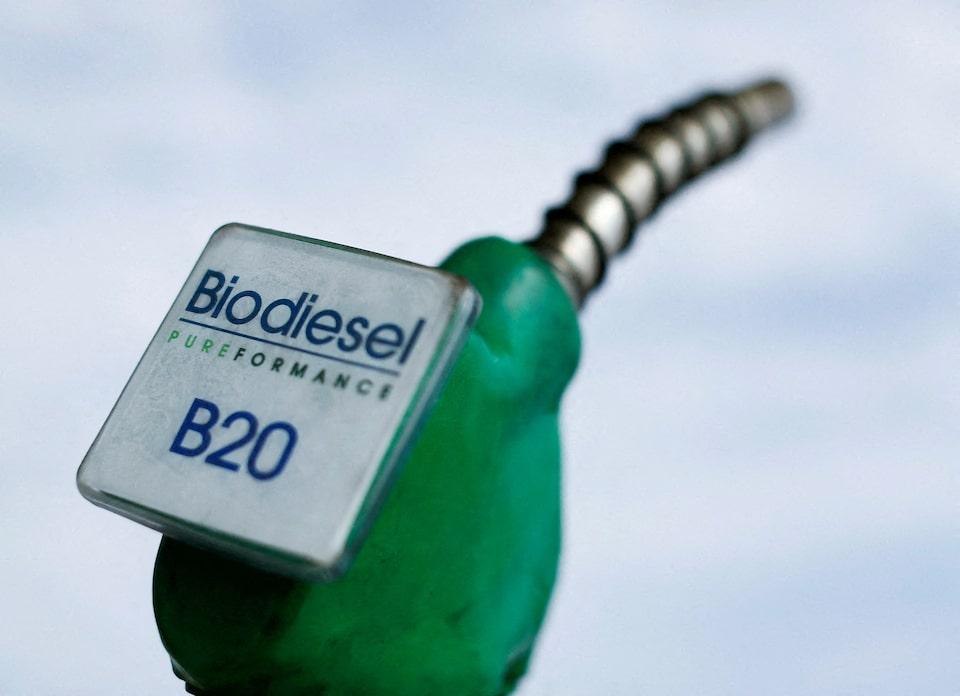
NEW YORK, Sept 4 (Reuters) - U.S. imports of biodiesel and renewable diesel slumped to a decade low in the first half of 2025 after a change in tax credits for the fuels went into effect, the U.S. Energy Information Administration said on Thursday. The U.S. this year revamped the way it awards tax credits designed to incentivize biofuel production and consumption, with the changes effectively ending such incentives for imports of biodiesel and renewable diesel. Until last year, imports and local production earned the same $1 per gallon credit, but the new program applies to domestic production only. Sign up here. "This tax credit change placed imports at a relative economic disadvantage," the EIA said. U.S. biodiesel imports averaged 2,000 barrels per day in the first half of this year, compared to 35,000 bpd in the same period last year, EIA data showed. Renewable diesel imports fell to 5,000 bpd from 33,000 bpd last year. For both fuels, these are the lowest imports in the first six months of the year since 2012, EIA data showed. The decline in imports was also partly attributable to a slowdown in consumption due to uncertainty around blending requirements and negative profit margins for blending biofuels, the EIA said. Consumption will likely pick up in the months ahead to meet existing mandates under the U.S. Renewable Fuel Standard program, but imports will remain low due to the change in tax credits, the EIA said. "(We) forecast U.S. biodiesel net imports in 2025 and 2026 to be their lowest since 2012," the EIA said. https://www.reuters.com/sustainability/climate-energy/us-biodiesel-renewable-diesel-imports-slump-after-changes-tax-credits-2025-09-04/
2025-09-04 21:05
ORLANDO, Florida, Sept 4 (Reuters) - TRADING DAY Making sense of the forces driving global markets Sign up here. By Jamie McGeever, Markets Columnist U.S. equity and bond prices rose on Thursday as soft U.S. jobs data boosted hopes for an interest rate cut from the Fed later this month. Whether that transpires could be determined by Friday's critical August employment report. More on that below. In my column today, I look at the explosion of gold as a share of central banks' reserve assets, which is now bigger than that of the euro and U.S. Treasuries. Its footprint is growing. Fast. If you have more time to read, here are a few articles I recommend to help you make sense of what happened in markets today. Today's Key Market Moves Today's Talking Points: * Central bank independence Stephen Miran, U.S. President Donald Trump's nominee for the Fed Board of Governors, testified before a Senate committee on Thursday. Miran said the Fed's independence is "paramount", he will act independently if confirmed, and he is "not at all" Trump's puppet. Trouble is, this may only be lip service. Trump's efforts to fire Governor Lisa Cook, pressure Chair Jerome Powell and stuff the Board with allies sympathetic to his low interest rate view suggest politicization of the Fed is well underway. So far, markets have only wobbled. But many observers fear they could get a whole lot more volatile. * Tarifflation Are tariffs inflationary? So far, the evidence suggests not. Goods price pressures may be heating up, but headline inflation readings aren't, and inflation expectations aren't becoming un-moored. New York Fed John Williams said on Thursday he sees lower risks to inflation from tariffs than he originally expected, while Trump advisor and Fed nominee Miran said tariffs aren't inflationary at all. Research by the Yale Budget Lab , opens new tab this week is probably on the money - it's too early to say, and what's more, it's complicated. * Oil (price) spill? Eight OPEC+ members are mulling an additional output hike as the group seeks to regain market share. OPEC+, which pumps about half of the world's oil, has reversed its strategy of production cuts from April and has already raised quotas by about 2.5 million barrels per day. Further increases should put prices under pressure, a welcome relief for the many governments and central banks trying to get inflation down. Analysts at Goldman Sachs say the market is already oversupplied, and moves like this from OPEC+ could deliver a big enough glut to push Brent down towards $50 a barrel next year. That would imply another 25% downside from here. Gold's rise in central bank reserves appears unstoppable Worries over inflation, deteriorating U.S. fiscal health, Federal Reserve independence, and geopolitical instability are raising questions about the stability of long-term Treasuries, traditionally the world's safest asset. In response, many central banks are turning back to that "barbarous relic", gold. The fortunes of gold and government bonds have diverged sharply this year, a split highlighted this week as the price of bullion struck a new high and many long-dated bond yields hit levels not seen in years or, in some cases, ever. U.S. Treasuries haven't sold off nearly as sharply as European or Japanese bonds, largely because U.S. debt still enjoys solid underlying demand from central banks and other official institutions managing foreign exchange reserves. But Treasuries have essentially been "treading water" in global reserve portfolios in recent years, while central banks' gold holdings have mushroomed, thanks to accelerating demand and soaring prices. GOLD STANDARD Gold has recently surpassed the euro to become the second-largest global reserve asset after the U.S. dollar and, for the first time since 1996, gold represents a bigger share of central banks' reserves than Treasuries. Central banks now hold 36,000 tons of gold, according to a European Central Bank study, having hoovered up huge volumes since the post-pandemic inflation spike and Russia's invasion of Ukraine in 2022. They have increased their holdings by more than 1,000 metric tons in each of the last three years, a record pace and double the average annual purchases in the preceding decade. With the price of gold currently above $3,500 an ounce - up a whopping 35% so far this year - central banks' gold holdings are now worth around $4.5 trillion. That's significantly more than their $3.5 trillion stash of Treasuries. Moreover, Treasuries' share of total reserves has been shrinking in recent years. It is now only 23%, by some measures, down from previous peaks of more than 30% in the 2010s, and below gold's current 27% share. CHANGED DAYS The last time gold accounted for a greater share of global reserves than Treasuries was 1996. That date is significant. Many European countries sold gold aggressively in the late 1990s ahead of the launch of the euro. Surprisingly, the biggest seller was Britain, which wasn't even joining the single currency union. Gold slumped to around $250 an ounce in August 1999, down 40% from early 1996. This prompted central banks to adopt the "Washington Agreement" that September to effectively cap their sales. In broad terms, the late 1990s was not a gold-friendly time. It was a period of solid growth, low and stable inflation, subdued macro volatility, and the rarest of rare occurrences – a U.S. budget surplus. Nearly three decades on, the global macro environment is very different, one far more conducive to gold. Treasuries, in relative terms, are struggling. Tavi Costa, macro strategist at Crescat Capital, says there are clear parallels between what we're seeing today and the 1970s when monetary instability, inflation, and geopolitical shifts made gold a key strategic reserve asset for central banks. The fact that foreign central banks now hold more gold than U.S. Treasuries is a "significant milestone" that signals a deeper, longer-term, structural change in reserve management, Costa argues. "What we are witnessing may well represent the early stages of a major realignment in global reserve composition." Could gold recapture the eye-watering 75% share of central banks' reserve assets it held in the late 1970s and early 1980s? That's unlikely and would probably require a prolonged economic crisis and years of double-digit inflation. But what will stop the yellow metal's footprint from expanding? That would probably require inflation pressures, geopolitical risk and economic uncertainty to cool significantly. From where we sit now, none of that seems likely in the near term, meaning reserve managers will continue to load up on gold. You wouldn't bet against it. What could move markets tomorrow? Want to receive Trading Day in your inbox every weekday morning? Sign up for my newsletter here. Opinions expressed are those of the author. They do not reflect the views of Reuters News, which, under the Trust Principles , opens new tab, is committed to integrity, independence, and freedom from bias. https://www.reuters.com/business/global-markets-trading-day-graphic-2025-09-04/

2025-09-04 20:56
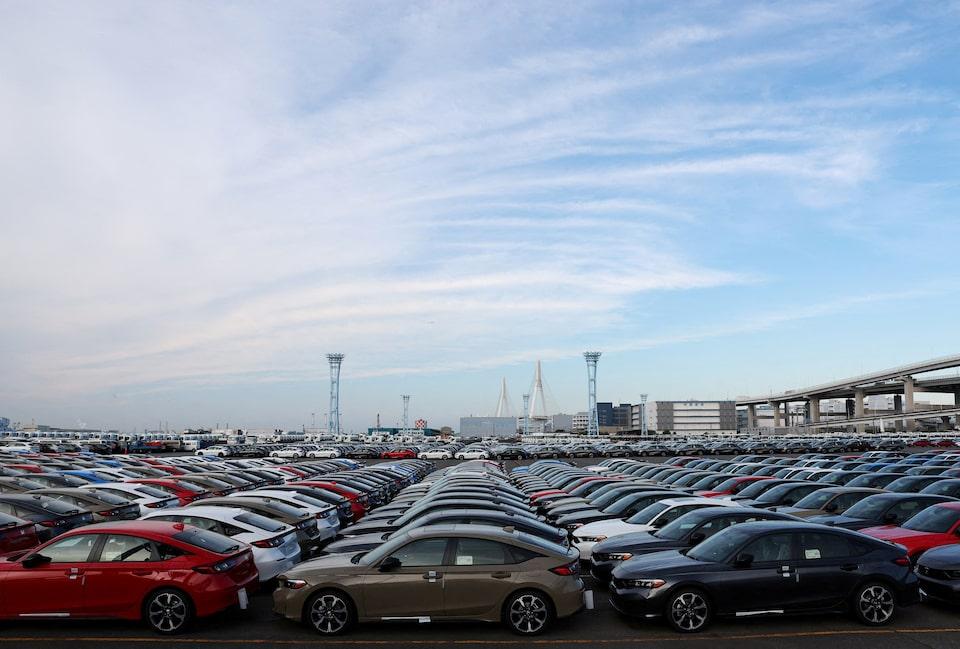
Order cuts US tariffs on Japanese cars to 15% from 27.5% Order reiterates Japan will invest $550 billion in US projects Trump says Japan pledges to buy more rice, other agricultural products WASHINGTON/TOKYO, Sept 4 (Reuters) - U.S. President Donald Trump signed an order on Thursday to implement the lower tariffs on Japanese automobile imports and other products that were announced in July. Formalizing the agreement between the U.S. and a key Asian ally comes after months of negotiations, reduces uncertainty for the massive Japanese auto sector and confirms an agreement for $550 billion of Japanese investment in U.S. projects. Sign up here. The lower tariffs on Japanese autos are set to take effect seven days after publication of the order. Some of the tariff relief is retroactive to August 7. Trump's order also means a reduced U.S. tariff rate on Japanese cars, from the current 27.5% to 15%, is set to take effect by the end of this month, Reuters reported earlier, citing a Japanese government source. Trump's levies on global shipments have hit Japanese carmakers hard. Last month, Toyota (7203.T) , opens new tab said it expected a hit of nearly $10 billion from Trump's tariffs on cars imported into the United States. "Finally," Ryosei Akazawa, Japan's top trade negotiator, posted to X, in a nod to the months-long trade talks that had frustrated lawmakers in Tokyo. Thursday marked his 10th trip to the U.S. for the negotiations. Toyota praised Trump's efforts to reach a trade deal with Japan. "While nearly 80% of the vehicles Toyota sells in the U.S. are made in North America, this framework provides much needed clarity," the company said in a statement. Trump's order says Japan is "working toward an expedited implementation of a 75% increase of United States rice procurements... and purchases of United States agricultural goods, including corn, soybeans, fertilizer, bioethanol (including for sustainable aviation fuel)" and other U.S. products totaling $8 billion per year. As part of the deal, Japan will buy 100 Boeing (BA.N) , opens new tab planes and hike defense spending with U.S. firms to $17 billion annually, from $14 billion, the White House said in July. Japan said in July the share of U.S. rice imports may increase under its existing framework but that the agreement did "not sacrifice" Japanese agriculture. Trump's order Thursday also reiterates the Japanese government has agreed to invest $550 billion in the United States in projects that will be selected by the U.S. government. Two-way trade between the two countries reached nearly $230 billion in 2024, with Japan running a trade surplus of nearly $70 billion. The United States in July agreed to lower tariffs on imports of Japanese automobiles but the timing remains unclear as Trump had yet to sign an executive order. Japan has said the trade deal ensures the U.S.'s fifth-largest trading partner will always receive the lowest tariff rate on chips and pharmaceuticals of all the pacts negotiated by Washington. It also includes no tariffs on commercial airplanes and parts. The executive order is also expected to include provisions that the 15% levy agreed in July would not be stacked on Japanese imports that are subject to higher tariffs, while items previously subject to less than 15% tariffs would be adjusted to 15%, the source said. The investment package, which will come in the form of equity, loans and guarantees from Japan's government-owned banks, was agreed as part of the July trade deal. The European Union secured a 15% baseline tariff as part of a framework trade deal with the U.S. in July, averting looming new tariffs on chips and pharmaceuticals. Last week, the European Commission proposed removing duties on imported U.S. industrial goods in return for reduced U.S. tariffs on European cars, a key part of the trade agreement the EU and the United States. One automaker official told Reuters that as of Thursday, European car imports to the United States are still facing 27.5% tariffs. https://www.reuters.com/business/trump-signs-order-bring-lower-japanese-auto-tariffs-into-effect-2025-09-04/