2025-09-03 12:45
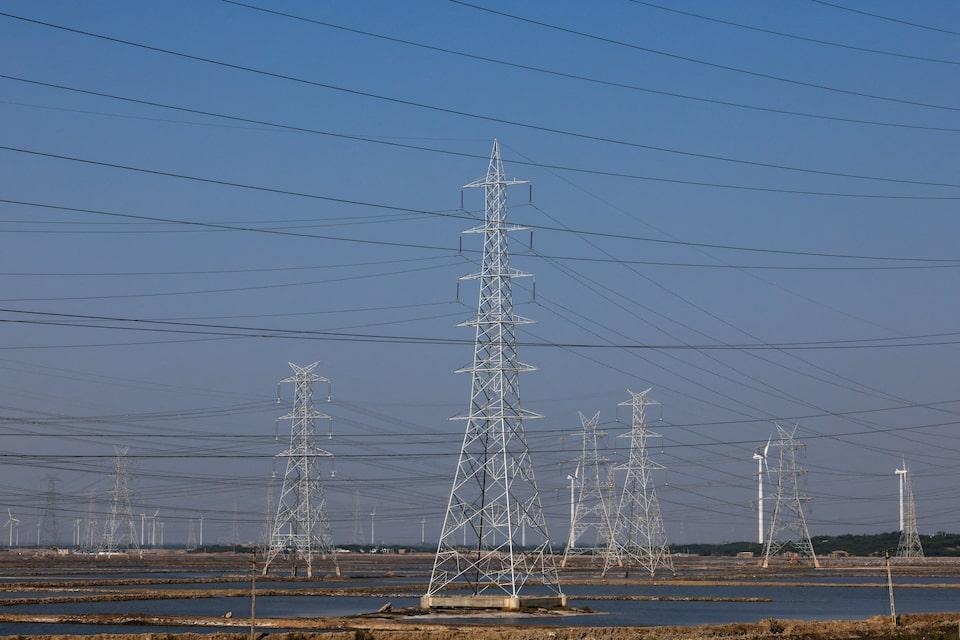
LITTLETON, Colorado, Sept 3 (Reuters) - India's public flogging over its imports of sanctioned Russian oil has been a painful reminder that energy policy is a matter of national security, increasing the attractiveness of domestic energy sources. The world's most populous country relies on imports for nearly 90% of its crude oil supplies, making it dependent on world markets for the fuels, chemicals and other refined products needed to run its economy. Sign up here. But when it comes to electricity, India is far more self-reliant. Roughly 70% of India's electricity comes from coal, around 90% of which is locally mined, while surging home-grown clean power accounts for most of the remainder. As a result, the power industry is better insulated than refiners from supply shocks and geopolitical entanglements. It's also easier to influence via policy tweaks and is a more reliable long-term generator of tax revenue and jobs. In total, this makes India's power sector – rather than its oil refining industry – a more attractive foundation for the country's future national energy strategy. FLATTERING TO DECEIVE? With roughly 50 million cars and nearly 300 million motor bikes and scooters in operation, there's little prospect of India being able to meaningfully reduce its oil dependence any time soon. That said, India's apparent oil addiction may not be as strong as it seems. Between 2021 and 2024 India's, oil consumption expanded at an annual average rate of 4.4% a year, data from the Energy Institute shows. That was by far the fastest growth among the 10 largest oil-consuming nations during this period and well above the global annual average of 3.0%. However, India's potential to drive global oil demand growth may appear larger than it is because of two key factors: China's economic slowdown and Russia's cheap oil exports. China's property sector debt crisis and a slowdown in international trade have reduced oil demand growth in recent years, upending energy market expectations. Between 2000 and 2019, China's annual oil consumption expanded by around 6% a year, establishing Beijing as the main driver of global oil demand. However, since 2021 this pace has slowed to just 3% a year. India, with its brisk demand metrics, has been the prime candidate to take the baton. But India's rapid consumption growth has arguably been artificially inflated by the huge increases in its imports of discounted Russian oil. TOO GOOD TO REFUSE Details on the actual prices that India has paid for Russian oil since 2022 are not available, but the rapid reconfiguration of India's import mix suggests that Russian oil was offered at prices too good to refuse. Until 2021, the highest share that Russia ever held of India's annual oil imports was around 3%, as suppliers including Iraq, Saudi Arabia and United Arab Emirates fulfilled most of India's oil needs. Since 2023, however, Russian oil has accounted for nearly 40% of India's oil imports, making Russia by far the country's top oil supplier. Indeed, India's imports of Russian oil jumped almost 16-fold between 2021 and 2024 from around 100,000 barrels per day to 1.8 million barrels a day, according to Kpler. This, in turn, has given the impression that India's oil demand is growing at a spectacular clip. Yet India's overall oil imports posted a much more modest 14% increase between 2021 and 2024, likely a more accurate indication of India's true oil consumption potential. Of course, this jump remains robust, representing record imports for India in each of the past two years. But, again, that growth was likely only possible because over a third of the oil imported was purchased at prices far below global benchmarks. That discount enabled Indian refiners to supply cheap fuels to the country's consumers, inflating demand. If India had instead been forced to pay full price for that oil, it likely would have bought less, as the fuels and refined products sold into its local markets would have been more expensive. POWERING UP Given the international hostility that India is facing over its reliance on Russian oil, it seems unlikely that India's government would base its energy strategy moving forward on aggressive oil consumption and greater import dependence. In contrast, Indian authorities, who have supported the rapid electrification of transport fleets, appliances and industrial processes, are more likely to continue backing the build-out of more electricity supplies to help drive future economic growth. At the same time, the country is also expanding the use of renewables in its energy basket. India has made aggressive steps to boost local manufacturing of products tied to the energy transition and is on track to double the manufacturing capacity of solar modules by 2030, according to a recent report by SolarPower Europe. If these efforts generate jobs that further boost national economic growth, local and federal authorities are apt to remain strong supporters of the country's energy transition efforts and the businesses behind it. In contrast, further shaming over Russian oil purchases and any cost surges triggered by switching to pricier suppliers will likely erode confidence in India's refining sector. Geopolitical tensions may therefore turn out to be a powerful catalyst for speeding up the energy transition if energy independence becomes necessary for national security. The opinions expressed here are those of the author, a columnist for Reuters. Enjoying this column? Check out Reuters Open Interest (ROI), your essential new source for global financial commentary. ROI delivers thought-provoking, data-driven analysis of everything from swap rates to soybeans. Markets are moving faster than ever. ROI can help you keep up. Follow ROI on LinkedIn , opens new tab and X , opens new tab. https://www.reuters.com/markets/commodities/energy-transition-is-now-national-security-issue-just-ask-india-2025-09-03/
2025-09-03 12:36
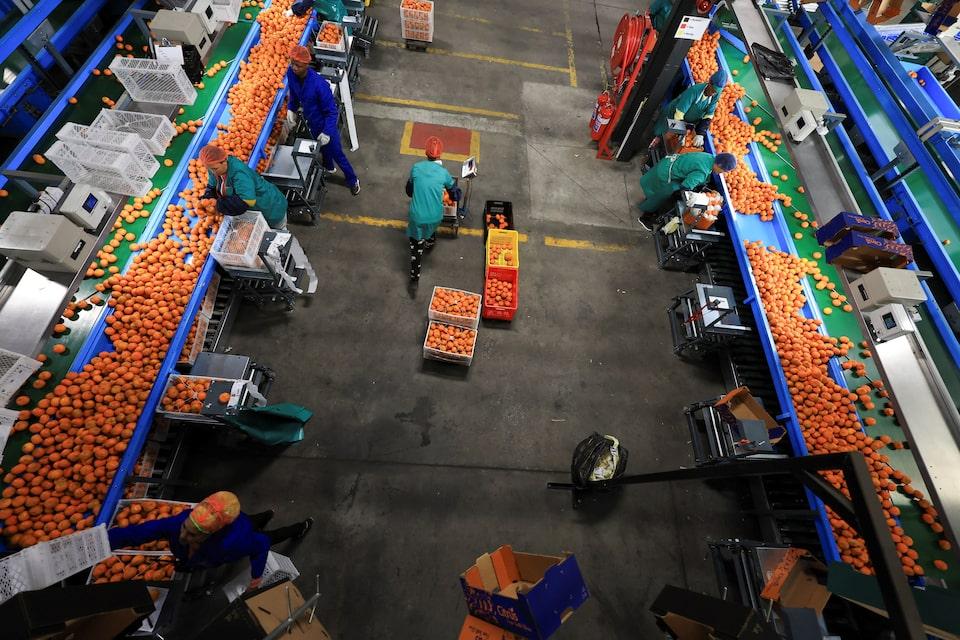
Sept 3 (Reuters) - South African business confidence slipped a point further sequentially in the third quarter of 2025, weighed down by hefty U.S. tariffs on the country's exports, a survey showed on Wednesday. Business confidence fell to 39 points, three points below the long-term average level of 42, according to a survey by the Rand Merchant Bank and compiled by the Bureau of Economic Research. Sign up here. The survey, conducted from August 6 to 25, coincided with the start of the 30% tariff - Sub-Saharan Africa's highest rate - on Johannesburg's U.S. exports and was also marked by cancellations and production breaks in the country's automotive sector. But South Africa's business experience in recent quarters was not out of line with other economies, according to Isaah Mhlanga, Chief Economist at RMB. "Last year brought significant political and economic policy changes in many countries, including South Africa, and following initial excitement, or in some cases, disappointment, conditions are normalising into a difficult emerging global world order," Mhlanga said. However, another survey published on Wednesday showed South African businesses experienced a very modest improvement in operating conditions in August as cost pressures eased. Separately, the South African rand hit a nine-month high in late August, boosted by a weaker dollar and rebound in gold prices, after U.S. Federal Reserve Chair Jerome Powell pointed to a possible rate cut at the central bank's September meeting. https://www.reuters.com/world/africa/safrican-business-confidence-slips-further-third-quarter-amid-tariff-pressure-2025-09-03/
2025-09-03 12:32
US sanctions limit Venezuela's access to foreign currency Venezuela uses USDT to buoy currency exchange PDVSA has increased digital currency usage Sept 3 (Reuters) - Venezuela's government is slowly allowing the use of dollar-tied cryptocurrencies in currency exchanges for the private sector, a dozen sources said, as U.S. restrictions on oil exports reduce available foreign currency. Sanctions by the United States, which the Venezuelan government has characterized as "economic war," prevent many business transactions, forcing companies seeking to buy raw materials from abroad to exchange local bolivars for dollars that are generated by the oil trade and foreign card transactions and are injected into exchanges by the central bank. Sign up here. But oil revenue has taken a hit in recent months. Though the United States Treasury Department last month issued a new, restricted license to Chevron (CVX.N) , opens new tab allowing it to export oil after a three-month pause, the license blocks any payments to the government, reducing the quantity of dollars available for exchange. In response, the Venezuelan government has since June allowed the use of more USDT, a digital currency also known as Tether, whose value is pegged to the U.S. dollar and designed to maintain a stable value, according to the private and financial sector sources, who asked to remain anonymous for fear of repercussions. The use of digital currencies helps keep the economy operating amid the sanctions, including domestic production of basic goods such as food. "When one operation closes, others open," said one business person about the use of crypto. Another source estimated the use of crypto will grow. State-run oil company PDVSA has since last year been slowly increasing its digital currency usage and moving sales to USDT, sources told Reuters last year. Tether did not respond to a request for comment, but said last year it respects the U.S. Treasury's list of sanctioned entities. Neither the Ministry of Communications nor the central bank responded to questions, but Vice President Delcy Rodriguez said during an August meeting with business people that "non-traditional mechanisms of management in the exchange market" were being implemented, without providing more details. The sources said a limited number of banks sell the cryptocurrencies, usually USDT, to some businesses in exchange for bolivars. The businesses must have a digital wallet approved by the authorities and receive the value of the transaction there. Businesses are then free to either sell the crypto or use it to pay domestic or international providers. There are no official figures for crypto sales, but local analyst firm Ecoanalitica has estimated that $119 million in cryptocurrencies were sold to the private sector in July. The Venezuelan central bank injected some $2 billion into the currency exchange market in the first seven months of the year, 14% less than during the same period last year, according to estimates by the private and financial sectors. The restrictions on the Chevron license might further reduce the availability of foreign currency, analysts have estimated. Oil exports declined about 10% in July from the previous month, according to vessel tracking data and company documents. "The availability of exchange always has a ceiling," said lawmaker Orlando Camacho, who is close to the ruling party and the head of a guild for medium-sized companies. "The role of companies is also to guarantee foreign exchange through their exports." https://www.reuters.com/business/energy/with-dollars-scarce-venezuela-currency-exchanges-turn-crypto-2025-09-03/

2025-09-03 12:22
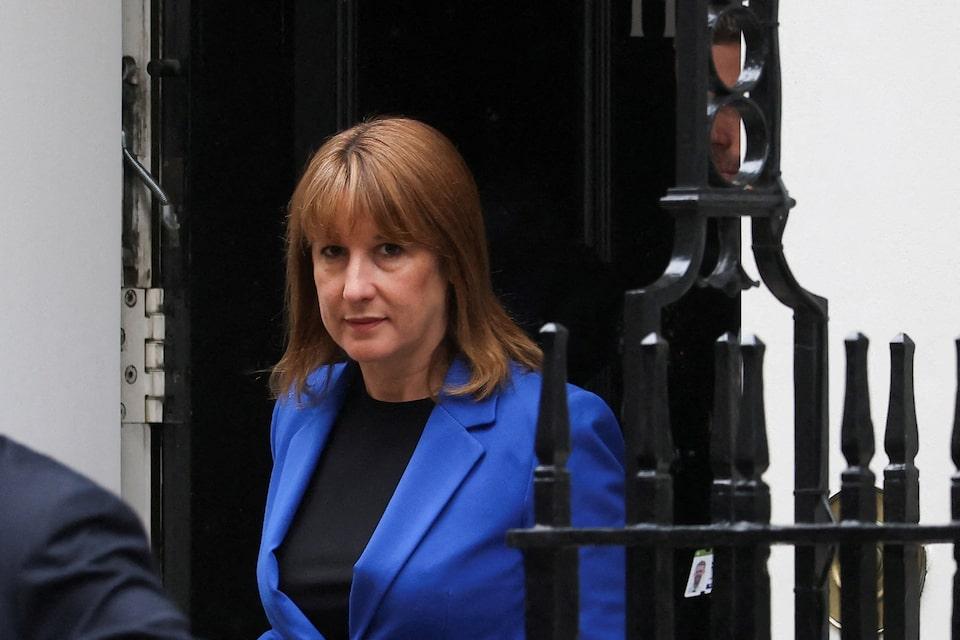
UK's Reeves to present her annual budget on November 26 Sticking to fiscal targets likely to require higher taxes Tax hike speculation hurting business confidence LONDON, Sept 3 (Reuters) - Britain's budget rumour mill was already in full swing well before a date was set on Wednesday, with speculation about tax increases posing a further risk to confidence among businesses and households already anxious about inflation and job losses. Media reports have suggested finance minister Rachel Reeves is considering new taxes on home sales, ways to make more people pay income tax, changes to pensions relief and possibly new levies on banks and gambling in her annual budget, now set for November 26. Sign up here. Britain grew faster than any other Group of Seven economy in the first half of 2025, but much of the momentum was driven by higher public spending and a rush by manufacturers to get ahead of U.S. President Donald Trump's import tariffs. The public finances remain weak and analysts say Reeves will have to raise taxes by at least 20 billion pounds ($27 billion) - and possibly double that - to remain on course to hit her own fiscal targets. The Confederation of British Industry has already called on the government not to repeat last year's tax increase on employers and in August linked a fall in confidence, investment and activity among services firms to short-term uncertainty. Last month, the Royal Institution of Chartered Surveyors said talk of new taxes on home sales was causing concern, while some analysts believe a surprise dip in house prices reported this week might be a sign of weakness to come. And wage data firm Brightmine has said private sector employers are unlikely to raise workers' pay settlements from below-inflation levels until the budget picture becomes clearer. Neil Bellamy, consumer insights director at GfK, which publishes Britain's longest-running gauge of consumer confidence, said reports about tax increases were probably having an impact on the public mood. "It's something people are more aware of in terms of how this could impact me directly," he said. High levels of household savings point to consumer caution, while offering the prospect of stronger spending at some point. Deutsche Bank analysts said a new "Fear Index" based on the bank's surveys showed British consumers are more anxious than at any point since the pandemic, due to worries about unemployment, higher inflation and the reports of possible tax increases. For businesses, uncertainty around the budget comes after the shocks of Brexit, COVID-19, the 2022 surge in energy prices and Trump's tariffs. "If they are in a position to be able to invest, they're still hovering over that button," CBI Chief Economist Louise Hellem said. "They feel that if we just wait a couple of weeks or wait a couple of months, it'll all become a bit clearer. And we never seem to quite get to that point." Hellem, who once helped prepare annual budgets as a Treasury official, said the government was showing it wanted to create a longer-term strategy for the economy. It is seeking to streamline the planning system and boost investment - both public and private - in infrastructure. Hellem also welcomed the government's intention to get more people into work, but said last year's tax increase for employers and uncertainty about plans to give workers more rights risked having the opposite effect. BOND MARKETS ARE WATCHING In her first budget last year, Reeves ordered Britain's biggest tax hikes in three decades, with most of the 40 billion pounds of revenue raisers falling on employers. She has said no further tax increases on that scale are planned. Prime Minister Keir Starmer dropped proposals in June for big welfare savings, however, while Britain's fiscal watchdog is expected to lower its economic growth projections, cutting future tax flows. That leaves Reeves with little option other than to raise taxes to keep on track for her fiscal targets - chief among them a pledge to balance day-to-day spending with revenues by the end of the decade - or risk trouble in the bond market. Investors remain hyper-sensitive to Britain's big borrowing needs after the 2022 "mini-budget" crisis under former Prime Minister Liz Truss. This week, 30-year borrowing costs hit their highest since 1998 amid a broader government debt sell-off. The fine margins of error in Reeves' plans for meeting her fiscal rules - which unusually in Britain are assessed twice a year - also raise the risk that similar uncertainty will drag on the economy ahead of future budgets. That prospect has prompted calls for the eventual restoration of more headroom in budget plans, or more root-and-branch changes to the rules. "If you want growth to happen, you want firms that are investing to be sure about what's going to happen over the next few years," Stephen Millard, deputy director for macroeconomics at the National Institute of Economic and Social Research, a think tank, said. But the likelihood of Reeves carving out more headroom in this year's budget is slim because of the political costs of very big tax increases or deep spending cuts, Millard said. Britain's government might also be tempted to follow the lead of European Union countries which in March agreed they could temporarily spend more on defence without breaking the bloc's rules. "If we're back into the same conversation in a year's time, I think there will be some honest conversations about whether the fiscal framework is fit for purpose," Sanjay Raja, Deutsche Bank's chief UK economist, said. ($1 = 0.7402 pounds) https://www.reuters.com/world/uk/uk-budget-speculation-adds-risks-economy-2025-09-03/
2025-09-03 12:14
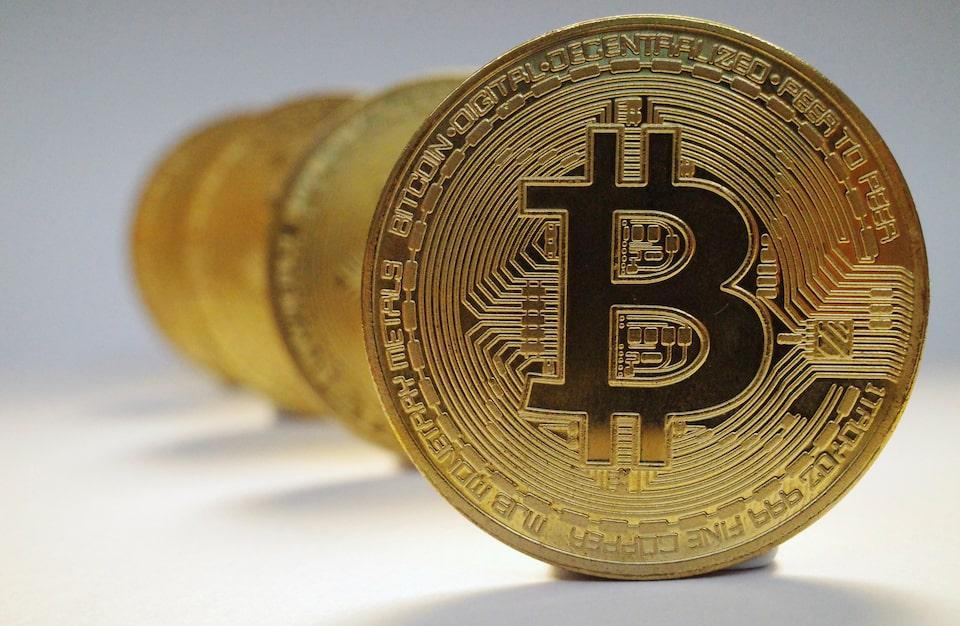
US Bancorp partners with NYDIG for bitcoin custody service SEC's previous guidance made crypto custody capital-intensive for banks Spot bitcoin ETFs gain popularity, attracting banks' interest in custody services Sept 3 - U.S. Bancorp is restarting its bitcoin custody service after a more than three-year pause, as the Trump administration's pro-crypto posture has encouraged traditional financial institutions to delve deeper into digital assets. U.S. Bank's bitcoin custody program - which the firm first announced it would offer in 2021 - is geared toward institutional investment managers with registered or private funds, and for the first time, bitcoin exchange-traded funds. Crypto firm NYDIG will act as the sub-custodian, meaning NYDIG will provide custody of the underlying asset while U.S. Bank will serve as the client-facing intermediary, the bank said. Sign up here. "Having a bank-owned provider that has that strength and stability and continuity, I think, gives clients a lot of comfort in an evolving part of the market," said Stephen Philipson, head of wealth, corporate, commercial, and institutional banking at U.S. Bank (USB.N) , opens new tab. Bitcoin custody service involves an institution safeguarding bitcoin on behalf of a client. Minnesota-based U.S. Bank's bitcoin custody offerings were jettisoned after the U.S. Securities and Exchange Commission in early 2022 issued an accounting bulletin that made it too capital-intensive for lenders to hold crypto tokens such as bitcoin on behalf of clients. That guidance was repealed earlier this year after U.S. President Donald Trump took office. Since then, a spate of banks has indicated their interest in providing various crypto services to their clients. Citigroup is also exploring custody services for digital assets that back crypto-related investment products, an executive told Reuters last month. Banks have eyed asset managers that issue spot bitcoin ETFs as potential custody clients, particularly as those products have exploded in popularity amid bitcoin's soaring price this year. Roughly a dozen asset managers have launched ETFs tracking the spot price of bitcoin since the SEC authorized such products last January. The largest bitcoin ETF, BlackRock's iShares Bitcoin Trust (IBIT.O) , opens new tab, has more than $80 billion in market capitalization. Crypto exchange Coinbase (COIN.O) , opens new tab dominates the custody business for spot bitcoin ETFs, and has previously said that it serves as the custodian for more than 80% of issuers of crypto ETFs. https://www.reuters.com/sustainability/boards-policy-regulation/us-bancorp-revives-institutional-bitcoin-custody-service-2025-09-03/
2025-09-03 12:02
Focus on US jobs data, due for release on Friday Trump administration to ask Supreme Court for expedited tariff ruling Gold rally may still have room to run in 2025, analysts say Sept 3 (Reuters) - Gold hit another record high on Wednesday, consolidating gains above the $3,500 level on growing expectations of a Federal Reserve rate cut this month and concerns over U.S. tariff policy and the independence of its central bank. Spot gold was up 0.4% at $3,547.27 per ounce as of 1132 GMT, after hitting an all-time high of $3,549.53 earlier in the session. U.S. gold futures for December delivery gained 0.6% to $3,613.30. Sign up here. Adding to market uncertainty and potential trade tensions, U.S. President Donald Trump's administration said it will ask the Supreme Court for an expedited ruling on tariffs that a U.S. appeals court found to be illegal last week. "The tariff issues and roadblock provided by the Supreme Court will be a critical test for Trump, (and) irrespective of the outcome, gold provides a welcome respite from market turbulence for investors," said independent analyst Ross Norman. "Rate cuts are starting to look baked in, but questions are now arising whether there will be further cuts. Lower rates would stimulate economic activity in the U.S. as well as further weaken the dollar... providing a strong tailwind to gold." Trump has been exerting relentless pressure on the Fed to cut interest rates, and publicly discussed firing Fed Chair Jerome Powell. In a sharp escalation, Trump last month attempted to fire Fed Governor Lisa Cook, setting off a critical legal test over the Fed's ability to function without political interference. Rate-cut expectations and worries over the Fed's independence have weighed on the U.S. dollar (.DXY) , opens new tab, which is down more than 9% since the start of the year, making gold less expensive for overseas buyers. Investors are pricing in a 92% chance of a 25 basis-point Fed rate cut at the end of its policy meeting on September 17, according to CME Group's FedWatch tool. Non-yielding gold typically performs well in a low-interest-rate environment. "I do think given the geopolitical risk and Federal Reserve outlook, the gold rally may still have room to run in 2025," said Zain Vawda, analyst at MarketPulse by OANDA. All focus is now on U.S. non-farm payrolls data, due on Friday, for clues on the size of the Fed's potential cut. Analysts see spot gold in a $3,600-$3,900 range in the near to medium term, with potential to test the $4,000 level in 2026 if economic and geopolitical uncertainties persist. Elsewhere, spot silver eased 0.1% to $40.87 per ounce after hitting its highest since September 2011. Platinum gained 0.1% to $1,404.09 and palladium rose 1.7% to $1,153.46. https://www.reuters.com/world/india/gold-adds-record-rally-rate-cut-bets-trade-turmoil-lift-demand-2025-09-03/