2025-09-03 03:38
Q2 GDP growth tops forecast, fastest annual pace in nearly 2 years Consumers finally spend after rate cuts Public, private investments add little to growth Weak business investment raises concerns Markets slightly pare back chance of November rate cut SYDNEY, Sept 3 (Reuters) - Australia's economy grew at the fastest annual pace in almost two years in the second quarter as consumers finally started spending after multiple rate cuts, taking over from the government as the main driver of growth. The Reserve Bank of Australia has reduced rates three times since February to 3.6% as inflation cooled, providing some relief to households but frail business investment and global economic uncertainty will likely maintain pressure on the central bank to ease policy further. Sign up here. "Today’s data are an encouraging confirmation that heightened global uncertainty did not take a heavy toll on the economy in Q2," said Sean Langcake, head of macroeconomic forecasting for Oxford Economics Australia. "Still, Q2 may prove to be a high watermark for growth in 2025. The June quarter benefitted from a rebound from a soft Q1, business and consumer confidence are still a little shaky and the labour market appears to be cooling." The Australian Bureau of Statistics on Wednesday reported real gross domestic product (GDP) rose 0.6% in the second quarter, topping market forecasts of a 0.5% gain. That compared with a 0.3% gain in the first quarter. Annual growth accelerated to 1.8%, from 1.4%, the fastest pace in almost two years and slightly stronger than the RBA's forecast of 1.7% by year-end. The forecast-topping GDP figures pushed up the Australian dollar 0.1% to $0.6525, while three-year government bond futures fell 5 ticks to 96.48. Investors pared back the chance for a rate cut in November to 92%, from almost 100% certainty before the data, while the total easing expected dropped to 45 basis points, from about 50 bps. The central bank has so far adopted a gradual and cautious approach to policy easing, having cut in February, May and August after assessing inflation data for each quarter. The focus is now on the labour market, which has eased from full employment levels albeit at a gradual pace. The bureau said household consumption jumped 0.9%, led by discretionary spending, adding 0.4 percentage points to GDP growth. The rate cuts so far have lowered mortgage repayments for households, with government's tax cuts boosting their cashflows. The household savings ratio eased back to 4.2%, from 5.2%, as consumers chose to spend rather than save. Tom Lay, head of national accounts at the bureau, said end of financial year sales and new product releases contributed to rises in spending on furnishings, household equipment, cars and recreation. "Households took advantage of the proximity of Easter to ANZAC day to extend their holiday break, resulting in rises in discretionary services," said Lay. WEAK GOVERNMENT, BUSINESS INVESTMENTS Government spending, which was the engine of activity last year, added little to growth as investment in roads, rail and health fell. Private investment was flat after a 0.6% rise in the first quarter, again barely contributing to activity. Net exports added 0.2 percentage points to GDP. Treasurer Jim Chalmers said business investment will be the key focus as the government has identified areas like housing, renewable energy, critical mineral projects and data centres as a priority. "In these numbers today we acknowledge the flatness of business investment, but across almost every area, we are seeing some encouraging developments," said Chalmers, noting that dwelling investment rose for a sixth straight quarter. The report showed GDP per capita rose 0.2% in the quarter, having slid back into negative territory the previous quarter. That is still modest considering the strong population growth. "While today’s numbers all but rule out an RBA rate cut in September, the pace of expansion suggests further loosening of monetary policy is needed," said Tony Sycamore, analyst at IG. https://www.reuters.com/world/asia-pacific/australias-q2-gdp-growth-quickens-2-year-high-consumers-open-wallets-2025-09-03/
2025-09-03 03:04
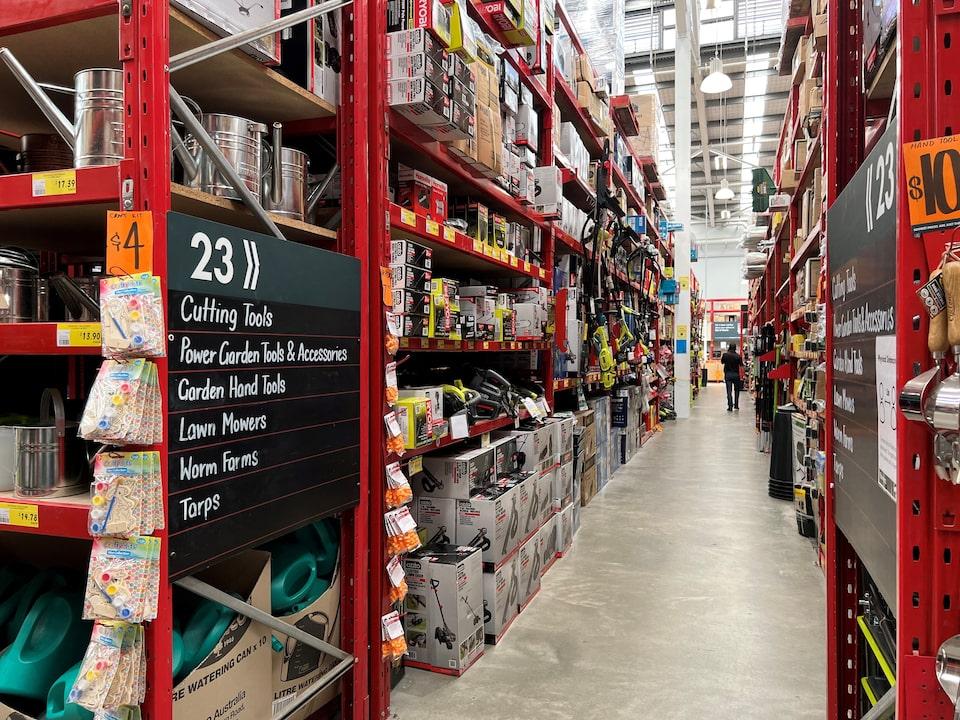
MUMBAI, Sept 3 (Reuters) - The Indian rupee is expected to open higher on Wednesday, shrugging off weakness in Asian peers and soft risk sentiment, with market participants noting that the near-term depreciating bias has moderated to an extent. The 1-month non-deliverable forward indicated the rupee will open in the 88.04 to 88.08 range versus the U.S. dollar, compared with 88.1550 in the previous session. Sign up here. The rupee on Tuesday saw choppy price action, rising to an intraday high of 87.85 before slipping back past the 88 mark. Traders said the brief climb past 87.95, a key resistance level, signalled that near-term pressure on the currency had tempered. "We will still see whippy price action. However, the bias near term is more balanced now than what it was before," a trader at a private sector bank said. The move to 87.85 on Tuesday was helped by one-off foreign bank flows and the "mildest of optimism" on U.S.-India trade, the trader said. That optimism stemmed from India’s commerce minister saying he expects a U.S.-India trade pact to be finalised by November despite recent setbacks, the trader pointed out. The remarks coincided with U.S. President Donald Trump’s comments that India had offered to cut its tariffs “to nothing.” DOLLAR CLIMBS, EQUITIES SLIDE The dollar index rallied 0.66% on Tuesday and inched higher in Asia on Wednesday. Asian currencies weakened against the dollar. The dollar's strength came amid a drop in U.S. and European equities and as long-dated European bond yields hit multi-year highs, with investors increasingly concerned about the fiscal situation. https://www.reuters.com/world/india/rupee-likely-get-breather-despite-challenging-asia-backdrop-2025-09-03/
2025-09-03 01:38
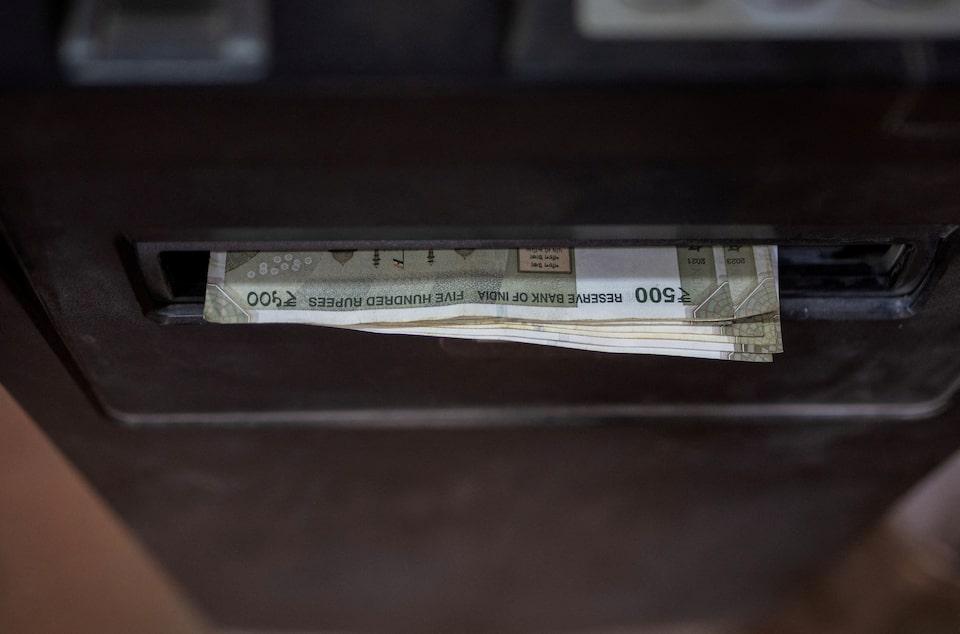
BRASILIA, Sept 2 (Reuters) - Brazil's Treasury on Tuesday made its third foreign debt sale of the year, marking the first time since 2014 that Latin America's largest economy has conducted more than two external bond sales in a single year. The country launched a new 30-year note and reopened an existing five-year benchmark, the Treasury said in a statement, lauding the transaction as "successful" and a sign of investor confidence in its economic management. Sign up here. The operations were aimed at boosting liquidity in Brazil's dollar yield curve abroad, providing benchmarks for corporate issuers, and pre-financing upcoming foreign currency debt maturities, it said. The new 30-year benchmark had a yield of 7.5%, but the Treasury said it would disclose only on Wednesday the amount raised. News service IFR reported that the transaction reached $1 billion. The reopening of the five-year sovereign bonds, meanwhile, totaled $750 million at a yield of 5.20%, the Treasury said. "The success of the operation reopens the market, serving as a benchmark for corporate issuances, and reflects investor confidence in Brazil's economic policy and credit," its statement said. "It reinforces the historic and strong integration between the Brazilian and U.S. markets in terms of public debt management," the Treasury added. The remarks come at a time when the South American country has faced 50% tariffs imposed by President Donald Trump on U.S. imports of several Brazilian goods. Tuesday's deal was led by Bank of America, Itau BBA and JPMorgan. Brazil had already tapped global markets this year with a $2.5 billion sovereign bond sale in February and a $2.75 billion issue in June. In July, Treasury Secretary Rogerio Ceron told Reuters the country had a "very favorable" risk spread and would "definitely" remain active in external markets in the second half. Ceron said that Brazil has benefited from global asset reallocation tied to U.S. policy shifts, with its large share of local-currency debt and high real interest rates drawing strong capital inflows. That has supported Brazil's real , which is up more than 10% against the U.S. dollar this year, spurred corporate bond sales, boosted foreign participation in public debt, and supported equity market gains. https://www.reuters.com/sustainability/boards-policy-regulation/brazil-taps-global-markets-third-debt-sale-2025-most-decade-2025-09-03/

2025-09-02 23:05
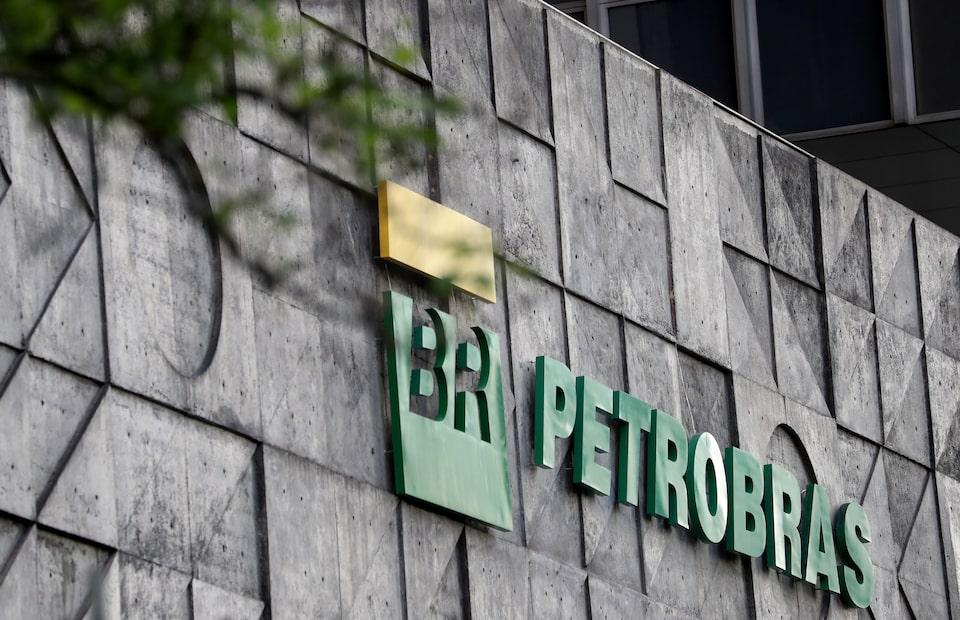
SAO PAULO, Sept 2 (Reuters) - Brazil's Petrobras (PETR3.SA) , opens new tab has been seeing strong demand from India and China for its products, CEO Magda Chambriard said on Tuesday, noting the two countries could have shielded the state-run oil company from the impacts of potential U.S. tariffs. The South American country could have "easily redirected exports" if U.S. President Donald Trump had imposed levies on imports of Brazilian oil, Chambriard said at an event hosted by Bloomberg in Sao Paulo. Sign up here. "India presents itself to Brazil and Petrobras as a buyer of any product we want to export," she said. https://www.reuters.com/sustainability/climate-energy/petrobras-ceo-touts-strong-demand-china-india-2025-09-02/
2025-09-02 22:55
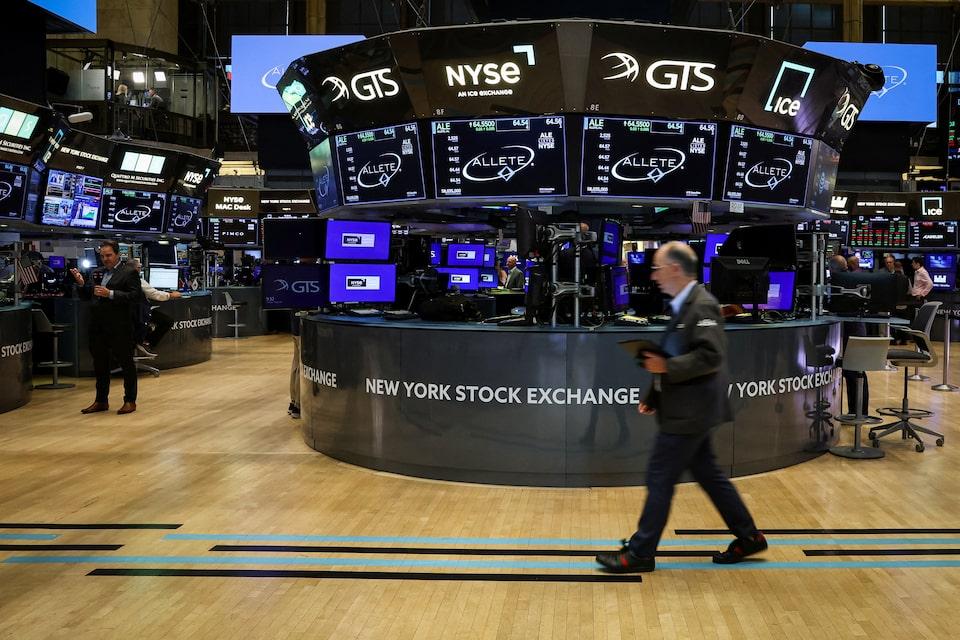
PepsiCo gains after Elliott discloses $4 billion stake Kraft Heinz shares fall US jobs report due on Friday Indexes: Dow down 0.6%, S&P 500 down 0.7%, Nasdaq down 0.8% NEW YORK, Sept 2 (Reuters) - Wall Street started off September on a sharply lower note on Tuesday as investors weighed the future of President Donald Trump's tariffs after a federal appeals court ruled most of his sweeping tariffs illegal. A divided U.S. appeals court made the ruling on Sign up here. The appeals court ruling rattled investors after the long Labor Day holiday weekend, with September traditionally a weak month for equities. The Cboe Volatility Index (.VIX) , opens new tab - Wall Street's fear gauge - rose, but the major stock indexes ended off their worst levels of the day. With the ruling, "the question becomes, 'Has the Trump administration alienated our trading partners as well as given up the revenue from tariffs?' That's what's plaguing markets," said Oliver Pursche, senior vice president and adviser for Wealthspire Advisors in Westport, Connecticut. "By the same token, it's too early to call this the beginning of a great correction," he said. "At the end of the day, we all know that August-September tend to be more volatile and a little more challenging for investors before we get into the fourth quarter, which tends to be a pretty solid one." Data going back decades shows that, on average, September is the worst month for U.S. stocks, and some investors are bracing for another bumpy ride this year. In addition, investors are anxious to see the monthly U.S. payrolls report, due on Friday, and whether weak U.S. job growth continued for a fourth month in August. The Dow Jones Industrial Average (.DJI) , opens new tab fell 249.07 points, or 0.55%, to 45,295.81, the S&P 500 (.SPX) , opens new tab fell 44.72 points, or 0.69%, to 6,415.54 and the Nasdaq Composite (.IXIC) , opens new tab fell 175.92 points, or 0.82%, to 21,279.63. U.S. rate futures widely expect the Federal Reserve to lower interest rates this month, pricing in a 92% chance of a 25-basis-point cut at the end of its two-day policy meeting on September 17, according to CME Group's FedWatch. Real estate (.SPLRCR) , opens new tab fell 1.7% and had among the biggest S&P 500 sector declines on the day, with U.S. 30-year Treasury yields on Tuesday climbing to their highest levels since mid-July. Also, shares of Kraft Heinz (KHC.O) , opens new tab dropped 7% after the company said it will split into two companies, one focused on groceries and the other on sauces and spreads. On the flip side, shares of PepsiCo (PEP.O) , opens new tab gained 1.1% after Elliott Management disclosed a $4 billion stake in the beverages company, launching an activist campaign. On the Nasdaq, 1,555 stocks rose and 3,099 fell as declining issues outnumbered advancers by about a 1.99-to-1 ratio There were 105 new highs and 118 new lows. On the NYSE declining issues outnumbered advancing ones by a 2.4-to-1 ratio . There were 176 new highs and 53 new lows. Volume on U.S. exchanges was 16.41 billion shares, compared with the 16.26 billion average for the full session over the last 20 trading days. https://www.reuters.com/business/wall-street-ends-lower-ruling-trump-tariffs-raises-concerns-2025-09-02/
2025-09-02 22:21
Sept 2 (Reuters) - U.S. Treasury Secretary Scott Bessent will launch a series of interviews on Friday to select the next Federal Reserve chair, with the process extending into next week, the Wall Street Journal reported on Tuesday, citing people familiar with the matter. Reuters could not immediately verify the report. Sign up here. https://www.reuters.com/business/us-treasury-secretary-begin-fed-chair-interviews-friday-wsj-reports-2025-09-02/