2025-09-02 17:50
Sept 2 (Reuters) - Gold's latest rally, triggered by expectations of U.S. rate cuts, concerns about Federal Reserve independence and strong demand from investors as well as the central bank, is likely to propel prices to new records in the coming weeks. Analysts see spot gold , which hit a record high of $3,527.5 as of 1700 GMT on Tuesday, in a $3,600-$3,900 range in the near to medium term, with potential to test the $4,000 level in 2026 if economic and geopolitical uncertainties persist. Sign up here. Gold has gained more than 34% this year and analysts have steadily raised their average 2025 price outlook from $2,756 an ounce in January to $3,065 in April and most recently to $3,220 in July, according to Reuters polls. Fed Chair Jerome Powell's acknowledgment of rising employment risks has seen financial markets betting on a September interest rate cut. "Supportive for gold is the bearish dollar outlook underpinned by expectations of Fed cuts, investors distancing from U.S. assets and tariff-related economic uncertainty," said Ricardo Evangelista, senior analyst at ActivTrades. The dollar has fallen nearly 11% since Donald Trump returned to the White House in January. A softer dollar makes the greenback-priced gold less expensive for holders of other currencies. Meanwhile, Trump's criticism of Powell and attempts to remove Governor Lisa Cook have heightened concerns over the Fed's independence and sparked further gold purchases. "The most bullish wildcard is... potential interference with the U.S. Federal Reserve and concerns about the dollar's status as a safe-haven," said Julius Baer analyst Carsten Menke. Among other factors fortifying gold's appeal are security concerns emanating from the Middle East and between Russia and Ukraine and central bank demand, particularly from developing countries. That includes China's central bank adding gold to its reserves for the ninth consecutive month in July. World Gold Council data shows central banks plan to increase gold holdings as a share of their reserves, while reducing dollar reserves over the next five years. "The combination of a rising gold price and central bank accumulation means that gold shares of reserves have risen steeply for some central banks," said Michael Hsueh, Deutsche Bank's precious metals analyst. Gold-backed ETFs have also seen significant inflows. SPDR Gold Trust , the world's largest physically-backed gold ETF, said its holdings rose to 977.68 tons for a 12% increase so far this year and its highest since August 2022. https://www.reuters.com/world/india/looming-fed-rate-cuts-fuel-gold-price-bonanza-records-2025-09-02/

2025-09-02 16:24
Manufacturing PMI eases to 48.7 in August Factories report worse conditions than Great Recession AI spending offsets some tariff impact, but hiring remains grim WASHINGTON, Sept 2 (Reuters) - U.S. manufacturing contracted for a sixth straight month in August as factories dealt with the fallout from the Trump administration's import tariffs, with some manufacturers describing the current business environment as "much worse than the Great Recession." The Institute for Supply Management (ISM) survey on Tuesday also showed some manufacturers complaining that the sweeping import duties were making it difficult to manufacture goods in the United States. President Donald Trump has defended his protectionist trade policy, which has raised the nation's average tariff rate to the highest in a century, as necessary to revive a long-declining U.S. industrial base. Sign up here. That was reinforced by government data showing spending on the construction of factories dropped in July and was down 6.7% from a year ago. A U.S. appeals court ruled last Friday that most of Trump's tariffs were illegal, adding more uncertainty for businesses. "I continue to see the broad economy generally and the manufacturing sector in particular as in a holding pattern until tariff-related uncertainty recedes," said Stephen Stanley, chief U.S. economist at Santander U.S. Capital Markets. The ISM said its manufacturing PMI edged up to 48.7 last month from 48.0 in July. A PMI reading below 50 indicates contraction in manufacturing, which accounts for 10.2% of the economy. Economists polled by Reuters had forecast the PMI would rise to 49.0. Seven industries, including textile mills, miscellaneous manufacturing and primary metals, reported growth last month. Among the 10 industries reporting contraction were makers of paper products, machinery, electrical equipment, appliances and components as well as computer and electronic products. Tariffs continued to dominate commentary from manufacturers. Some makers of transportation equipment said conditions were worse than the 2007-09 recession, adding "there is absolutely no activity" and "this is 100 percent attributable to current tariff policy and the uncertainty it has created." Some viewed the conditions as consistent with "stagflation." Some electrical equipment, appliances and components producers complained that "'made in the USA' has become even more difficult due to tariffs on many components." They said the "administration wants manufacturing jobs in the U.S., but we are losing higher-skilled and higher-paying roles." Others reported that because of the lack of "stability in trade and economics, capital expenditures spending and hiring are frozen." Manufacturers of computer and electronic products said "tariffs continue to wreak havoc on planning and scheduling activities," adding that "plans to bring production back into (the) U.S. are impacted by higher material costs, making it more difficult to justify the return." Food, beverage and tobacco products manufacturers warned that everything made of organic sugar was "about to get significantly more expensive" because of a 50% tariff on imports from Brazil and the U.S. Department of Agriculture's elimination of the specialty sugar quota. Stocks on Wall Street were trading lower as investors worried over the appeals court ruling on the legality of tariffs. The dollar advanced against a basket of currencies. U.S. Treasury yields rose. GRIM HIRING PICTURE The ISM survey's forward-looking new orders sub-index increased to 51.4 after contracting for six consecutive months. Nonetheless, ISM Manufacturing Business Survey Committee Chair Susan Spence said that for every positive comment about new orders there were "2.5 comments expressing concern about near-term demand, primarily driven by tariff costs and uncertainty." The survey's production gauge fell to 47.8 from 51.4 in the prior month. With production declining, factory employment remained subdued, with the ISM noting that "layoffs and not filling open positions remain the main head-count management strategies." "The grim hiring picture for manufacturing suggests companies have little confidence that a sustained improvement in demand lies around the corner," said Oliver Allen, senior U.S. economist at Pantheon Macroeconomics. Suppliers took a bit longer to deliver materials to factories last month. The ISM survey's supplier deliveries index increased to 51.3 from 49.3 in July. A reading above 50 indicates slower deliveries. Lengthening delivery times meant prices paid by factories for inputs remained elevated. The survey's prices paid measure slipped to a still-high 63.7 from 64.8 in July. The high reading supports economists' contention that goods prices will accelerate in the second half of 2025. Tariffs have been slow to pass through to higher inflation, with economists arguing that businesses are still selling merchandise accumulated before the import duties kicked in. Businesses also have been absorbing some of the tariff-related costs. But inventories were drawn down in the second quarter and companies have warned tariffs are raising their costs, which economists expect will eventually be passed on to consumers. It is, however, not all doom and gloom for manufacturing. Businesses have been boosting spending on AI products, which is helping to offset some of the drag from import duties. Spending on intellectual property products grew at its fastest pace in four years in the second quarter, while investment in equipment was strong. Economists expect the AI spending spree to continue, with factories also likely to get a boost from accelerated depreciation allowances on investments in Trump's tax and spending bill. "Tax incentives that start in 2026 may help to boost investment later in 2025 and into 2026, but for now most producers remain in wait-and-see mode," said Ben Ayers, senior economist at Nationwide. https://www.reuters.com/business/us-manufacturing-contracts-sixth-straight-month-amid-tariff-drag-2025-09-02/
2025-09-02 16:01
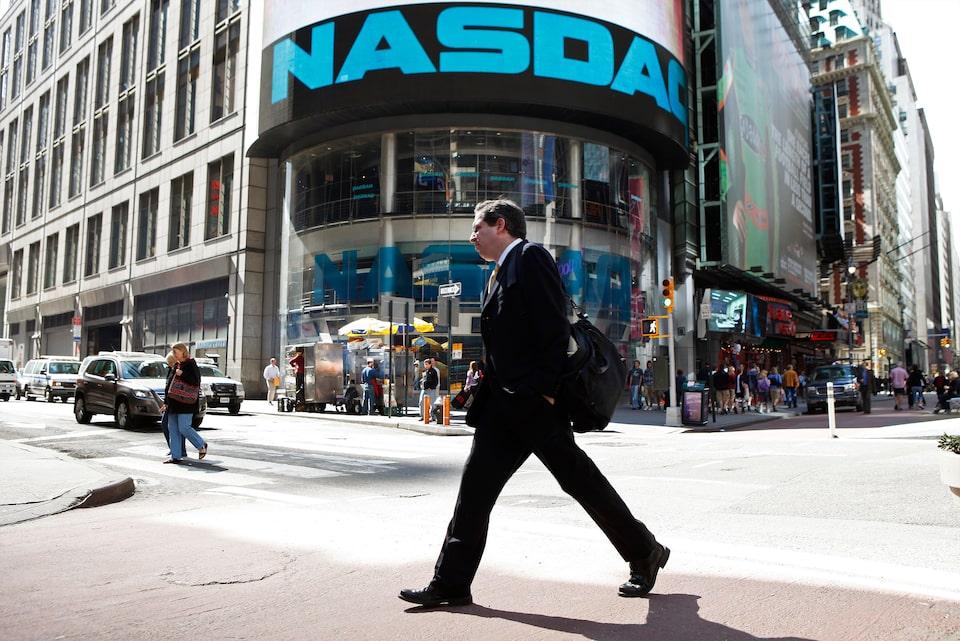
Sept 2 (Reuters) - Figure Technologies is targeting a valuation of up to $4.13 billion in its initial public offering, the blockchain lender said on Tuesday, becoming the latest crypto firm to capitalize on revived investor interest in new listings. Renewed regulatory clarity and strong inflows into crypto-focused exchange-traded funds have accelerated institutional adoption of digital assets, while successful debuts by crypto exchange Bullish (BLSH.N) , opens new tab and stablecoin issuer Circle(CRCL.N) , opens new tab have encouraged other firms to go public. Sign up here. Figure and some of its existing investors plan to sell 26.3 million shares in the IPO at prices expected to be between $18 and $20, aiming to raise up to $526.3 million. Earlier on Tuesday, Swedish fintech Klarna and Gemini, the cryptocurrency exchange backed by the Winklevoss twins, also launched roadshows. "With the current administration strongly supportive of the space, the (IPO) pipeline is likely to remain active for well-structured, compliance-forward players," IPOX CEO Josef Schuster said. Co-founded in 2018 by technology entrepreneur Mike Cagney, Figure operates a blockchain-native platform for lending, trading and investing in consumer credit and digital assets. The company says it funds home equity loans in just 10 days, compared to the industry average of 42 days. The company swung to a profit of $29 million for the six months ended June 30, compared with a loss of $13 million in the same period a year earlier. "Investors in this space tend to be patient because they see the long-term potential—especially with regulatory hurdles starting to clear and adoption continuing to grow," said Jeff Zell, senior research analyst at IPO Boutique. Goldman Sachs, Jefferies and BofA Securities are the lead underwriters. Figure will list on the Nasdaq under the symbol "FIGR". https://www.reuters.com/business/blockchain-lender-figure-seeks-up-41-billion-valuation-us-ipo-2025-09-02/
2025-09-02 14:21
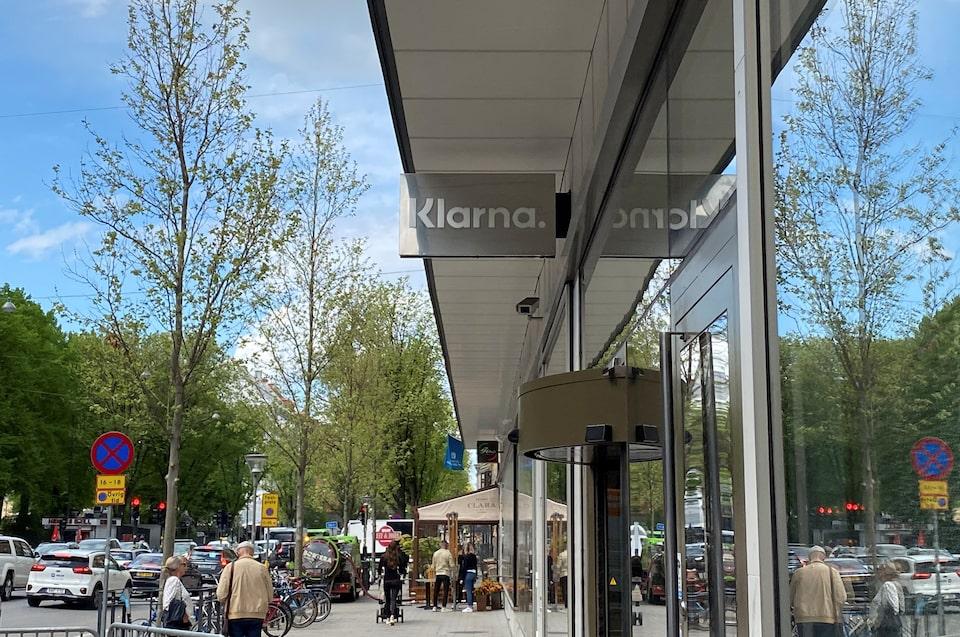
Sept 2 (Reuters) - Sequoia Capital-backed Klarna said on Tuesday it was aiming for a U.S. listing valuing the fintech at up to $14 billion moving closer to its long-awaited market debut, as investor interest in high-growth tech stocks revives after a years-long dry spell. Companies that postponed going public are returning to test investor interest, supported by steadier markets and improving confidence. Sign up here. Several tech listings, including neo-bank Chime (CHYM.O) , opens new tab and stablecoin issuer Circle (CRCL.N) , opens new tab, have attracted solid demand, signaling a cautious revival in activity. The buy now, pay later lender and some of its investors plan to sell 34.3 million shares in the IPO at prices expected to be between $35 and $37, aiming to raise up to $1.27 billion. Klarna drew investor attention as its valuation soared from $5.5 billion to more than $45 billion in just two years, fueled by three funding rounds between mid-2020 and 2021. CEO Sebastian Siemiatkowski had also considered a direct listing - a route that avoids selling new shares as well as the costs of a traditional IPO - in 2021. However, it shelved the plan and instead raised funds at a sharply reduced $6.7 billion valuation. Stockholm, Sweden-based Klarna, which transformed online shopping with its short-term financing model, was founded in 2005 - when e-commerce was in its nascence - and reached unicorn valuation in 2012. BNPL services let shoppers split purchases into smaller, interest-free instalments over weeks or months, instead of paying upfront. The payments sector has also so far largely escaped the impact of tariffs, with consumer spending showing resilience across major economies. Fintechs such as Klarna are gaining market share from traditional banks by offering faster, more flexible payment options and digital-first services that appeal to younger consumers, with analysts expecting the growth of BNPL and similar products to accelerate as e-commerce expands worldwide. The company counts Silicon Valley venture capital giant Sequoia among its most prominent and longtime shareholders. BELLWETHER EVENT Analysts have said a successful Klarna IPO could indicate renewed investor confidence in high-growth fintech companies, while a tepid response may signal concerns over lofty valuations and sector regulation. The company, which has been eyeing a New York listing for years, paused its plans in April due to choppy global markets after U.S. President Donald Trump announced sweeping tariffs on major trading partners. Besides Sequoia, one of the fintech's top shareholders is Danish billionaire Anders Holch Povlsen's Heartland A/S, the parent company of fashion brands Only and Vero Moda. Klarna's push into the U.S. highlights the growing demand for these services, especially among younger shoppers seeking flexible payment options. It has also launched banking products and partnered with leading global brands such as fast-fashion retailers Zara and H&M (HMb.ST) , opens new tab, luxury-bag maker Coach and cosmetics giant Sephora. Still, the BNPL model faces risks in a high-inflation environment, with potential credit losses and limited tracking of users' credit profiles raising concerns about profitability and long-term consumer resilience. The company had about 111 million active consumers and roughly 790,000 merchants in 26 countries as of June 30. Klarna has applied to trade on the New York Stock Exchange under the ticker symbol "KLAR". Goldman Sachs, J.P.Morgan and Morgan Stanley are the lead underwriters. https://www.reuters.com/business/finance/swedens-klarna-targets-up-14-billion-valuation-eagerly-awaited-us-ipo-2025-09-02/
2025-09-02 14:02
MOSCOW, Sept 2 (Reuters) - Russia has made substantial progress in fighting inflation, Alexei Zabotkin, deputy governor of the central bank, said on Tuesday, ahead of a rate-setting meeting scheduled for September 12. Last year, the central bank hiked its key rate to 21%, the highest level since the early 2000s, in order to bring down inflation in an economy overheated by state spending related to the conflict in Ukraine. Sign up here. As a result Russia's economic growth has slowed sharply, to an expected 1.2% for 2025 from 4.3% last year, while the rouble has strengthened by over 40% against the U.S. dollar, helping to bring inflation down by making imported goods cheaper. The central bank, accused by some business leaders of stifling the economy by making credit too expensive, began cutting the key rate in June. It is now at 18%, a level still seen by critics as too high to revive growth. Annual consumer price inflation was 8.79% in July, down from 9.40% in June. The central bank expects the inflation rate to fall to its target of 4% in 2026. "Can we speak of a victory over inflation? We can probably speak of substantial progress in reducing inflation compared to the situation at the end of 2024," Zabotkin told a news conference. "But it is still premature to assert that the sustainable pace of price growth and persistent inflationary pressure have already fallen to the target of 4% on a seasonally adjusted annualised basis," he added. Zabotkin said that the central bank is exercising caution in its assessments of inflation reduction to ensure they are not overly premature or overly optimistic. https://www.reuters.com/markets/europe/russia-has-made-substantial-progress-fighting-inflation-central-bank-official-2025-09-02/

2025-09-02 14:01
Brazil's economy up 0.4% in April-June period on quarterly basis Services rose 0.6%, supported by strong labor market Household consumption slowed but still grew BRASILIA, Sept 2 (Reuters) - Brazil's economy lost momentum in the second quarter but still outperformed market expectations, driven by resilient services activity and gains in the extractive industry, official data showed on Tuesday. Gross domestic product in Latin America's largest economy grew 0.4% in the April-to-June period from the previous quarter, statistics agency IBGE said, above the 0.3% expansion expected by economists in a Reuters poll. Sign up here. That reading marked a steep slowdown from the revised 1.3% growth reported for the first quarter, when seasonal farm output boosted performance in the agricultural powerhouse. Gustavo Rostelato, an economist at Armor Capital, said that despite a slight upside surprise, the GDP data provided few new elements, showing a gradual slowdown in household consumption. On a year-over-year basis, GDP expanded 2.2%, in line with expectations in the Reuters poll. Liam Peach, a senior emerging markets economist at Capital Economics, said weaker Brazilian growth supports an improving inflation outlook that is likely to continue in the coming quarters, creating room for the central bank to begin cutting interest rates around the end of this year. "Overall, we expect GDP growth of around 0.3% q/q in the coming quarters, with full-year growth for 2025 at 2.3%, and below 2.0% next year," he noted. Brazil's central bank has lifted its benchmark interest rate by 450 basis points since September to 15%, near a two-decade high, and held that rate steady in July. Policymakers signaled plans to maintain this stance for a "very prolonged" period to curb inflation as the domestic economy shows signs of moderating growth amid mixed data across sectors and indicators. Following the release of the data, the Finance Ministry flagged a slight downward bias to its 2.5% growth forecast for this year, after the 3.4% expansion recorded in 2024, citing a sharper-than-expected second-quarter deceleration and the lagged effects of monetary tightening. Household consumption rose 0.5% in the second quarter from the previous quarter, supported by measures from President Luiz Inacio Lula da Silva's government to sustain wage gains, though growth slowed sharply from a 1.0% increase in the previous quarter. Investments as measured by gross fixed capital formation fell 2.2% in the second quarter after driving growth in the first quarter, pressured by high borrowing costs. Government consumption declined 0.6%. On the supply side, services, which account for about 70% of Brazil's GDP, expanded 0.6% from the prior three months, underpinned by a robust labor market. Industrial production rose 0.5%, helped by a 5.4% increase in extractive industries, and farming output slipped 0.1%. https://www.reuters.com/world/americas/brazils-economy-slows-sharply-second-quarter-still-beats-forecasts-2025-09-02/