2025-12-05 05:42
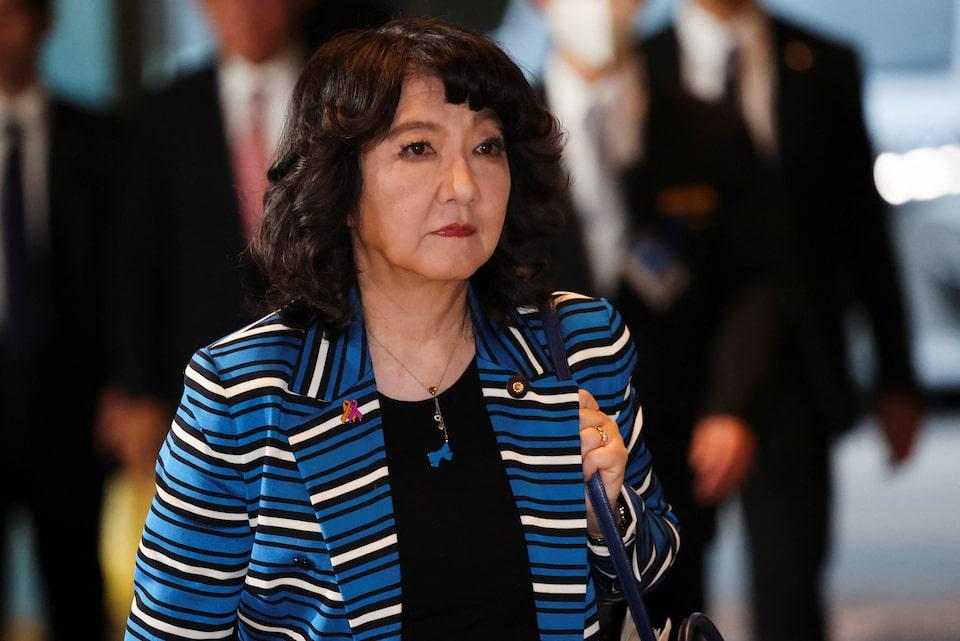
NEW DELHI, Dec 5 (Reuters) - State refiners Indian Oil Corp and Bharat Petroleum Corp have placed January orders for the loading of Russian oil from non-sanctioned suppliers due to widening discounts, trade sources with knowledge of the matter said. BPCL has bought four cargoes, two each of Russian Urals and CPC, they said, adding that Urals have been sold at a discount of $6-$7 per barrel to the dated Brent. Sign up here. India's top refiner, IOC, has also bought some cargoes of Russian oil for January loading, they said. IOC has been consistently buying sanctions-compliant Russian oil cargoes after Washington imposed sanctions on top Russian oil producers Rosneft and Lukoil in October. However, BPCL skipped the purchases of December-loading of Russian oil. The majority of the oil supplied through the Caspian Pipeline Consortium (CPC) system is from Kazakhstan. Russia also sells some oil through CPC. BPCL and IOC did not immediately respond to a request for comment. Other state refiners, Mangalore Refinery and Petrochemicals Ltd (MRPL.NS) , opens new tab, Hindustan Petroleum Corp (HPCL.NS) , opens new tab and private company HPCL-Mittal Energy Ltd, have stopped buying Russian oil. Nayara Energy, partly owned by Rosneft, is exclusively processing Russian oil after other suppliers pulled back following British and EU sanctions. Reliance Industries Ltd (RELI.NS) , opens new tab, operator of the world's biggest refining complex, has said it will process any parcel arriving after November 20 under its deal with Roneft at its Indian market-focussed refinery. https://www.reuters.com/business/energy/indias-bpcl-buys-russian-urals-cpc-non-sanctioned-entities-sources-say-2025-12-05/

2025-12-05 05:33
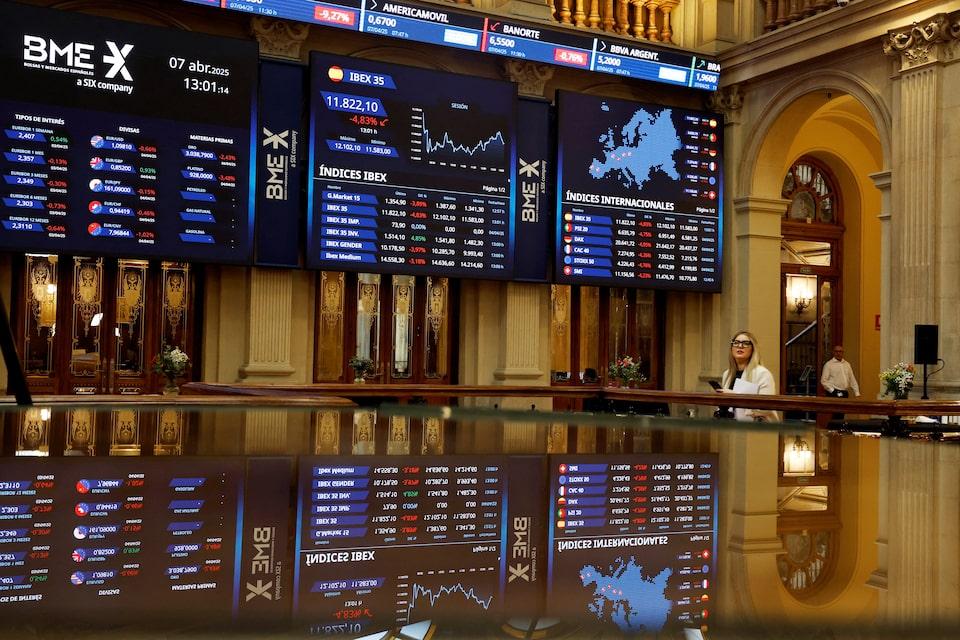
A look at the day ahead in European and global markets from Kevin Buckland Bets for a U.S. Federal Reserve rate cut next week sit unequivocally at the centre of the market's focus right now, as does the murkiness of the economic data Fed officials depend on to make their policy decisions. Sign up here. With questions over the health of the labour market front of mind at the Fed, the most important data point - monthly payrolls figures - will come in the middle of December instead of today, after the previous month's numbers were never released at all. That's, of course, the result of the record-long government shutdown. But at least the Fed will get key data pertaining to the other side of its employment-nurturing, inflation-taming mandate today with the delayed release of the PCE deflator, among the Fed's favoured price statistics, although the data is for September. Bets on a quarter-point reduction by the rate-setting FOMC on Wednesday have climbed to 87%, according to the CME Group's FedWatch tool, firming over the past week after the private ADP jobs report showed a surprise decline in payrolls for November. Although weekly jobless claims fell to a three-year low in data on Thursday, economists say the numbers were likely skewed by the Thanksgiving holiday. As a result, the dollar index is languishing near a five-week low, and stock markets globally are getting a tailwind. Beyond the near-sure-thing of a Fed cut this month, markets are hungry for clues about possible reductions next year, and that will be a key focus for Chair Jerome Powell's post-meeting press conference. But it's not the only lead on the longer-term rates outlook, after President Donald Trump earlier this week presented White House economic adviser Kevin Hassett as a potential Fed Chair when Powell's term ends in May. An FT report said bond investors expressed concerns to the Treasury over the possibility of Hassett as head of the central bank, predicting he would aggressively cut rates to align with Trump's preference for significantly easier policy settings. Fed officials are in a blackout period ahead of the meeting, but markets - as always - need to be on alert for social media posts by Trump. In Europe today, ECB chief economist Philip Lane chairs a session at a conference on fiscal policy. The most significant data point in the region is UK home prices for November. Key developments that could influence markets on Friday: -UK Halifax house prices for November -ECB's Lane chairs session at ECB-IMF conference in Frankfurt -U.S. PCE deflator for September https://www.reuters.com/world/china/global-markets-view-europe-2025-12-05/
2025-12-05 05:00
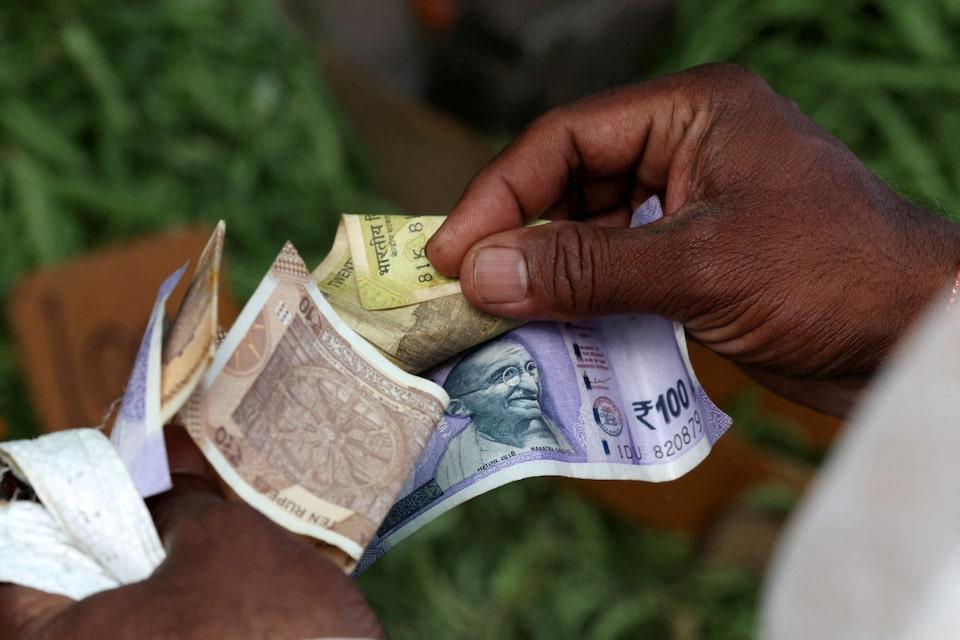
MUMBAI, Dec 5 (Reuters) - The Indian rupee gave up early gains on Friday after the central bank cut the interest rate by 25 basis points, in line with a consensus view that had albeit softened due to a stronger-than-expected economic growth and the currency's recent slide. The rupee fell to 89.92 after the policy decision was announced, down from 89.78 before the announcement. The rupee has declined 5% over the year so far and is Asia's worst-performing currency. Sign up here. Weakness in trade and capital flows has bogged down the rupee this year, with the drag compounded by steep U.S. trade tariffs, pushing the currency below the 90 per dollar mark. A majority of economists in a Reuters poll conducted ahead of last week's gross domestic product data had expected the repo rate to be lowered by a quarter point at the policy meeting, followed by a pause through 2026. However, some analysts and market participants had pared rate cut bets after data showed the South Asian economy expanded at a sharper-than-expected clip of 8.2% in the July-September quarter. The Reserve Bank of India also took steps to boost liquidity in country's banking sector to support what the central bank chief Sanjay Malhotra defined as a "goldilocks economy". https://www.reuters.com/world/india/indian-rupee-retreats-after-central-bank-cuts-rates-2025-12-05/

2025-12-05 03:59
MUMBAI, Dec 5 (Reuters) - The rupee closed little changed on Friday after the Reserve Bank of India cut policy rates, logging a quiet close to a week which saw the currency fall below 90 per dollar for the first time on worries about dwindling dollar inflows into the economy. The rupee closed at 89.98 against the U.S. dollar, little changed from its close in the previous session. Over the week, the currency depreciated by nearly 0.6%. Sign up here. A wider trade gap and anaemic investment flows alongside concerns over stalled trade talks with the U.S. have sapped dollar inflows into the world's fifth-largest economy and made the rupee Asia's worst-performing currency. Analysts reckon a turnaround is likely in case New Delhi reaches a trade agreement with Washington. Meanwhile, the RBI cut rates by 25 basis points on Friday, and left room open for further easing, which pegged the rupee back from its intraday peak of 88.69 and made it a laggard on an otherwise good day for Asian currencies. "The RBI’s policy announcement, we believe, is likely to have only a transitory impact on the rupee and the trade deal announcement and capital account flows are likely to remain the dominant driver for the currency," said Sakshi Gupta, principal economist at HDFC Bank. The bank reckons the rupee could fall to 92 per dollar if a trade deal isn't reached soon. The RBI is expected to tolerate a weaker currency and only intervene to curb speculative activity, Reuters reported on Thursday. "We do not target any price level or bands. We believe the markets in the long run are very efficient," RBI Governor Sanjay Malhotra said in a post-monetary-policy press conference. Meanwhile, India's benchmark equity indexes, the BSE Sensex (.BSESN) , opens new tab and Nifty 50 (.NSEI) , opens new tab rose about 0.5% each while the yield on the country's 10-year sovereign bond eased to a low of 6.46% before edging up, comforted by RBI's rate cut and liquidity measures. The focus now turns to the U.S. Federal Reserve's policy decision due on December 10. Money markets widely expect the Fed to cut rates by 25 basis points. https://www.reuters.com/world/india/rupee-likely-inch-up-ahead-rbi-decision-after-recovery-tempers-bearish-run-2025-12-05/
2025-12-05 02:58
Takaichi softens tone on BOJ, borrowing Long-end yields hitting record highs Some investors go short on yen, bet against JGBs TOKYO, Dec 5 (Reuters) - As Prime Minister Sanae Takaichi was finalising her $137 billion spending plan last month, which in recent weeks has put Japan into a standoff with investors over the outlook for government finances, a bond chart was brought to her attention. Finance Minister Satsuki Katayama pulled up the chart on her tablet at a November 17 meeting in Takaichi's official residence. It showed selling, which drives up long-term borrowing rates. Sign up here. The prime minister's expression turned serious, according to a person familiar with the encounter. "The finance minister was becoming more vigilant," the person said. "The prime minister also seemed quite concerned about the weak yen and bond-price declines." The person asked not to be identified because they were not authorised to speak with the media. But the concern they described was well-placed, because Takaichi is facing a challenge from the markets that she needs to fund her agenda. At stake was not only her massive stimulus package, which will be paid for largely through borrowing, but the direction of the ailing yen - in real terms near record lows - and longer-term investor faith in Japanese assets. Takaichi's meeting with Katayama and other top officials marked the beginning of a shift in rhetoric aimed at soothing investor concerns, though it is too early to say whether it can steady the market in a durable way and keep bond vigilantes out of Japan. Japan's benchmark 10-year yield rose to its highest point since 2007 on Friday and has climbed 25.5 basis points in four weeks, the sharpest rise in nearly three years and one that has begun to send ripples through global markets. The situation is all the more delicate because of Japan's heavy debt - its debt-to-GDP ratio is by far the highest of any developed country - and how its bond market is in transition as buying from both the central bank and insurers dries up. Addressing the risks, Takaichi told Parliament last week that there was no possibility of a "Truss shock," downplaying parallels with the 2022 selloff in gilts and the pound that sank British Prime Minister Liz Truss' plan for unfunded tax cuts. She has also softened her previous resistance to monetary policy tightening and promised to limit extra borrowing. In addition, she has unveiled other initiatives including what some analysts have called the Japanese version of DOGE to cut wasteful government spending. On Friday, Katayama said the government was monitoring markets and would ensure the sustainability of Japan's public finances and maintain investor confidence. Takaichi's office did not respond to a Reuters request for comment on her November 17 meeting. "Takaichi's plan is to expand the growth potential of Japan ... but if that growth doesn't materialise, then the only thing remaining is the huge amount of government debt," said Toshinobu Chiba, a Tokyo-based fund manager at Simplex Asset Management. "And that's the problem." WHO'S GOING TO BUY THESE BONDS? Takaichi, who came to power after her predecessor quit, has a reputation as a disciple of Shinzo Abe's "Abenomics," the massive monetary and fiscal stimulus programme aimed at rescuing Japan from stagflation that kicked off more than a decade ago. What surprised investors was how little of that was jettisoned when she took office, despite inflation running at 3% and the national debt exceeding 1.3 quadrillion yen ($8.5 trillion). Takaichi appointed a dovish coterie of economic advisors and told Parliament last month she would water down Japan's fiscal target to allow for multi-year spending on key growth areas. And when an early draft of the stimulus plan was crafted by the finance ministry, she quickly turned it down because it was too modest in size, according to the Nikkei newspaper. "What you have is, I would say, a very loose policy mix overall and basically a monetary boom," said Ian Samson, a multi-asset portfolio manager at Fidelity International. "I'm personally short yen because I think that's the path of least resistance." Extra bond sales will also test an already fragile market, where demand - especially for long-dated paper - has traditionally been uneven from foreign investors and has been drying up for years from domestic banks and insurers. After accounting for redemptions and decreased purchases by the Bank of Japan, net supply in the market will jump by nearly 11 trillion yen in 2026 from 58 trillion in 2025, according to Bank of America estimates. "The problem is ... who's going to buy these bonds?" said Sally Greig, head of global bonds at Scottish long-only manager Baillie Gifford. "We've still got more supply to absorb and Japan's not the only one spending money." SHORT YEN Some dealers said there had even been a small increase in short interest in bonds, particularly over the past week, though positions were small. "The dynamics in the JGB market are more indicative of a lack of buying interest, rather than outright selling," said Daiki Hayashi, head of Japan market sales and marketing at J.P. Morgan in Tokyo. Bets against the yen, however, may start to pick up, despite Takaichi's preference for a stronger currency and a recent escalation of intervention warnings, traders say. "There would definitely be interest to look at shorting the yen if we can move to between 153 and 154 (per dollar)," said Patrick Law, head of APAC fixed-income, currencies and commodities trading at Bank of America in Hong Kong. The yen traded at 155 per dollar on Friday and has slid some 5% versus the dollar since Takaichi was appointed as leader of Japan's ruling party in early October. To be sure, positioning in the market is not clear because data has been delayed by the U.S. government shutdown, and there remain a number of forecasts for a stronger yen. Morgan Stanley, for example, expects the yen to hit 140 per dollar in the first half of 2026 and chief Asia and emerging-market equity strategist Jonathan Garner said yields were rising as part of a healthy reflation of the economy. And that still makes for a difficult moment to step into the bond market. "Investors, including pensions and banks, still have a big capacity to buy more JGBs," said J.P. Morgan's Hayashi, particularly around the details of the government's bond-issuance plan. "What they need is greater transparency." "Until this is clarified, I think it will likely remain difficult for investors to buy JGBs aggressively." https://www.reuters.com/world/asia-pacific/japan-prime-minister-takaichi-tries-avoid-truss-shock-2025-12-05/
2025-12-05 01:32
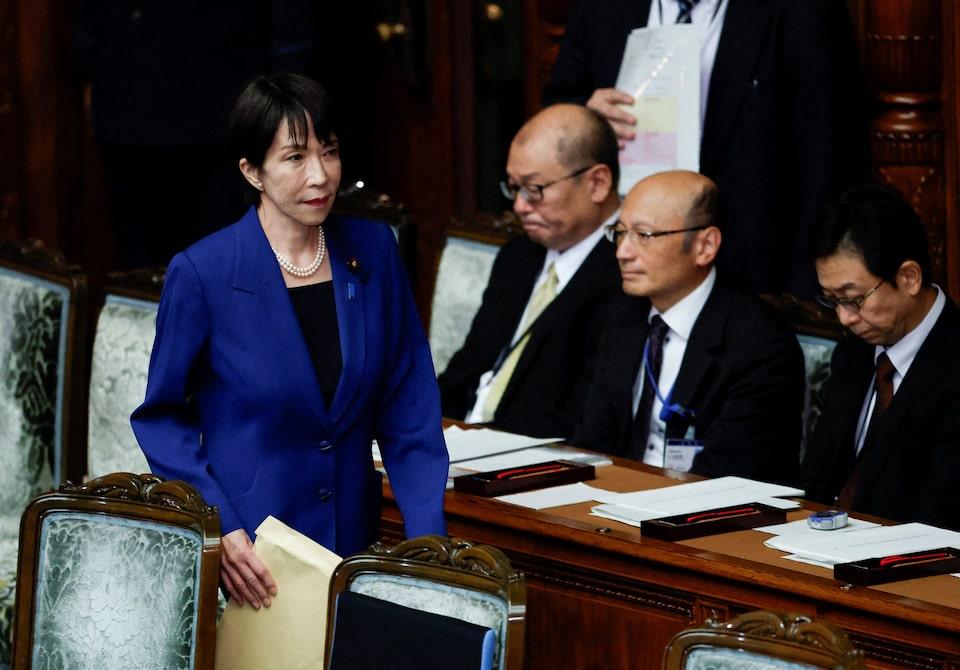
TOKYO, Dec 5 (Reuters) - Japanese Finance Minister Satsuki Katayama said on Friday that communications with Bank of Japan Governor Kazuo Ueda have been positive in many ways since she took the post in October. "Since taking on this role in October, I believe communications between Governor Ueda and myself have been very good in many respects," Katayama said in a regular press conference, when asked about the central bank's monetary policy. Sign up here. "As for the specifics of monetary policy operations, those are entrusted to the Bank of Japan," she added. The BOJ is likely to raise interest rates this month with the government expected to tolerate such a decision, Reuters reported on Thursday. Following a recent sell-off in long-dated government bonds, Katayama said the government will continue to closely monitor market developments, ensure the sustainability of Japan's state finances and maintain market confidence through close dialogue with market participants. The benchmark 10-year yield rose to 1.94% on Friday, its highest level since July 2007, reflecting market concerns about Prime Minister Sanae Takaichi's massive economic stimulus to be funded largely by new borrowing. Katayama stressed that the supplementary budget to fund stimulus was compiled with fiscal sustainability in mind, and the government "is naturally considering sustainability in the formulation of the initial budget for fiscal 2026 as well." https://www.reuters.com/world/asia-pacific/japan-finance-minister-says-dialogue-with-boj-governor-has-been-positive-2025-12-05/